A wearable patch that delivers focused ultrasound to the brain may influence when people enter rapid eye movement (REM) sleep. In a study led by researchers at the University of Texas at Austin, participants reached REM sleep about 43 minutes earlier when the device was active.
Monitoring and stimulating sleep
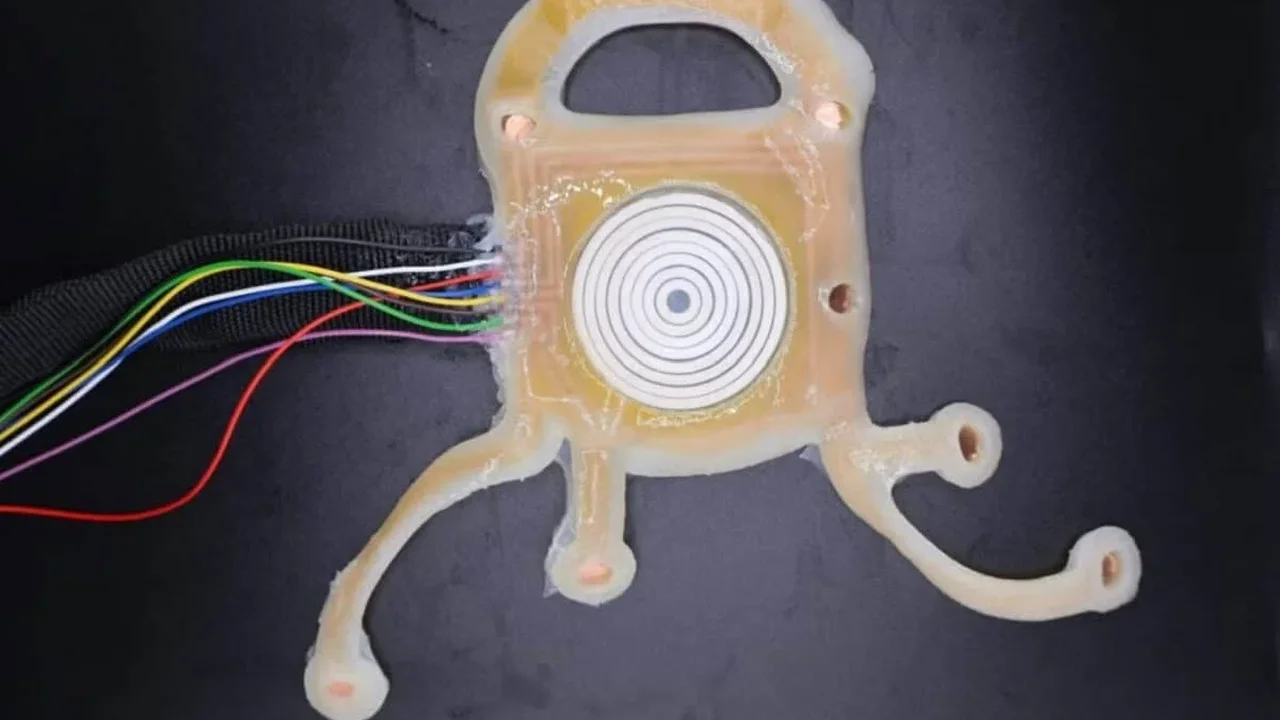
Called NEUSLeeP, the patch sits near the temple. It sends focused ultrasound toward the subthalamic nucleus, a brain region involved in sleep regulation, while built-in sensors record signals linked to sleep stages.
The study included 28 volunteers aged 19 to 38. Participants spent two nights in a sleep laboratory: the patch monitored sleep without stimulation on the first night, then delivered ultrasound in short sessions on the second. Data from 26 volunteers were included in the main sleep analysis.
Across those participants, average time to REM fell from about 177 minutes to 134 minutes. Time spent in REM rose from roughly 64 to 80 minutes. The proportion of sleep spent in REM also increased. However, the device did not significantly improve overall sleep efficiency or reduce nighttime awakenings.
Early results, with important limits
The findings are preliminary. The study was small, and every participant received the inactive condition first, so factors such as adapting to the sleep laboratory may have influenced the results. Participants who reported insomnia symptoms had not received a formal diagnosis, and results within that group were mixed.
Published in Nature Communications, the research describes an experimental device, not an available treatment. Larger studies will be needed to establish whether it reliably changes sleep and whether the approach is safe over time.
If future trials confirm these results, wearable systems that both monitor and gently influence brain activity could open new directions for sleep research and care.