Climbing Mount Tai means tackling more than 7,000 stone steps. Now, visitors can rent a wearable robotic exoskeleton to help lighten the climb--an innovation that is expanding to tourist destinations across China.
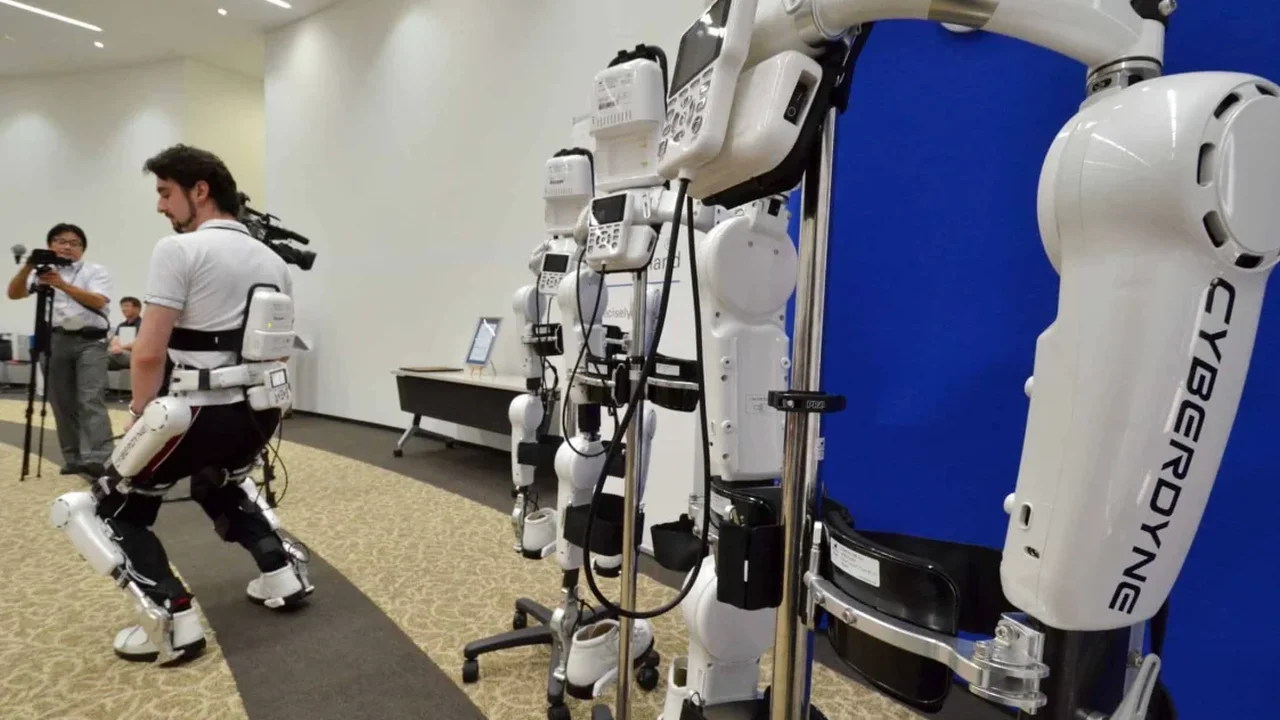
The devices weigh about 1.8 kilograms and strap around the waist and thighs. Using powered assistance, they support each step and can make the ascent feel less strenuous. Rentals cost roughly $11 per climb. Mount Tai's operator reportedly increased its available units from 10 in early 2025 to 500 by May that year.
By September 2026, exoskeleton rental services had reached dozens of attractions, including Mount Hua, Wuyi Mountain and Enshi Grand Canyon. The technology may be especially useful for older visitors and people with limited mobility, while allowing them to experience a trail rather than rely solely on a cable car.
From tourism to everyday mobility
China shipped around 26,000 exoskeleton robots in 2025, according to market research firm IDC, with consumer-assistance models accounting for nearly 19,000. Medical rehabilitation remains the industry's largest source of revenue, but the growing tourism market is bringing wearable support to a wider audience.
Early research offers promising--but preliminary--evidence. A small study published in Nature Communications in July 2026 found that a soft robotic suit lowered the energy older adults used while walking by an average of 13.6%. Another small trial reported modest improvements in uphill walking effort. These studies examined different devices from those rented at Mount Tai, so their findings do not establish the long-term safety or effectiveness of tourist models.
China's National Bureau of Statistics counted 323.4 million residents aged 60 or older at the end of 2025. As demand for accessible mobility grows, exoskeletons could evolve from a mountain-trail novelty into a practical aid--if they prove dependable, affordable and suitable for everyday use.