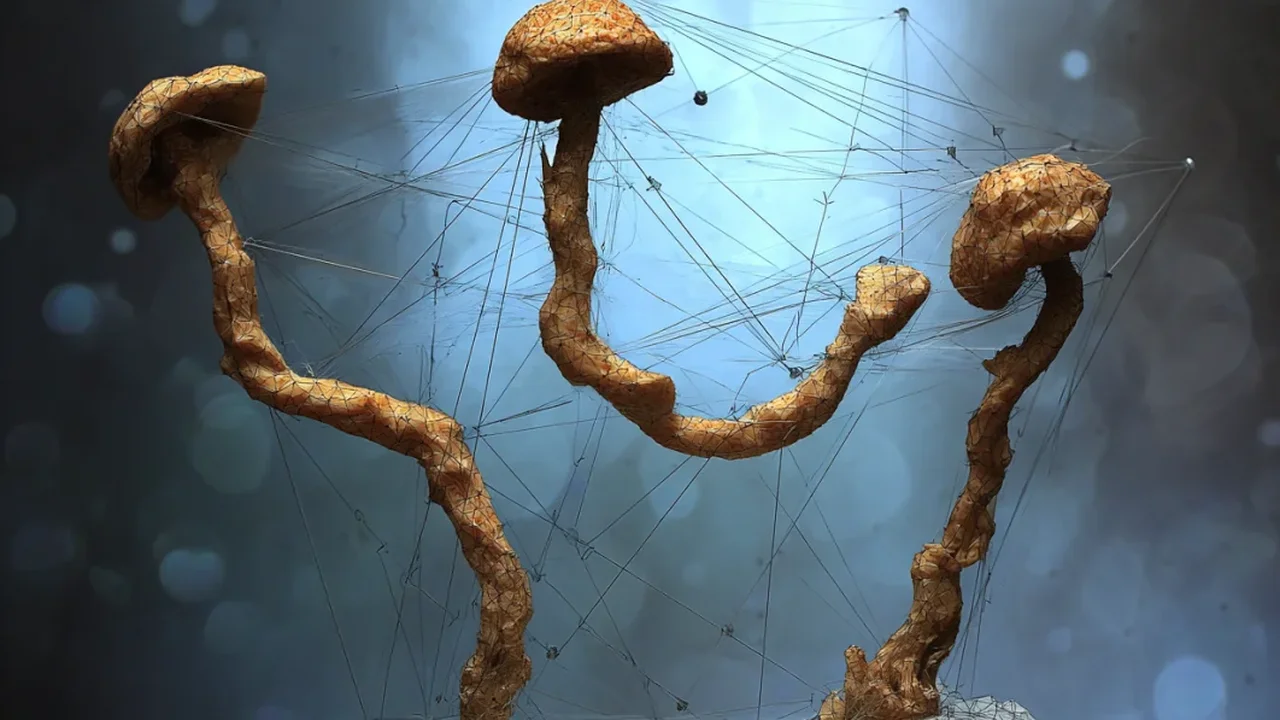
Researchers at The Ohio State University have tested shiitake mushroom tissue as a component for experimental computer memory. The work explores whether fungi could contribute to neuromorphic computing, which takes inspiration from the brain's ability to process and retain information.
Fungal material as a memory component
The team grew shiitake mycelium--the network of fine filaments that forms much of a fungus--then dried and partly rehydrated samples to preserve their electrical properties. Connected to a circuit, the material behaved like a memristor: a component whose electrical resistance changes with its signal history.
Tests reported about 90% accuracy in memory experiments at rates of up to 5,850 cycles per second. In a separate test, the material's behavior matched an ideal memristor by 95% at 10 cycles per second and 1 volt. These are distinct measures, and neither demonstrates performance comparable to commercial computer memory.
The researchers describe the material's "memory" as an electrical response, not evidence that the fungus learns or thinks. The study assessed four samples, and differences between them leave consistency, miniaturization and long-term reliability as open challenges.
Early-stage possibilities
Fungi could offer an alternative material for future bioelectronic devices, especially because mycelium can grow under relatively simple conditions and naturally decompose. However, the experiment did not establish that the devices are ready for practical computing or aerospace use.
Published in PLOS ONE, the research is an early demonstration rather than a replacement for conventional memory. Further work could clarify whether fungal materials can become reliable, lower-impact components in future computing systems.