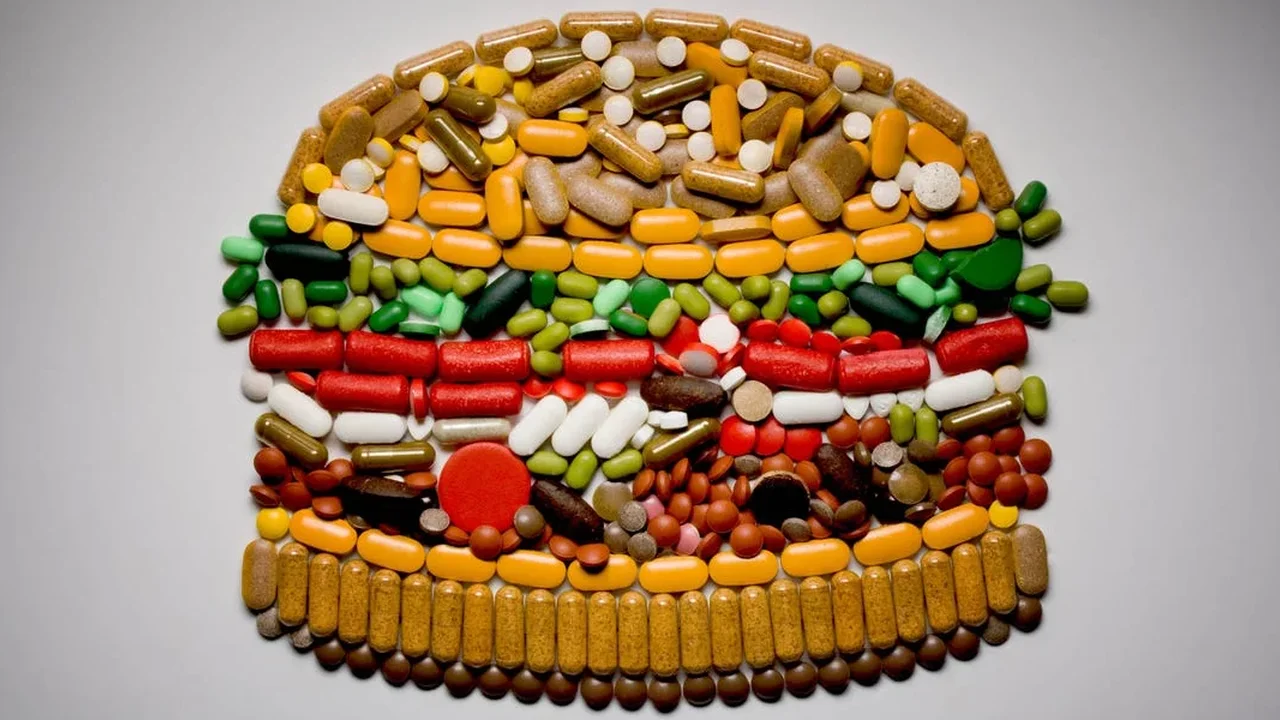
Recent insights from Brittany Dulmage, MD, an oncodermatologist at The Ohio State University Comprehensive Cancer Center, highlight concerns regarding the popular supplement biotin, also known as vitamin B7. Despite its reputation for promoting hair and nail growth, evidence supporting its efficacy in cancer patients is minimal, and it may pose risks by interfering with crucial medical tests.
Biotin plays a role in the production of proteins such as keratin, essential for healthy hair, skin, and nails. However, true biotin deficiency is rare, as this vitamin is abundant in various foods, including fruits, vegetables, meats, eggs, and dairy products.
Dr. Dulmage emphasizes that many individuals mistakenly believe biotin supplements are completely safe. "In reality, these supplements can lead to inaccurate lab results, which may delay or alter treatment plans for patients," she stated.
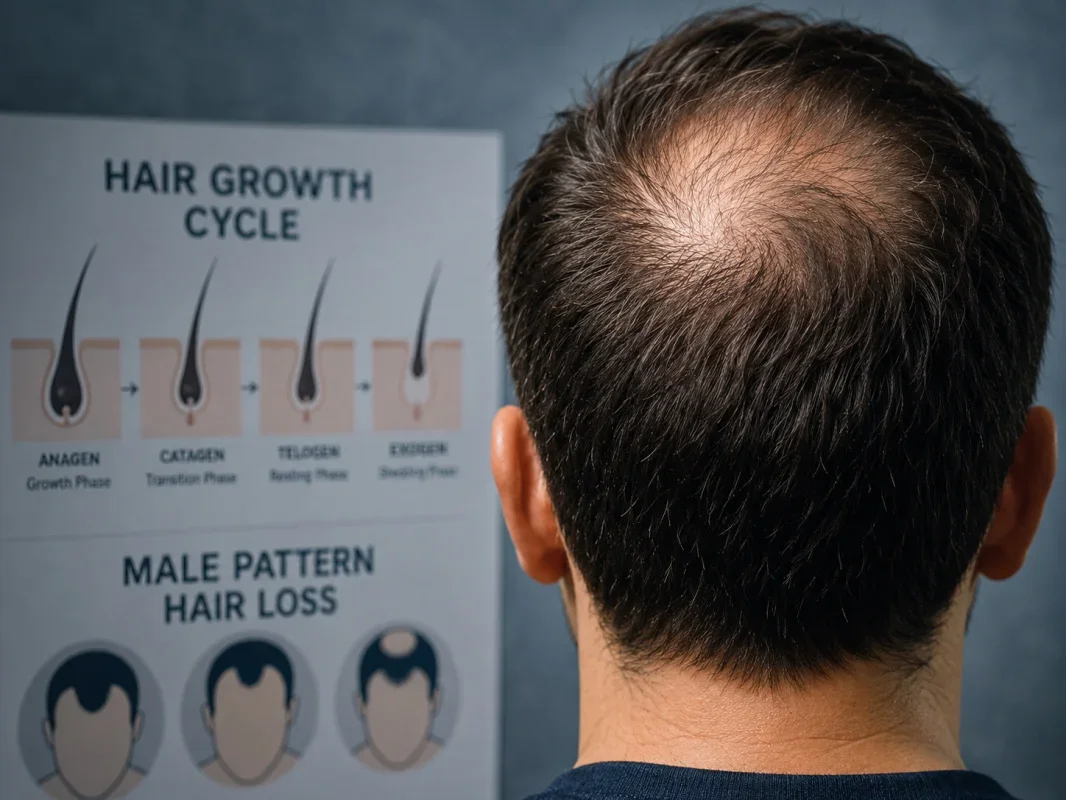
As the associate director of dermatology at The Ohio State University College of Medicine and head of the Oncodermatology Clinic, Dr. Dulmage sees numerous patients experiencing hair loss due to cancer treatments. "Over half of my patients with hair loss issues are taking supplements they initiated independently, often influenced by online sources or recommendations from friends," she noted.
In her recent publication in JCO Oncology Practice, Dr. Dulmage urges oncologists to engage in open discussions about hair loss with their patients and to clarify the potential effects of biotin on lab results.
Biotin's Impact on Cancer Testing
Biotin can disrupt specific blood tests used to monitor various cancers, including prostate, thyroid, ovarian, and breast cancers. These tests often rely on chemical reactions involving biotin, which can lead to misleading results.
"While biotin does not alter hormone levels within the body, it can interfere with the testing process," Dr. Dulmage explained. "For instance, it may falsely suppress prostate-specific antigen (PSA) or thyroid-stimulating hormone (TSH) levels, obscuring cancer recurrence signs in survivors. Conversely, it may elevate reproductive hormone levels, delaying necessary therapies."
A Patient's Journey with Biotin
Anna Malagoli, a breast cancer survivor, shares her experience with biotin. Concerned about hair loss during treatment, she began taking biotin supplements after reading about them online. "The sheer volume of information available can be overwhelming. I was taking a considerable amount of biotin without realizing it could interfere with my treatment," she reflected.
Malagoli only recognized the potential issues during a consultation with Dr. Dulmage, who connected her inconsistent lab results to her supplement use. "My lab results didn't align with how I felt, which raised a red flag," she said.
Dr. Dulmage advises patients to refrain from taking biotin at least 72 hours before blood tests, although unexpected tests may complicate this recommendation. "Biotin can also affect troponin levels, a marker for heart attacks, which is unpredictable," she cautioned.
Alternatives for Managing Hair Loss
For those experiencing hair loss during cancer treatment, Dr. Dulmage recommends minoxidil, an FDA-approved topical treatment available over the counter. It is generally safe for most users, with some exceptions for pregnant or breastfeeding individuals. "If minoxidil doesn't yield results after several months, consult a dermatologist for further options," she advised.
Malagoli found that minoxidil was more effective for her than biotin. "It's crucial to heed your doctor's advice rather than solely relying on self-directed treatments," she concluded.