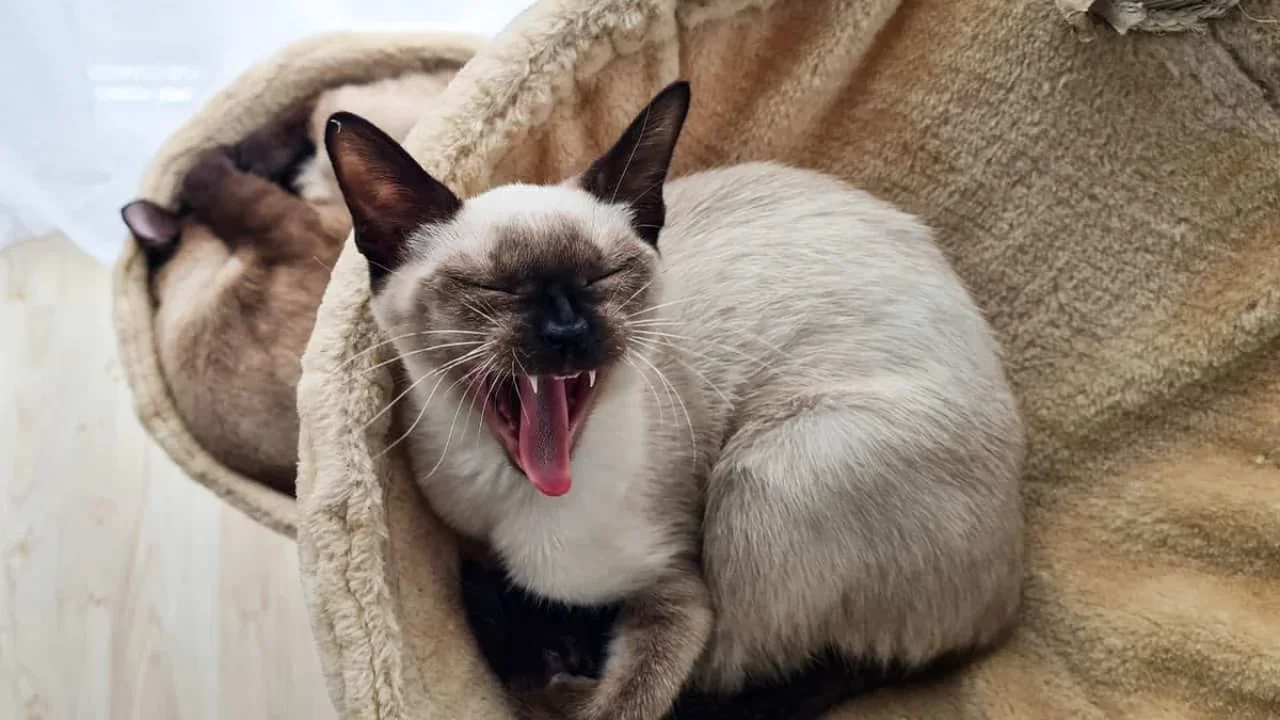
A cross-country study has identified an intriguing connection: nations with more domestic cats per person also tend to report higher levels of life satisfaction. The research examined data from 93 countries, comparing estimated cat populations with happiness indicators, economic measures and public-health patterns.
Prosperity May Be the Bigger Picture
The association between cat density and national happiness was notable, but researchers stress that it does not prove cats directly create happier societies. Economic prosperity showed an even stronger relationship with both happiness and cat ownership.
Countries with higher GDP levels may offer conditions that support both well-being and responsible pet care: stable housing, access to veterinary services, commercial pet food and stronger sanitation systems. In this context, cats may be part of a wider lifestyle pattern shaped by resources, security and human-animal companionship.
A Surprising Toxoplasma Pattern
The analysis also found that countries with more cats generally reported lower estimated exposure to Toxoplasma gondii, a parasite for which felines are the primary host. This result may seem unexpected, yet the researchers note that the number of cats alone does not reveal how they live.
Indoor companion animals receiving regular veterinary care have very different environmental interactions than free-roaming cats. Better sanitation, managed feeding practices and reduced contact with prey may all help limit transmission opportunities in wealthier settings.
The study used national-level data, meaning its findings cannot predict whether an individual cat owner will be happier or healthier. It also did not distinguish between household pets, stray animals and feral populations, while factors such as climate, urban design and health infrastructure may influence the results.
Published in PLOS One, the research brings together well-being, public health, economics and companion-animal culture. It suggests that cats may serve as a small but meaningful indicator of how modern societies create supportive environments for both people and animals.
As cities invest in healthier, more pet-inclusive lifestyles, understanding the relationship between companionship, care systems and well-being could help shape more connected communities.