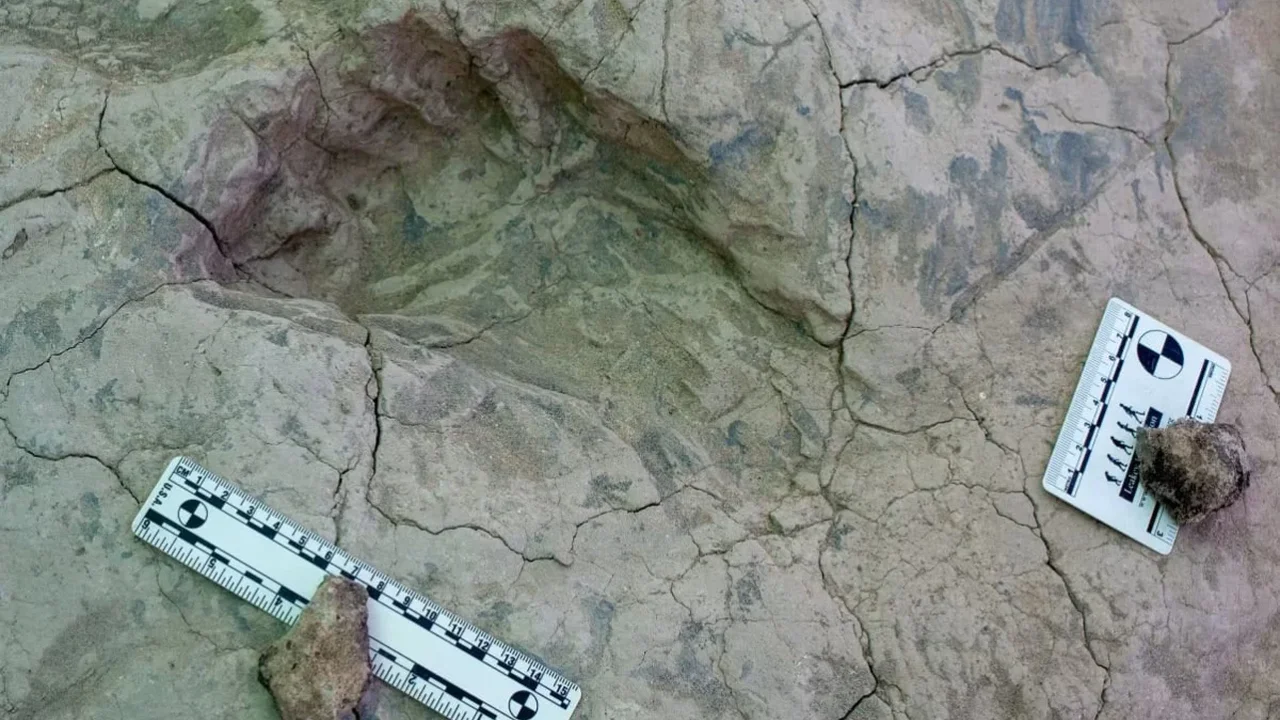
New research from Wonderwerk Cave in South Africa suggests that early human ancestors may have been using fire far earlier than previously estimated, potentially as early as 1.79 million years ago. The findings could push back the earliest secure evidence of fire use by nearly 800,000 years.
A deeper timeline for fire use
The study indicates that early members of the genus Homo, possibly Homo erectus, were not necessarily creating fire from scratch. Instead, they may have learned to gather and transport naturally occurring flames into sheltered spaces after lightning strikes or seasonal wildfires.
Wonderwerk Cave, located in the Kalahari Desert, has long stood out as a rare archive of ancient human activity. Researchers had already identified fire traces there dating to around one million years ago. The new analysis focused on older layers, where burned fossil bones revealed a much earlier pattern of fire presence.
How the evidence was read
The key clues came from charred bones found deep inside the cave, far from the entrance. Their position makes it unlikely that natural fires reached them directly from the outside. The deposits also appear to have remained in place over time, strengthening the case that the burning happened inside the cave environment.
To examine the bones, scientists combined a luminescence-based method with infrared spectroscopy. Both approaches pointed to the same conclusion: the bones from the older layer showed clear signs of heat exposure. The burned remains were also clustered in distinct areas, suggesting repeated fire events rather than a single accidental burn.
Many of the bones likely came from owl pellets, which accumulated on the cave floor. If fire was brought into the cave, those dry pellet layers may have acted as natural tinder, allowing small bones inside them to be scorched.
What this means for early technology
The study does not show evidence of cooking or permanent hearths. Instead, it supports the idea of opportunistic fire use -- an early form of technological awareness that may have helped hominins adapt to changing landscapes and seasonal burning in Africa.
Published in PLOS One, the research adds a new layer to the story of human innovation. It suggests that fire may have entered daily life long before people learned to produce it reliably, opening a wider path toward survival, mobility, and cultural development in the future.