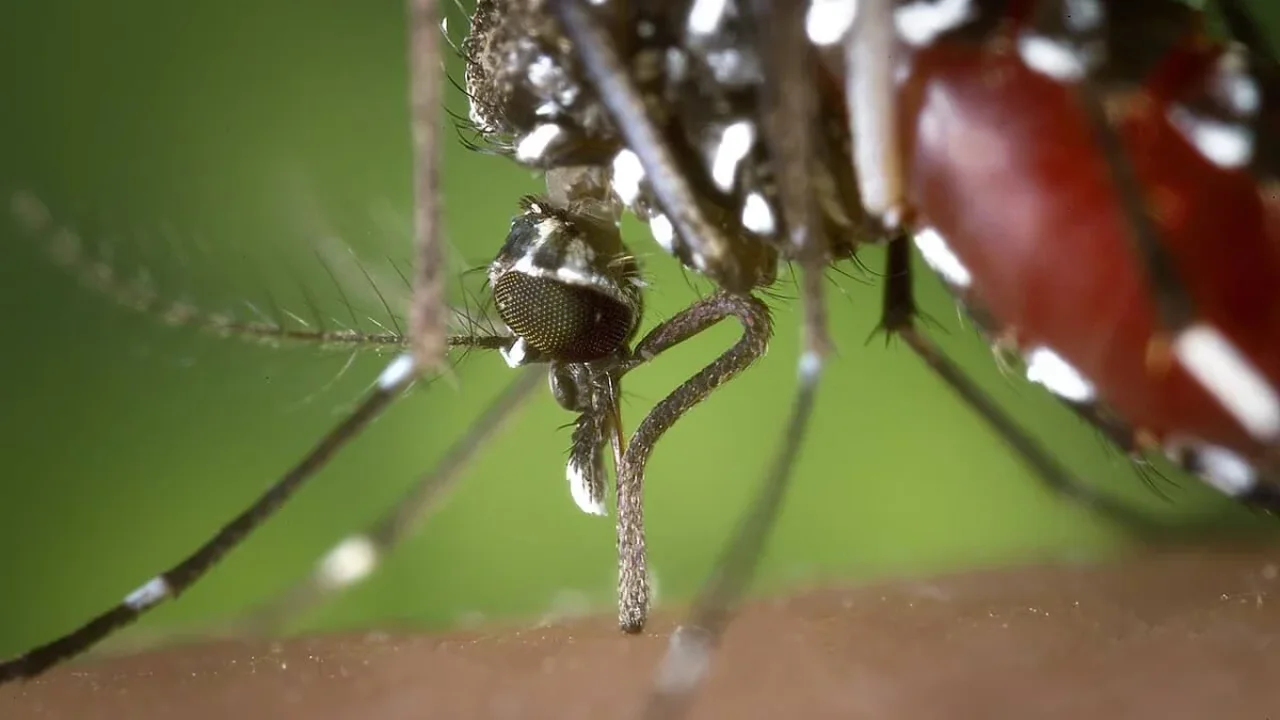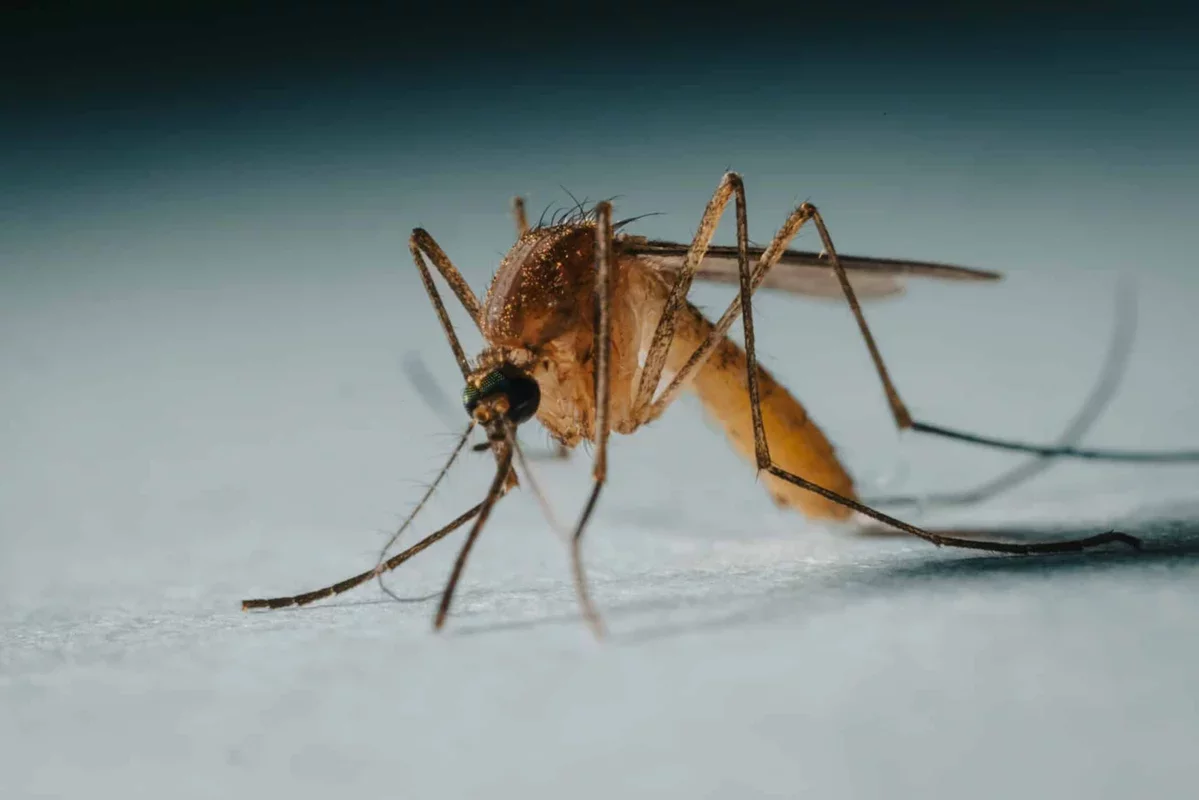
As you relish a pleasant evening outdoors, the annoying buzz of mosquitoes can quickly dampen your mood. This common frustration is not new; in fact, it dates back to our ancestors, Homo erectus, who first encountered these pests around 1.8 million years ago.
A recent genetic study reveals that a specific group of Southeast Asian mosquitoes developed a preference for human blood between 1.6 and 2.9 million years ago. This finding suggests that our early relatives were already battling these insects long before modern malaria-carrying mosquitoes evolved their taste for humans.
Interestingly, not all mosquito species are drawn to humans. Out of approximately 3,500 known species, only a small fraction seeks human blood. This research indicates that as early Homo species ventured into Southeast Asia's tropical forests, they inadvertently attracted a mosquito species that would later become a significant vector for diseases.
From Canopy to Ground
The study focuses on the Anopheles leucosphyrus group, which thrived in the humid rainforests of a prehistoric landmass known as Sundaland. Originally, these mosquitoes fed exclusively on non-human primates, such as monkeys and gibbons, residing high in the forest canopy.
However, climate change during the Pliocene and early Pleistocene epochs transformed the landscape, fragmenting the dense forests into more open environments. This shift allowed new primate species to enter the mosquitoes' territory, paving the way for a dietary change.
Tracing Evolutionary Paths
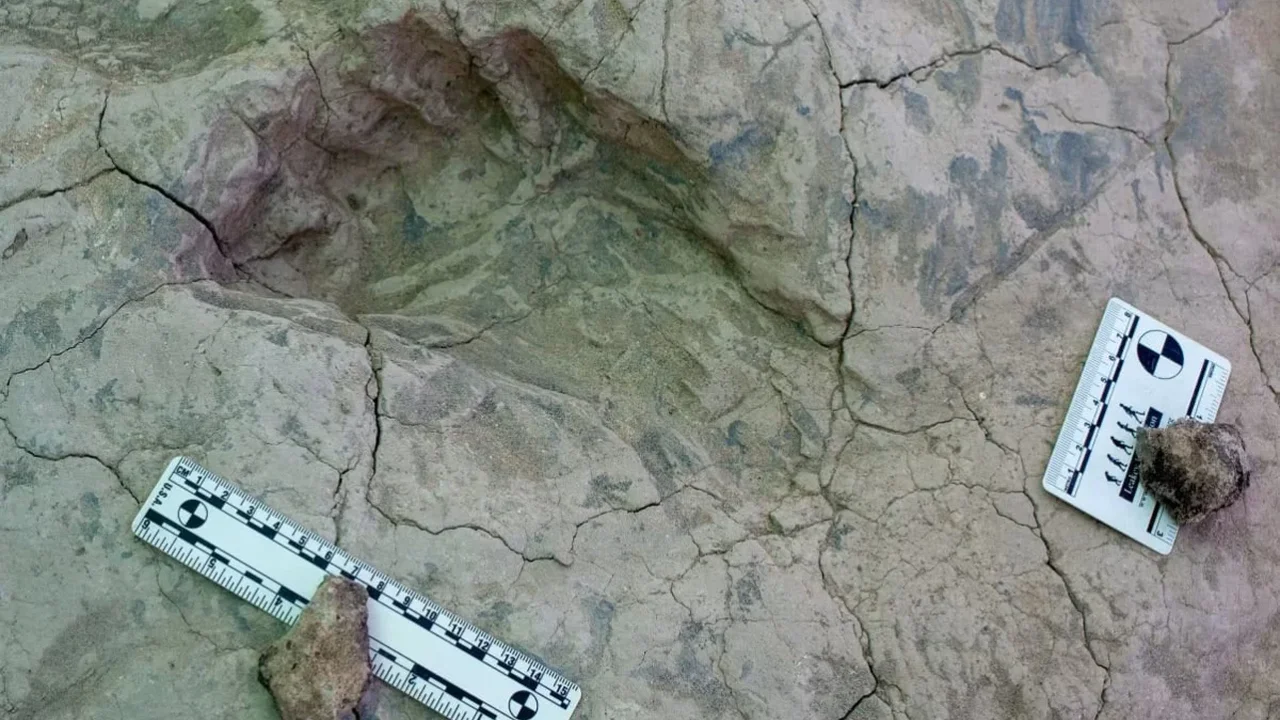
Archaeologists have long debated the timeline of hominin migration from Africa to Asia. Fossils from this era are scarce, but estimates suggest that Homo erectus may have reached regions like Java between 1.3 and 1.8 million years ago. The genetic data from mosquitoes acts as a biological time capsule, revealing their adaptation to human hosts.
Researchers, led by Upasana Shyamsunder Singh and Catherine Walton, sequenced DNA from various mosquito species to reconstruct their evolutionary history. They discovered that the shift in diet to include humans occurred around 1.8 million years ago, coinciding with the arrival of Homo erectus.
The Shift in Diet
Transitioning from primates to humans as a food source requires significant genetic adaptations. Mosquitoes primarily hunt by smell, and adapting to detect human-specific odors necessitated evolutionary changes. As Homo erectus populations settled in the region, they provided a consistent and abundant food supply, which favored mosquitoes that evolved to target them.
Today, species like Anopheles dirus and Anopheles baimaii are highly effective malaria vectors, having evolved to pursue humans relentlessly.
Revising the Evolutionary Timeline
Previously, the timeline for human-mosquito co-evolution was centered in Africa, with significant adaptations occurring only within the last 500,000 to 61,000 years. However, these Southeast Asian mosquitoes adapted to humans over a million years earlier, highlighting the significance of ancient hominin interactions in shaping mosquito evolution.
Only a small number of mosquito species are drawn to humans, yet those that are have profoundly influenced human history. Understanding their evolutionary journey not only sheds light on our past but also aids in developing strategies to combat diseases they transmit.