New research suggests the brain's internal cleanup network may work differently in people with ME/CFS, also known as chronic fatigue syndrome. Scientists at Griffith University in Australia reported lower MRI-based markers linked to the brain's waste-clearance pathway, offering a possible clue to symptoms such as brain fog and unrefreshing sleep.
What the Study Found
The team examined 31 people with ME/CFS and 27 healthy volunteers using a noninvasive MRI technique called DTI-ALPS. Rather than measuring waste directly, the method estimates how fluid moves through tiny spaces around blood vessels in the brain. Participants with ME/CFS showed lower scores than the control group, suggesting reduced glymphatic activity.
The difference was most noticeable on the right side of the brain. Researchers also observed that poorer sleep and weaker concentration tended to align with lower waste-clearance scores, reinforcing the idea that sleep quality may be closely tied to brain health.
Why It Matters
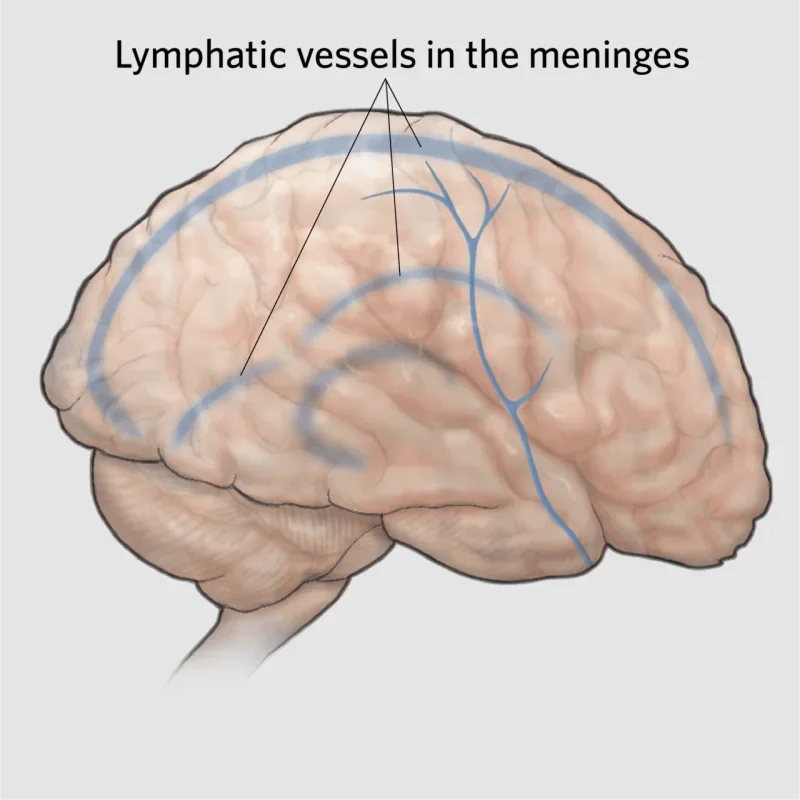
The glymphatic system is the brain's natural drainage route, helping remove metabolic waste. It is thought to become especially active during non-REM sleep. Because ME/CFS has long been difficult to measure objectively, this finding gives scientists a new biological angle to explore.
According to the Griffith team, the result may help explain some of the illness's most persistent symptoms and could support future noninvasive diagnosis. The study also connects with earlier scientific ideas that link ME/CFS to inflammation, fluid regulation, and sleep disruption.
Researchers note that larger studies are still needed before firm conclusions can be drawn. Even so, the work opens a promising path for understanding how the brain's cleanup system may influence energy, focus, and recovery. In the future, this line of research could help shape more precise ways to detect and monitor ME/CFS.