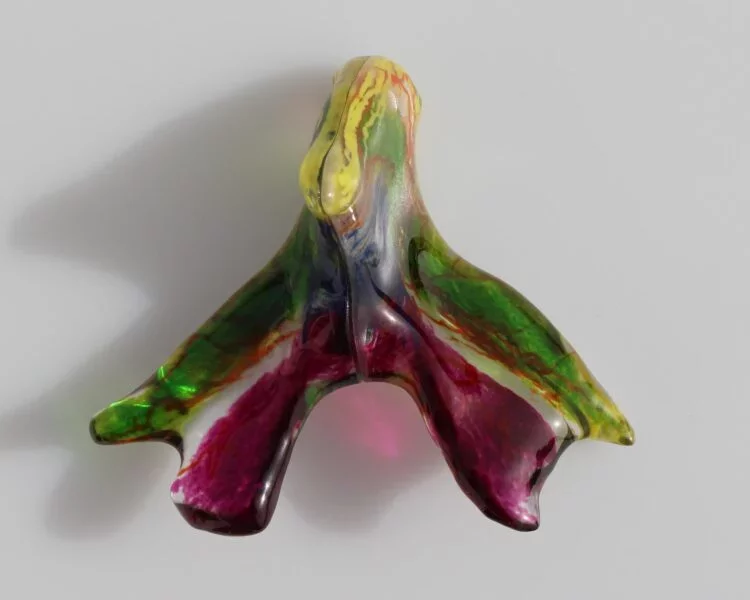
In a groundbreaking advancement for medical science, researchers have successfully created the first-ever 3D map of the clitoral nerve network, utilizing high-powered synchrotron X-rays. This innovative approach allows for a detailed examination of the organ's intricate sensory pathways, revealing a complex structure that far exceeds previous anatomical descriptions.
This significant discovery addresses a long-standing oversight in the medical field, where the mapping of male nerve structures was achieved in the 1990s, while the clitoris remained underexplored. The new 3D visualization serves not only as a correction of historical neglect but also as a crucial tool for surgeons. It enhances the precision required to safeguard sensation during gender-affirming surgeries, labiaplasty, and reconstructive procedures for the over 230 million women affected by female genital mutilation (FGM).
A Long-Overdue Exploration
Despite its centrality to human sexual pleasure, the clitoris has often been overlooked in scientific literature. Helen O'Connell, a pioneering urologist from Melbourne, has highlighted this gap, stating, "It has been deleted intellectually by the medical and scientific community." Traditional methods, including dissections and standard MRI scans, have failed to capture the delicate nerve fibers responsible for sensation, leading to a lack of understanding of the organ's full anatomy.
In this study, Ju Young Lee and her team from Amsterdam University Medical Center utilized synchrotron X-rays to examine two postmortem pelvic specimens. Their detailed imaging revealed a dense, branching nerve structure within the clitoral glans, marking the first time such a comprehensive nerve map has been documented.
Insights into Clitoral Anatomy
The researchers focused on the dorsal nerve, the primary sensory nerve of the clitoris, tracing its path from deeper pelvic structures into the glans. Their findings challenge previous assumptions that suggested the nerve diminishes as it approaches the glans. Instead, it branches extensively, forming a tree-like pattern, which underscores the organ's complexity.
The implications of this research are profound, particularly for surgeries involving the vulva. Understanding the nerve distribution can significantly improve surgical outcomes, especially for those undergoing procedures related to FGM or gender transition. Lee emphasized that a better grasp of the anatomical structure could reduce the percentage of women experiencing decreased sexual satisfaction post-surgery.
A New Era in Women's Health
This study, though still in preprint status and based on a limited sample size, opens the door to further research aimed at enhancing women's health. It highlights the necessity of integrating detailed anatomical knowledge into surgical practices to protect sensory functions.
As we move forward, the mapping of the clitoris not only enriches our understanding of female anatomy but also signifies a shift towards more inclusive and informed medical practices. The future of women's health may very well hinge on these insights, paving the way for more effective and empathetic healthcare solutions.