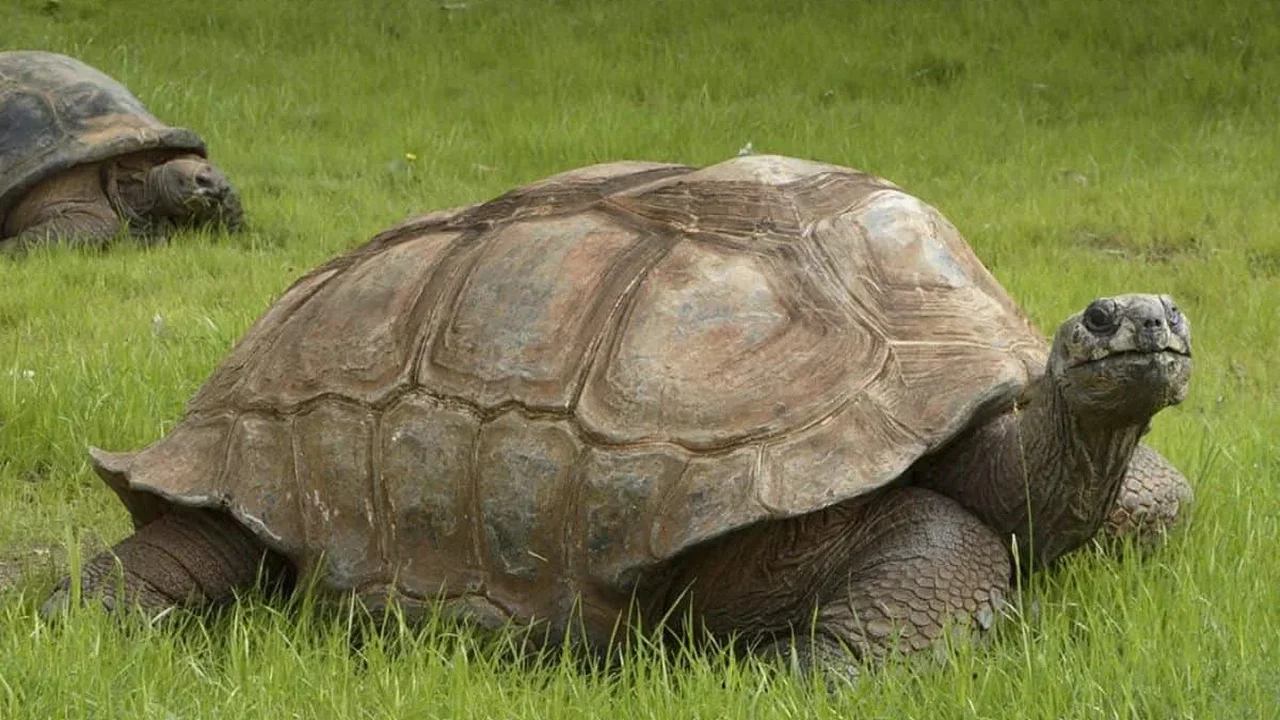
At an estimated 194 years old, Jonathan the Aldabra giant tortoise is the world's oldest known living land animal. His extraordinary lifespan has now given researchers a rare opportunity to explore how some animals maintain key cellular functions over nearly two centuries.
An international team including scientists from the University of Cambridge and Vanderbilt University Medical Center examined Jonathan's genome and epigenome using gentle cheek-swab samples. The work compared his DNA regulation patterns with those of four other Aldabra giant tortoises of different ages.
Order within an aging genome
The analysis found 287 genetic variants unique to Jonathan within the study group. Several were linked to biological processes such as DNA repair, inflammation regulation, insulin signalling and cancer suppression. Researchers stress that these variations have not yet been proven to explain his exceptional lifespan.
The more striking finding came from Jonathan's epigenome: the chemical system that helps control which genes are active. Aging typically brings growing irregularity to DNA methylation patterns, a change measured as methylation entropy.
Although Jonathan showed many expected molecular markers of old age, selected DNA regions retained remarkably low entropy. In some areas, their organization resembled patterns observed in a five-year-old tortoise.
Cellular energy may be a key
These especially stable regions were associated with genes involved in mitochondrial energy production and RNA processing, two systems central to how cells generate power and turn genetic instructions into proteins.
The findings do not present Jonathan as a blueprint for extending human life. The study is based on one exceptionally old animal and a small comparison group. Still, it offers a valuable direction for future research into how long-lived species preserve vital cellular processes while other aspects of aging continue.
Published in Science Advances, the research suggests that healthier aging may depend not on preventing every biological change, but on protecting the systems cells need most. As more long-lived animals are studied, their biology could help shape a more precise understanding of resilience across species.