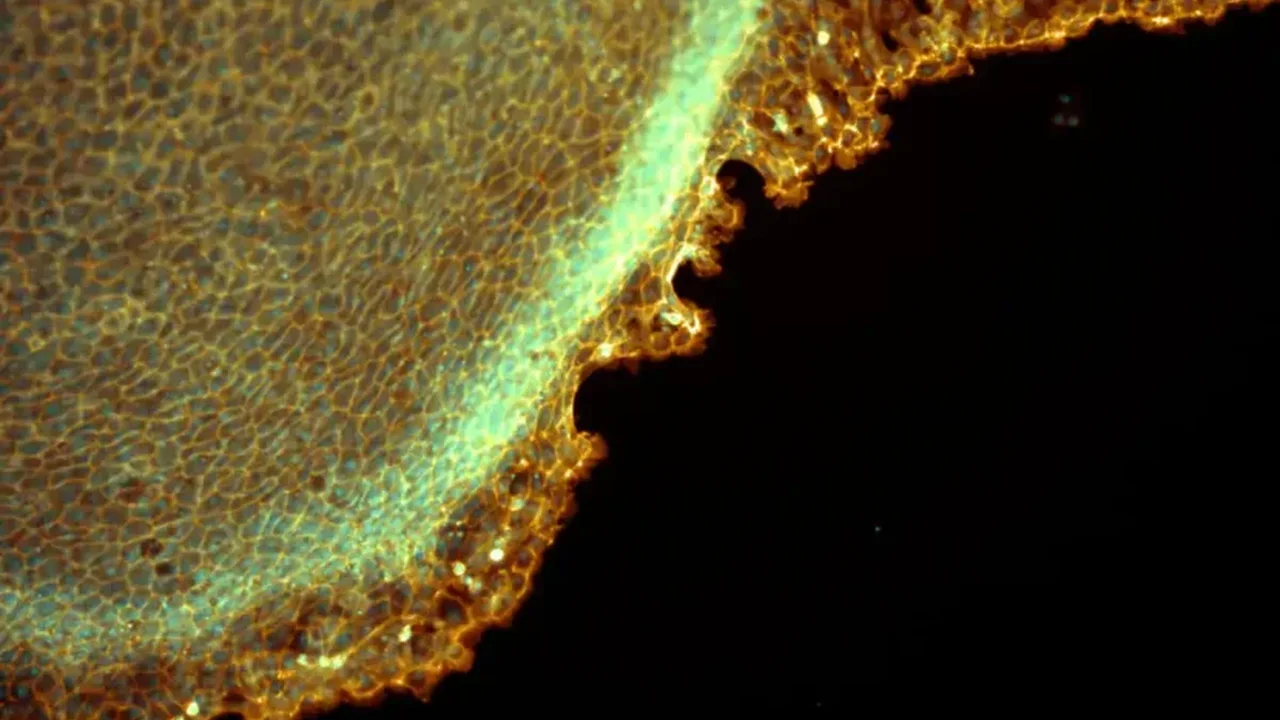
Scientists have observed living Antarctic fish cells at near-freezing temperatures, uncovering how life can remain active in one of Earth's most demanding marine environments.
Researchers from the British Antarctic Survey and the University of Cambridge studied cells from the Antarctic spiny plunderfish, Harpagifer antarcticus. Using a specially adapted microscope, the team examined the cells at temperatures close to the fish's natural habitat, offering an unusually detailed view of cold adaptation at the cellular level.
Energy Systems Built for the Cold
The study found that plunderfish cells contain a greater amount of mitochondrial material than cells from the temperate shanny fish. Mitochondria, often described as cellular energy centres, were frequently long, branched and connected in extensive networks.
This structure may help cells sustain energy production despite the slower chemical reactions associated with extreme cold. Importantly, the movement of mitochondria in Antarctic fish cells remained broadly comparable with that seen in the temperate species, showing that the cells retain a surprising degree of internal activity.
Cellular Maintenance at Low Temperatures
Scientists also identified enlarged acidic structures around the cell nucleus. These compartments help cells process and recycle damaged components, including proteins that may not form their functional shape correctly in cold conditions.
At low temperatures, producing and maintaining proteins becomes more challenging. The newly observed cellular features suggest that Antarctic fish may balance this pressure through a combination of stronger energy systems and enhanced recycling mechanisms.
The research team also established cell cultures from skin, fin, ovarian tissue and embryos. This creates a valuable new platform for exploring how polar species grow, develop and maintain healthy cells in cold oceans.
By revealing how Antarctic fish organise energy production and cellular maintenance, the work expands our understanding of cold adaptation. These insights could guide future research into resilient biological systems, advanced cell culture methods and the broader limits of life in extreme environments.
As scientists continue to explore nature's cold-adapted organisms, Antarctic fish cells may become an important model for designing more resilient technologies and understanding how living systems function under environmental extremes.