The 2026 Nobel Prize in Physiology or Medicine has recognized the scientific advances behind optogenetics, a method that enables researchers to regulate selected brain cells with light. The approach has reshaped neuroscience by offering millisecond-level precision in studying how neurons communicate and influence behavior.
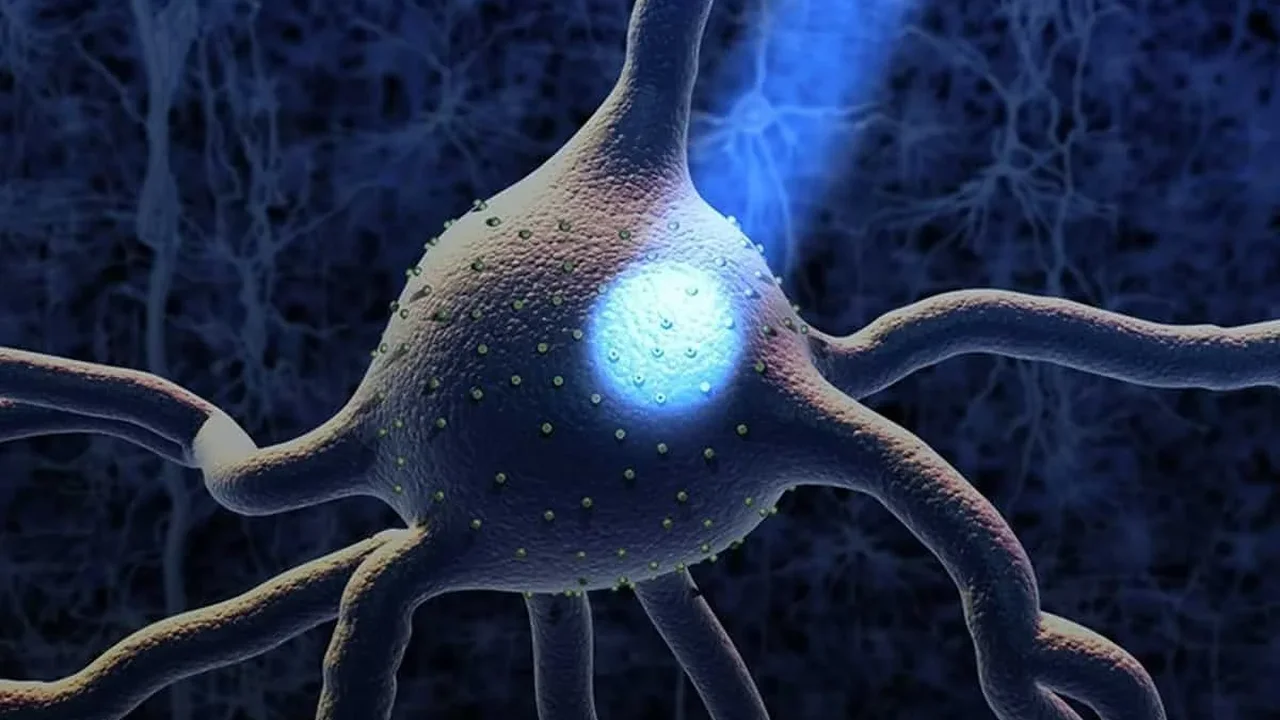
Optogenetics works by introducing genes that produce light-sensitive proteins into targeted neurons. When researchers apply carefully selected wavelengths of light, these cells can be activated or silenced without affecting surrounding neural networks. This level of specificity allows scientists to observe cause and effect inside the brain with unprecedented clarity.
From mapping the brain to guiding its activity
The achievement builds on generations of neuroscience tools. Early microscopy and cell-staining methods revealed the structure of neurons, while electrical recordings made it possible to measure their signals. Modern imaging, advanced probes and computational analysis now help researchers map complex brain circuits in remarkable detail.
Optogenetics adds a crucial new capability: controlled intervention. Instead of only observing neural activity, scientists can test the role of individual cell types and circuits in processes such as perception, movement, memory and decision-making.
Potential for more tailored therapies
Researchers are exploring how light-based neural control could support future treatments for conditions involving disrupted brain activity. Areas under study include vision restoration, epilepsy, Parkinson's disease, chronic pain and certain psychiatric disorders. The technology remains highly specialized, but its ability to target precise neural pathways may guide the development of more personalized therapeutic strategies.
Related approaches, including chemically activated designer receptors, are also expanding the toolkit for influencing selected neuron populations. Together, these technologies are helping neuroscience move toward treatments designed around the unique circuitry involved in each condition.
The Nobel recognition highlights how biology, genetics and engineering can converge to make the brain more understandable. In the years ahead, precision neuroscience may help transform brain research from broad intervention toward finely tuned, individualized care.