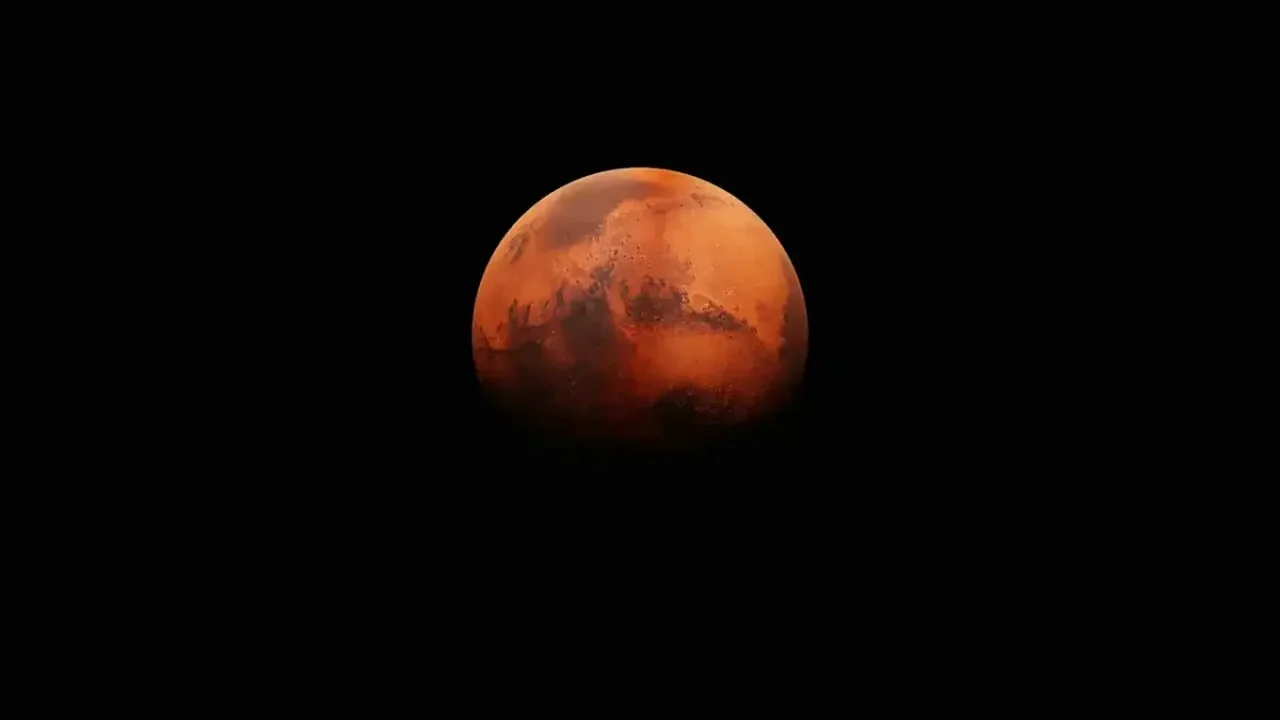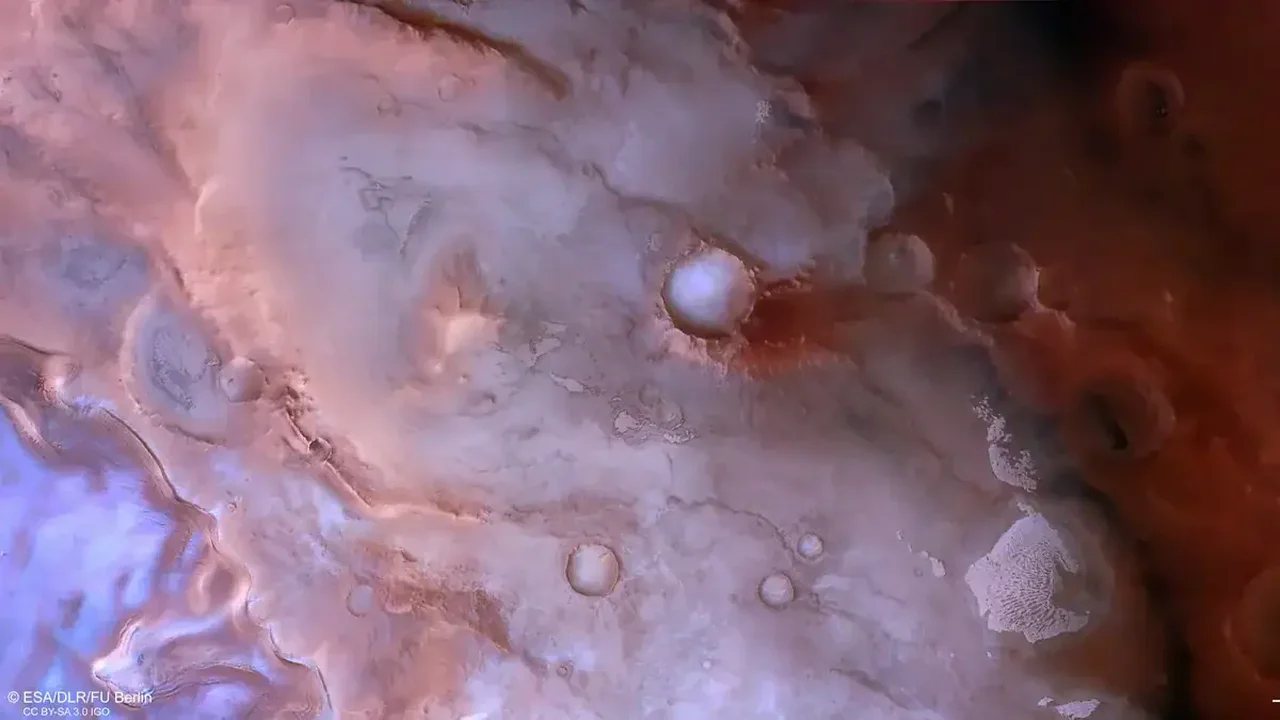
NASA's Psyche spacecraft transformed a routine Mars flyby into a vivid scientific sequence, capturing the Red Planet as it shifted from a thin crescent to a nearly full disk. The images reveal Mars in remarkable detail, from dusty plains and volcanic terrain to the bright southern ice cap and the vast sweep of Valles Marineris.
A flyby with a dual purpose
The spacecraft passed within 4,609 kilometers of Mars on May 15, using the planet's gravity to gain speed and adjust its trajectory on the way to its main destination: the asteroid Psyche in the main belt between Mars and Jupiter. NASA later combined the observations into a time-lapse that gives the impression of gliding over the planet.
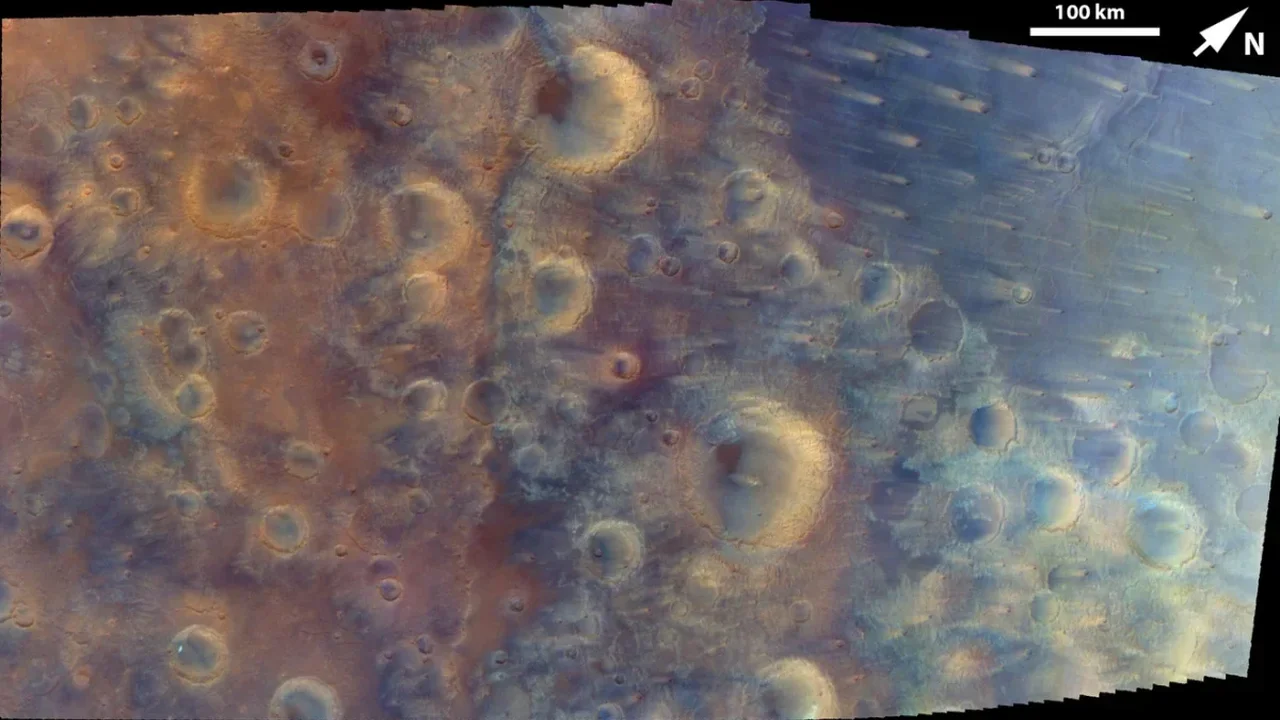
During the encounter, Psyche's twin cameras also recorded the impact basin Huygens, a large circular feature shaped by an ancient collision, along with crater patterns traced by wind-driven dust. The probe even spotted Mars's small moons, Phobos and Deimos, from a distance.
Testing tools for the next frontier
The flyby was more than a visual highlight. It also served as a calibration run for the mission's instruments. According to Arizona State University and MIT mission scientists, the neutron spectrometer and magnetometer performed as expected, helping verify how the spacecraft will read surface and magnetic signals at its asteroid target.
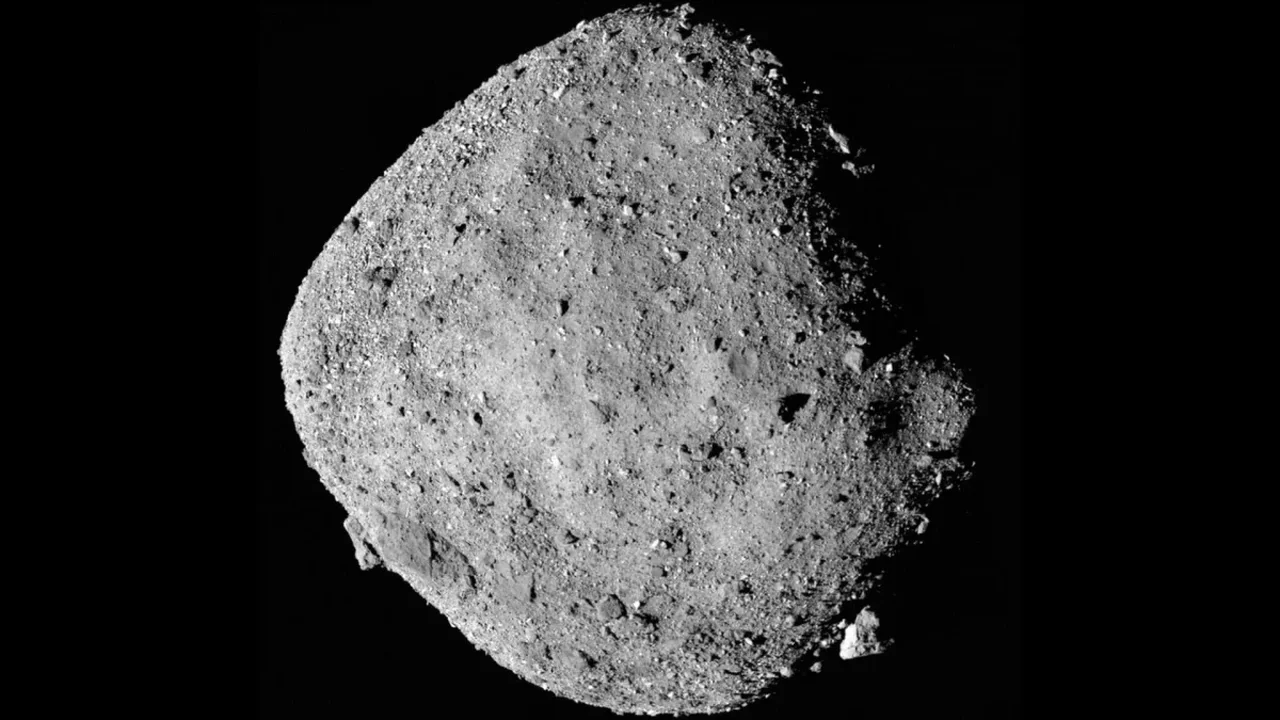
Researchers say the data will support future comparisons with observations from other Mars missions and improve the spacecraft's readiness for its 2029 arrival at Psyche. The asteroid remains a fascinating target, with scientists still debating whether it is a metal-rich remnant, a mixed rocky body, or a porous cluster of metallic material.
As Psyche continues its journey, the mission is showing how deep-space travel can combine engineering precision with discovery, shaping the next era of planetary exploration.