A new Smithsonian history by veteran space historian Valerie Neal explores how women reshaped NASA's astronaut corps, mission culture and long-term ambitions in space.
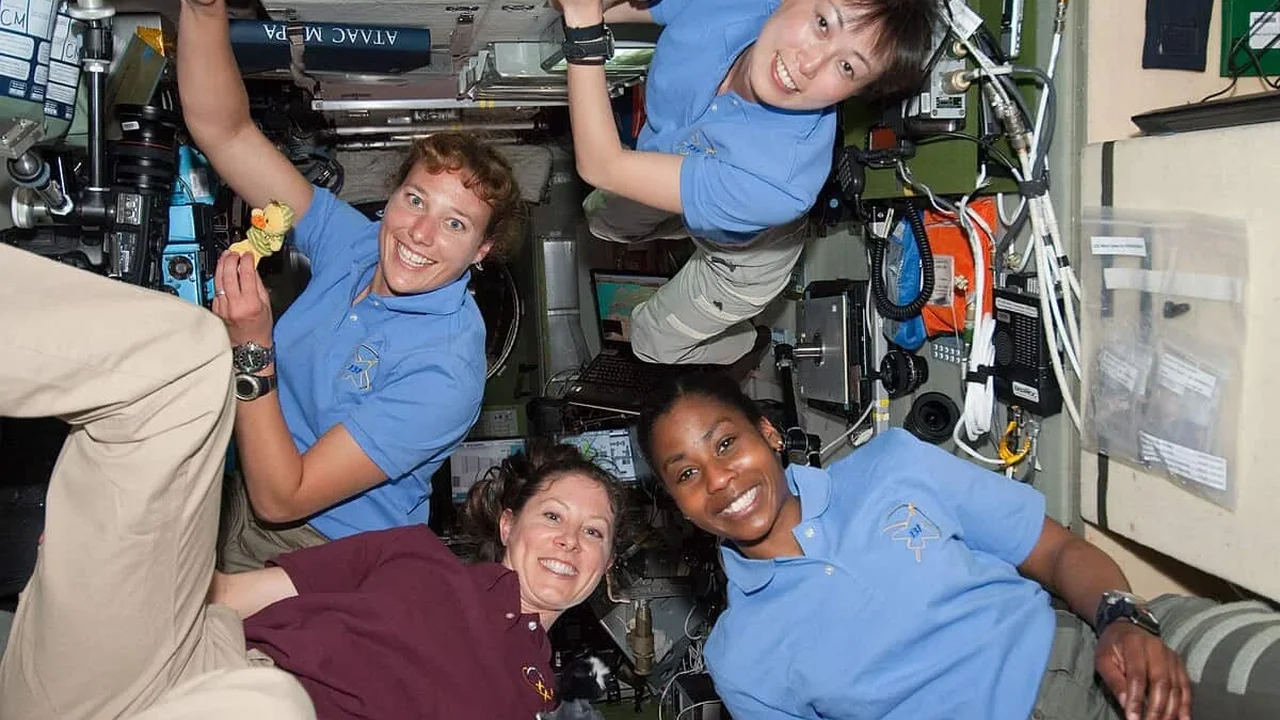
In On a Mission: The Smithsonian History of US Women Astronauts, Neal draws on interviews with 30 of the 32 living former U.S. women astronauts. Their experiences trace a major shift from an era when astronaut selection largely favored military test pilots to one that welcomed scientists, engineers, physicians and specialists from a far wider range of backgrounds.
The shuttle opened a new pathway
The pivotal change arrived with the Space Shuttle program. Its larger, more versatile design required not only pilots but also mission specialists responsible for scientific research, satellite deployment, spacecraft systems and spacewalks. This expanded role made astronaut candidacy accessible to qualified civilian experts.
In 1978, Sally Ride, Judy Resnik, Anna Fisher, Kathy Sullivan, Rhea Seddon and Shannon Lucid joined NASA's astronaut corps as its first six women astronaut candidates. Their careers established a model for future crews while broadening the technical expertise represented in human spaceflight.
Neal's research highlights how these pioneers navigated equipment and facilities originally designed around a narrow set of physical assumptions. Over time, their practical feedback helped advance workplace design, astronaut training and spacecraft operations. Their contribution was not limited to representation; it helped make missions more adaptable and inclusive.
From pioneers to mission leaders
Women have since commanded the International Space Station, conducted spacewalks, led research programs and helped shape mission planning. Neal notes that many astronauts shared a strong sense of responsibility to perform at the highest level, aware that their work could widen opportunities for those who followed.
The book also looks toward Artemis, NASA's program designed to return humans to the Moon. Next-generation spacesuits are being developed to support a broader range of astronaut body sizes and improve mobility during lunar operations.
The history of women astronauts shows how opening technical fields to more perspectives can strengthen exploration itself. As lunar missions and commercial spaceflight evolve, this legacy may help build a space sector where talent, curiosity and capability define who gets to reach beyond Earth.