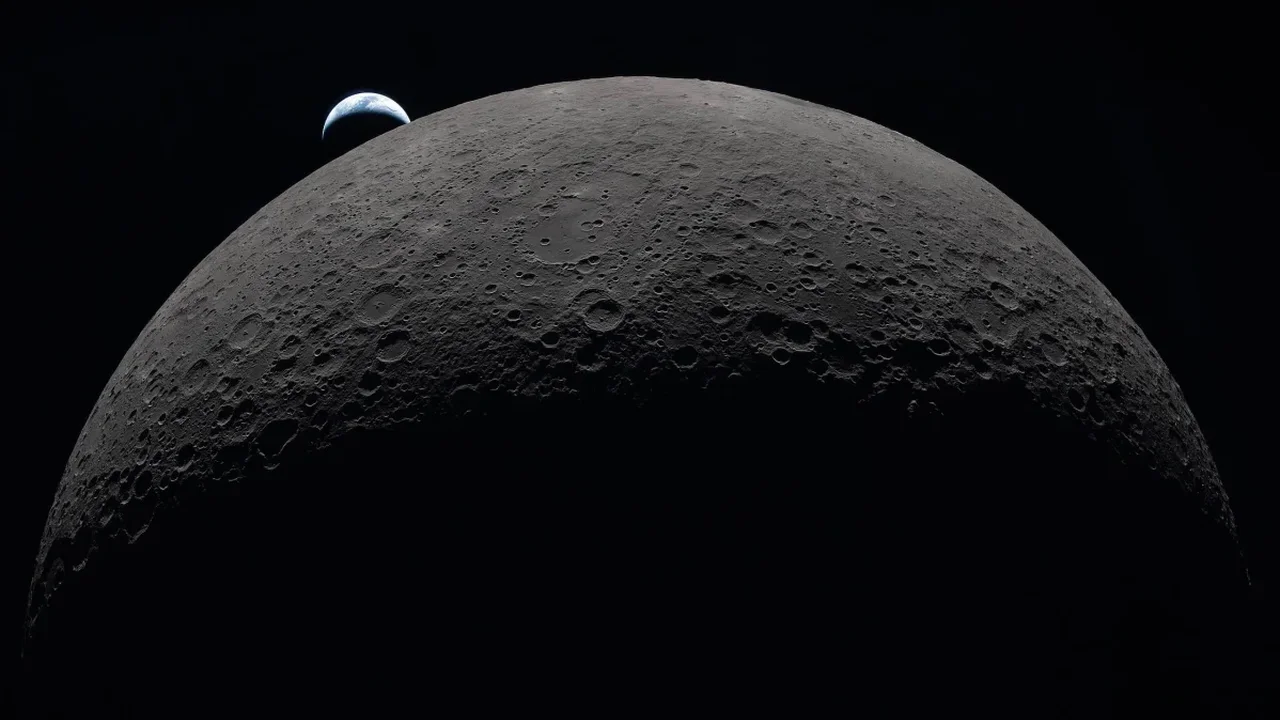
NASA-supported research suggests the Moon's south polar shadows may offer unexpected shelter for some Earth microbes. In regions where sunlight barely reaches the surface, bacteria and fungi carried by future missions could survive far longer than scientists once assumed.
The study examined five organisms commonly associated with human spaceflight, including Bacillus subtilis, Staphylococcus aureus, Deinococcus radiodurans, several Fusarium fungi, and Aspergillus niger. By combining laboratory data with lunar temperature and sunlight maps from NASA's Lunar Reconnaissance Orbiter, researchers identified polar terrain where ultraviolet radiation is weak enough to extend microbial survival for days or even weeks.
The most resilient candidate in the model was Aspergillus niger, which showed the broadest survival window across selected polar regions. The findings do not suggest these microbes could grow or spread on the Moon, since liquid water and other essentials are absent. Instead, the study highlights how dormant cells and their organic traces could remain in lunar soil long enough to complicate future sample analysis.
That matters because the Moon's permanently shadowed craters are also among the most scientifically valuable places to explore. They may preserve ice and ancient materials that help scientists study the history of the solar system. As human activity expands there, researchers say careful tracking of what astronauts bring will be essential for separating Earth-born material from native lunar chemistry.
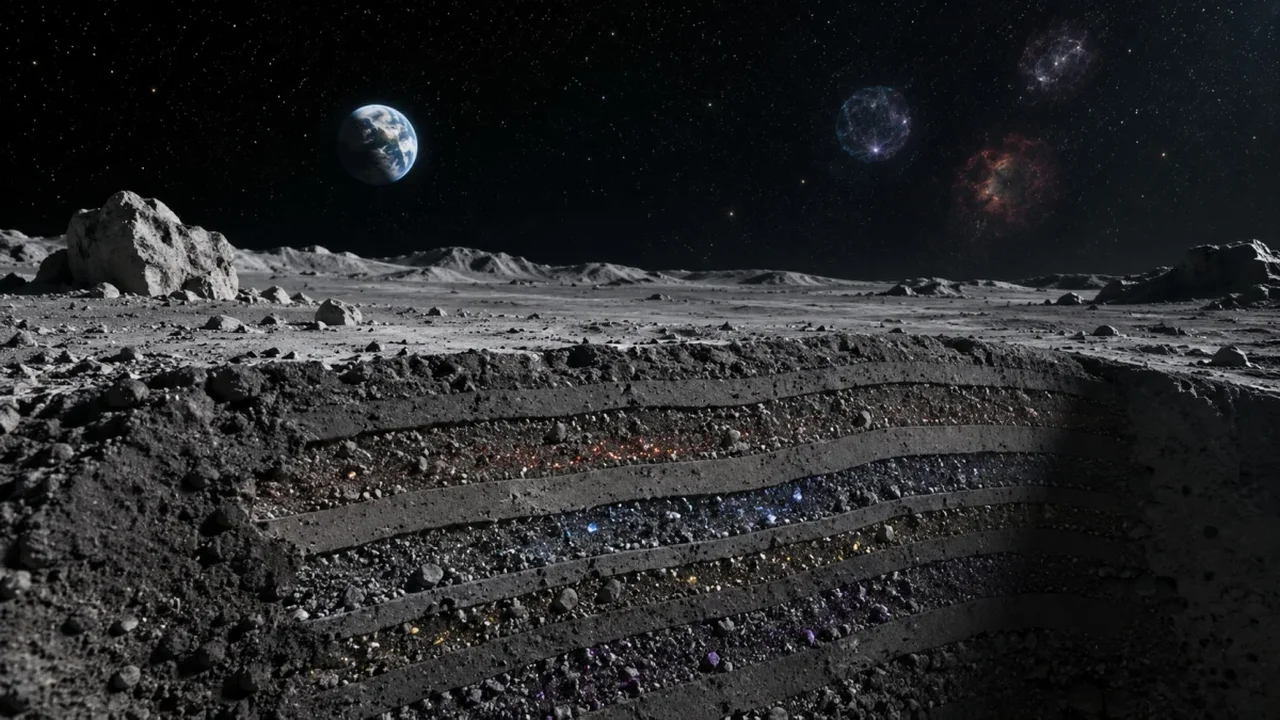
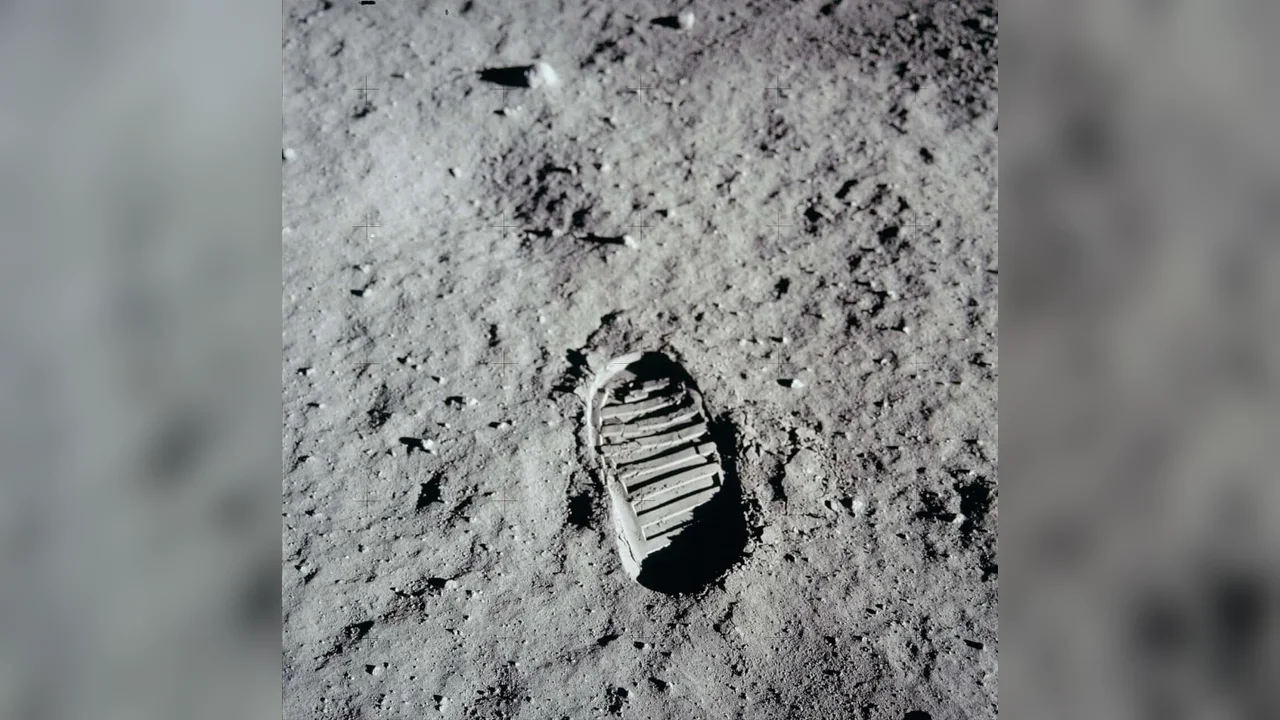
The team also notes that boots, rover tracks, and small excavations could create new shaded pockets where microbes might linger. Rather than treating this only as a challenge, scientists see an opportunity to monitor survival in real time and better understand how life behaves beyond Earth. The Moon may become a natural laboratory for planetary protection and astrobiology, shaping how future missions approach both exploration and contamination control. In the years ahead, this line of research could refine space mission design and deepen our understanding of life's resilience across the solar system.