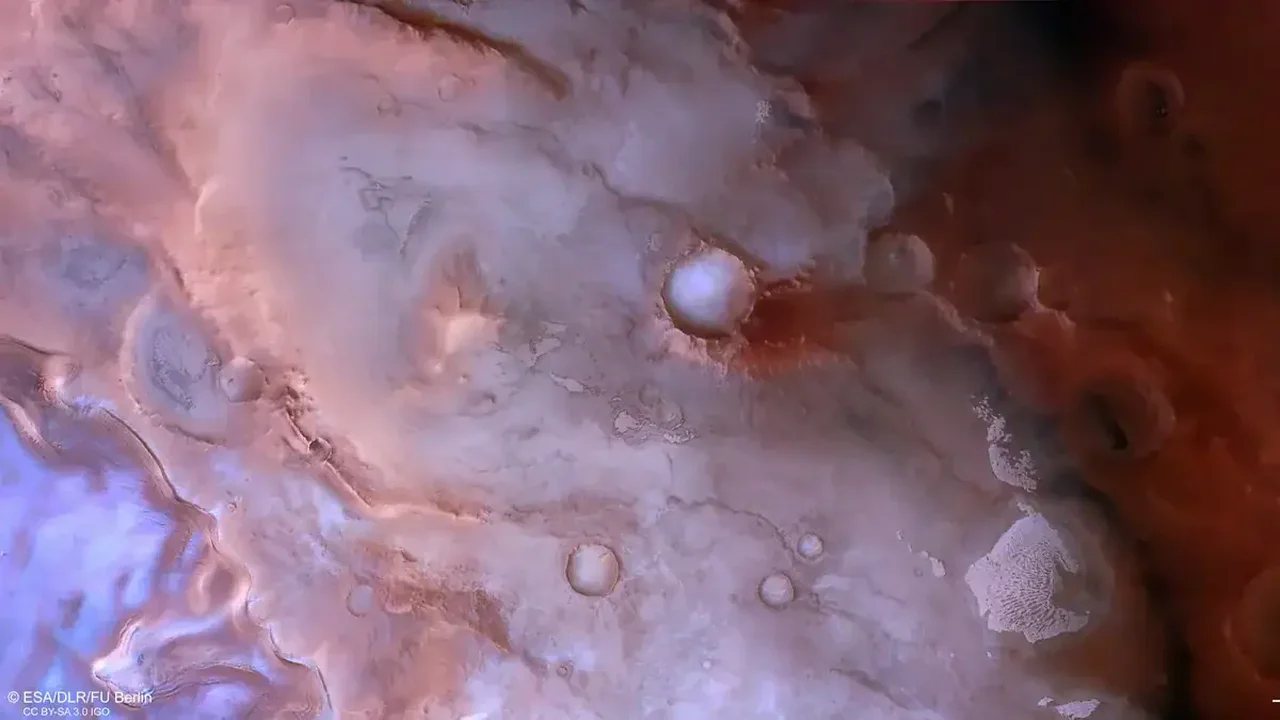
Mars may be known as the Red Planet, yet its surface can display a far broader spectrum. Observations from the European Space Agency's Mars Express mission have highlighted a striking purple-toned region near the planet's south pole, around the vast cliff system of Thyles Rupes.
The unusual shades emerge from a natural combination of reddish dust, dark volcanic terrain, pale carbon-dioxide frost and the angle of sunlight during southern-hemisphere spring. Fine particles suspended in the thin Martian atmosphere further alter how light interacts with the landscape, producing raspberry, pink and violet tones.
A landscape shaped by ice, dust and ancient geology
Thyles Rupes extends for hundreds of kilometres across Mars's southern highlands. Its steep ridges rise more than a kilometre above nearby terrain and are believed to have formed as the planet's interior gradually cooled, contracted and pushed sections of crust upward.
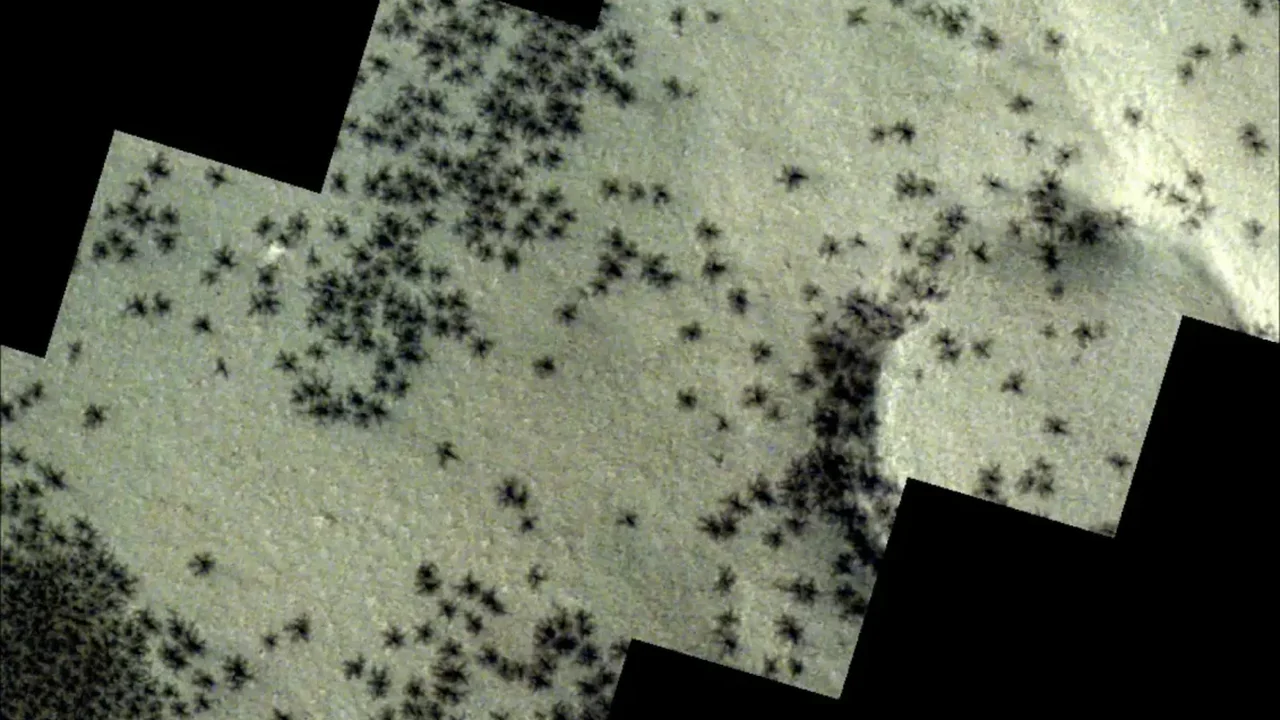
The surrounding region combines frost-covered dunes, impact craters, dark mineral deposits and the edge of the southern polar cap. The darker materials include volcanic minerals such as olivine and pyroxene, while pale frost persists in colder polar areas.
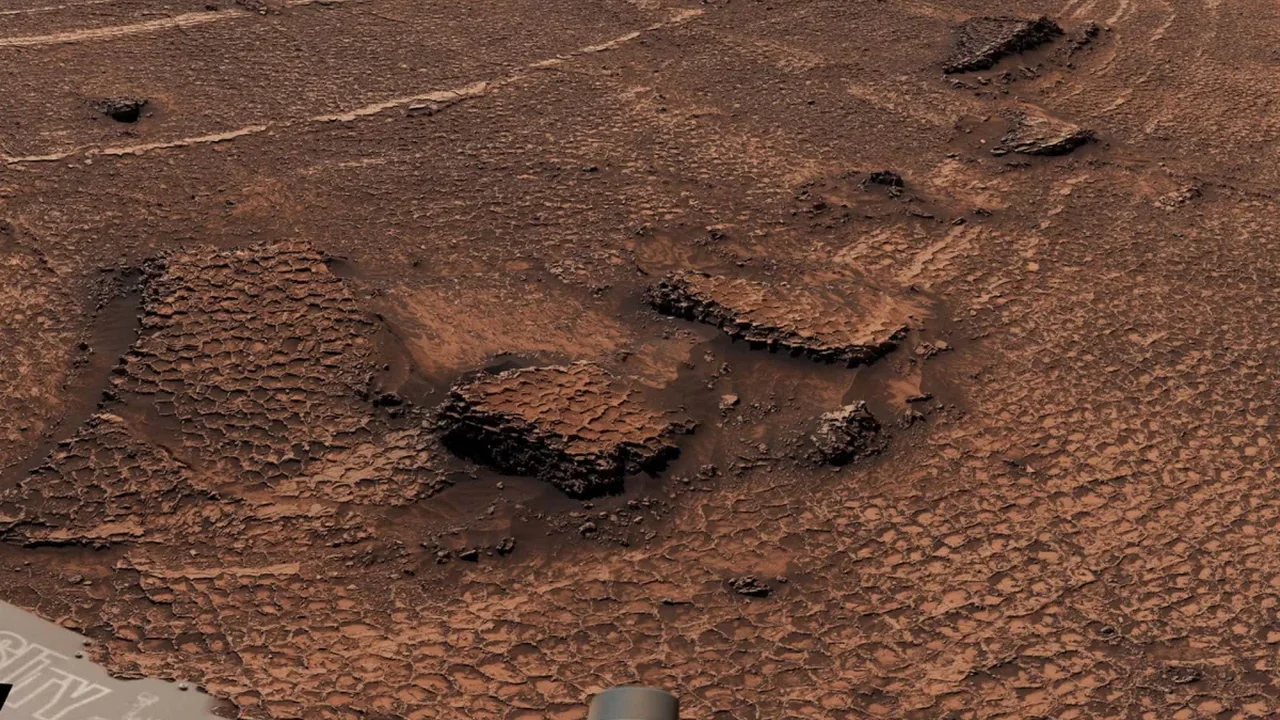
Mars's familiar rusty appearance is mainly created by an exceptionally fine layer of iron-rich dust. Beneath that coating, much of the planet is made of dark gray basaltic rock. Lighting conditions, seasonal changes and atmospheric dust can therefore make the same terrain appear dramatically different over time.
More than a red world
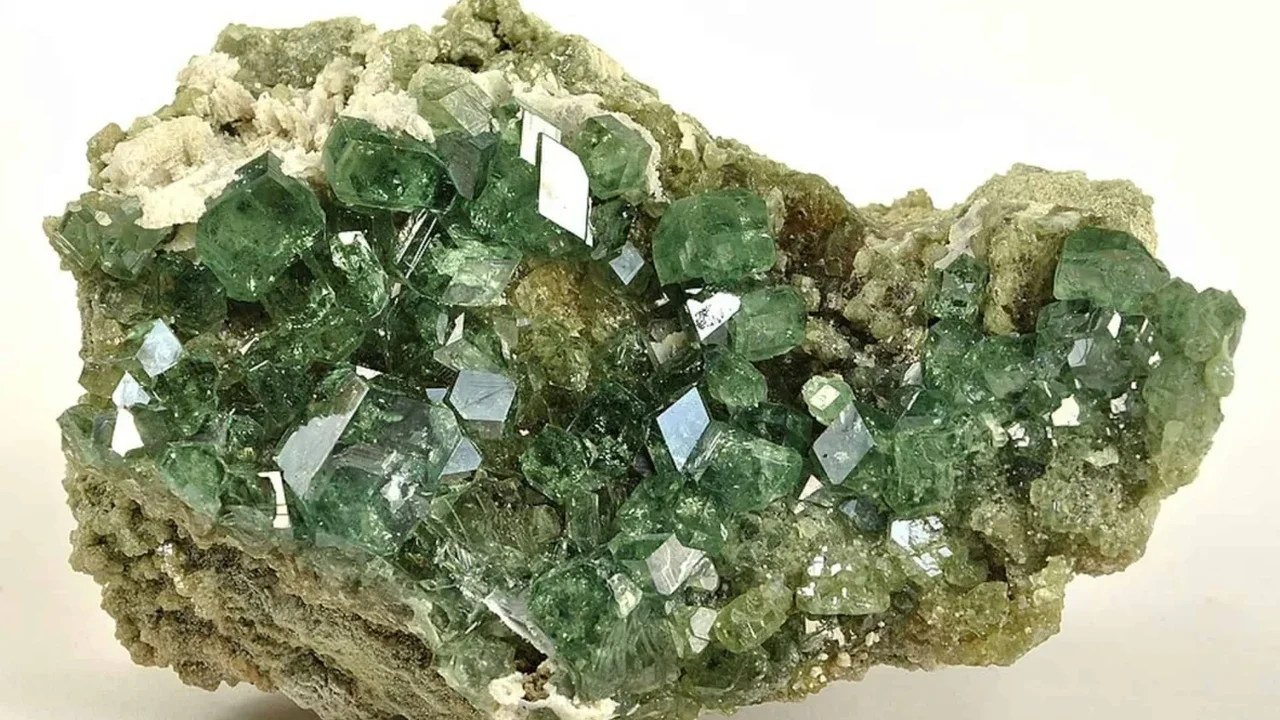
The planet's changing colours also offer clues to its environmental history. Research into Martian dust has pointed to ferrihydrite, a water-bearing iron mineral, as a possible contributor to its distinctive hue. Because this mineral commonly forms in the presence of water, it may preserve chemical evidence of a wetter ancient Mars.
These observations show that Mars is not a single-colour world, but a dynamic planetary archive shaped by minerals, climate and light. As exploration advances, its shifting palette could help scientists better understand the environmental conditions that once shaped its surface.