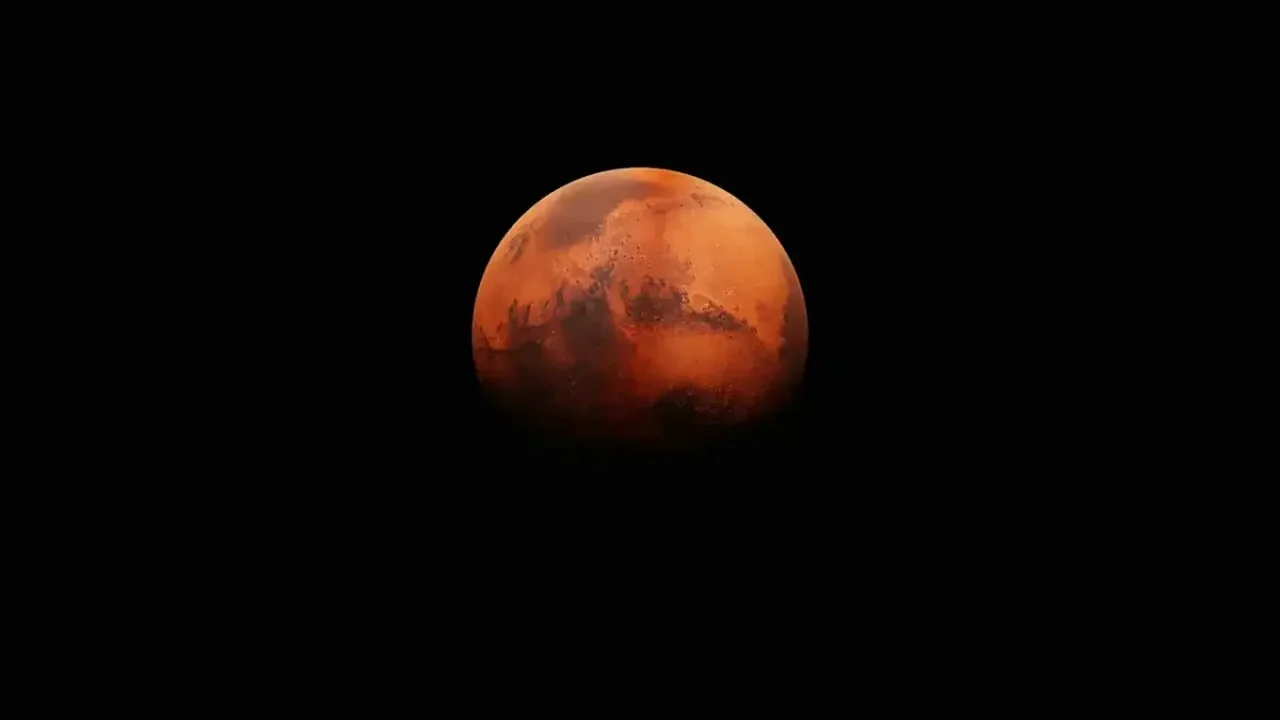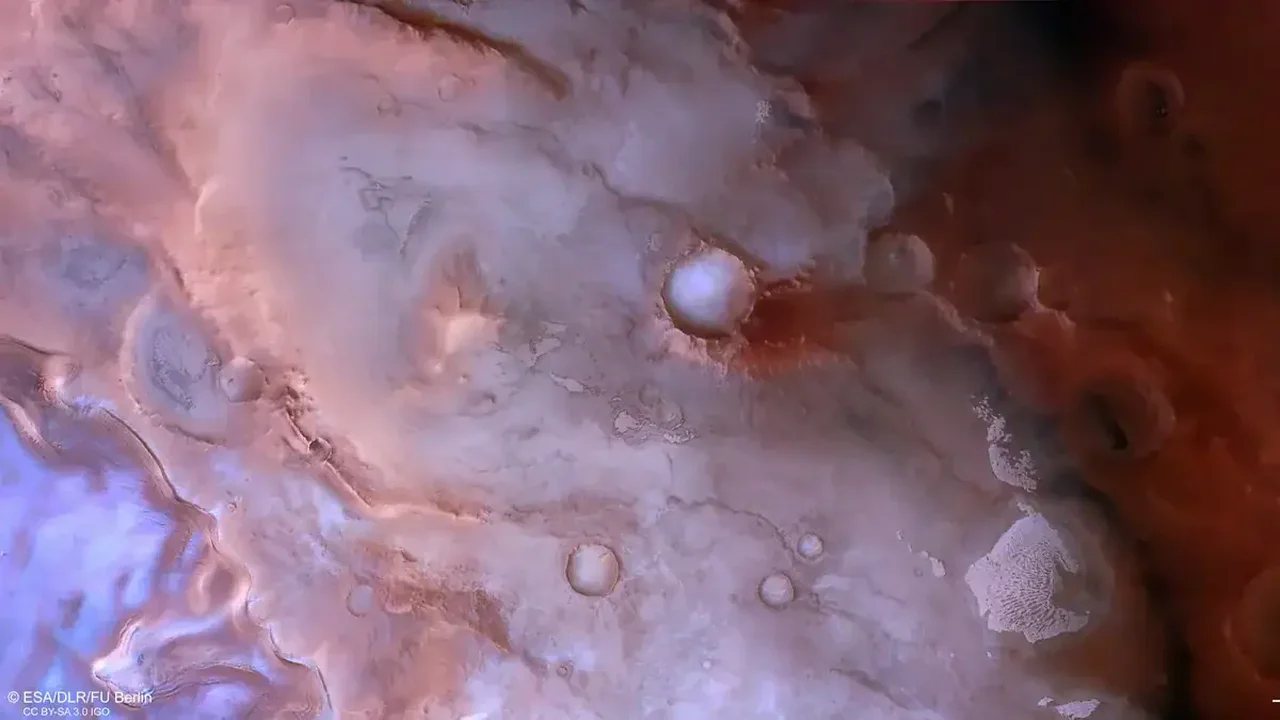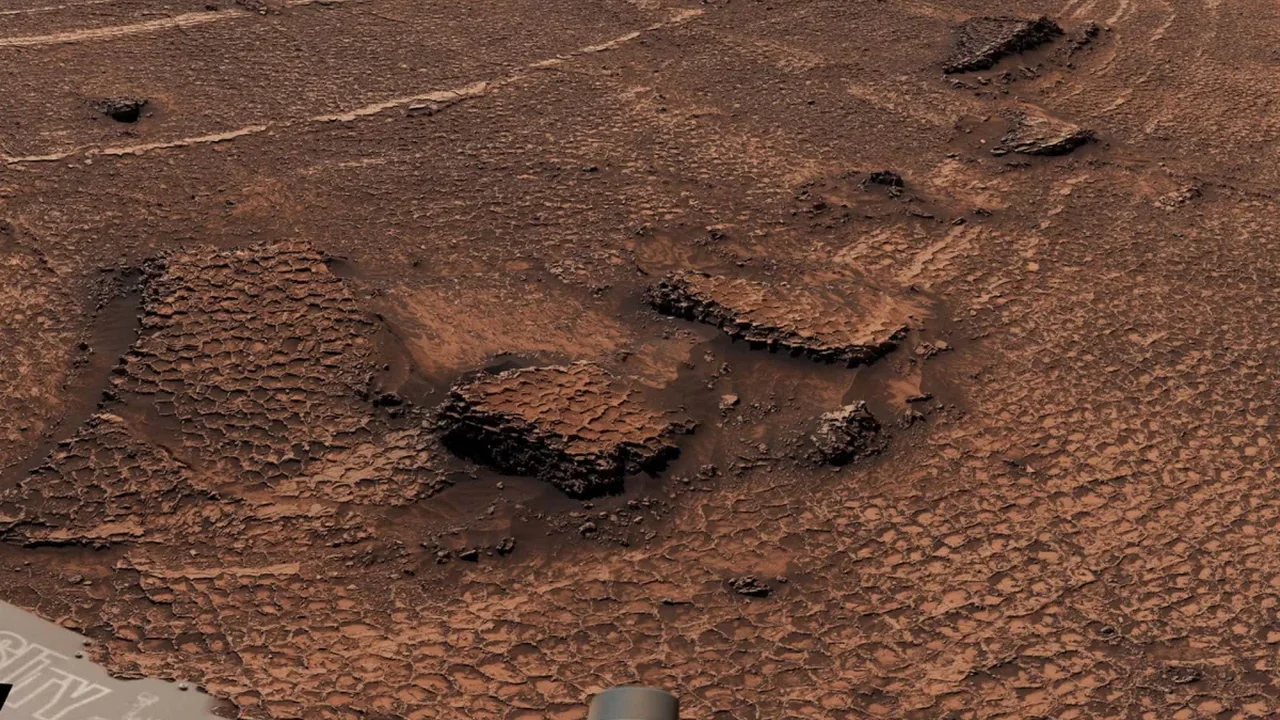
NASA's Curiosity rover has uncovered a striking new terrain on Mars: a broad field of tiny polygonal ridges that resembles a natural honeycomb. The pattern stretches across the ground near Valle Grande, on the slopes of Mount Sharp inside Gale Crater, and appears far more extensive than similar formations seen before.
Each polygon is only about 4 to 8 centimeters wide, yet together they create a continuous network across the surface. From orbit, the area looked relatively smooth, but ground-level observations revealed a complex mix of cracks, veins and layered rock that may preserve a detailed record of the planet's environmental history.
A clue to Mars' watery past
Scientists are examining several possible ways these shapes formed. One leading idea is that they began as mud cracks, created when wet sediment dried and contracted. Another possibility is that repeated temperature shifts caused the ground to expand and shrink. A third theory suggests the fractures developed underground as pressure squeezed water from buried sediment.
To test these ideas, Curiosity is studying both the raised ridges and the material between them using its APXS instrument, MAHLI camera and ChemCam laser. By comparing chemistry and texture across the full field, researchers hope to determine whether the landscape formed in one event or through several stages over time.
Connecting geology and organic chemistry
The discovery also adds context to Curiosity's recent chemical findings. In 2026, NASA reported 21 carbon-containing molecules in a clay-rich rock sample, including seven never before detected on Mars. While such compounds do not prove life, they do show that ancient Mars had ingredients associated with habitable environments.
Together, the polygon field and the organic chemistry point to a more detailed picture of Gale Crater's past, including how long water may have been present and how stable the climate once was. As Curiosity continues its climb, each new layer of rock brings scientists closer to reconstructing Mars' ancient environment and its potential for habitability in the future.