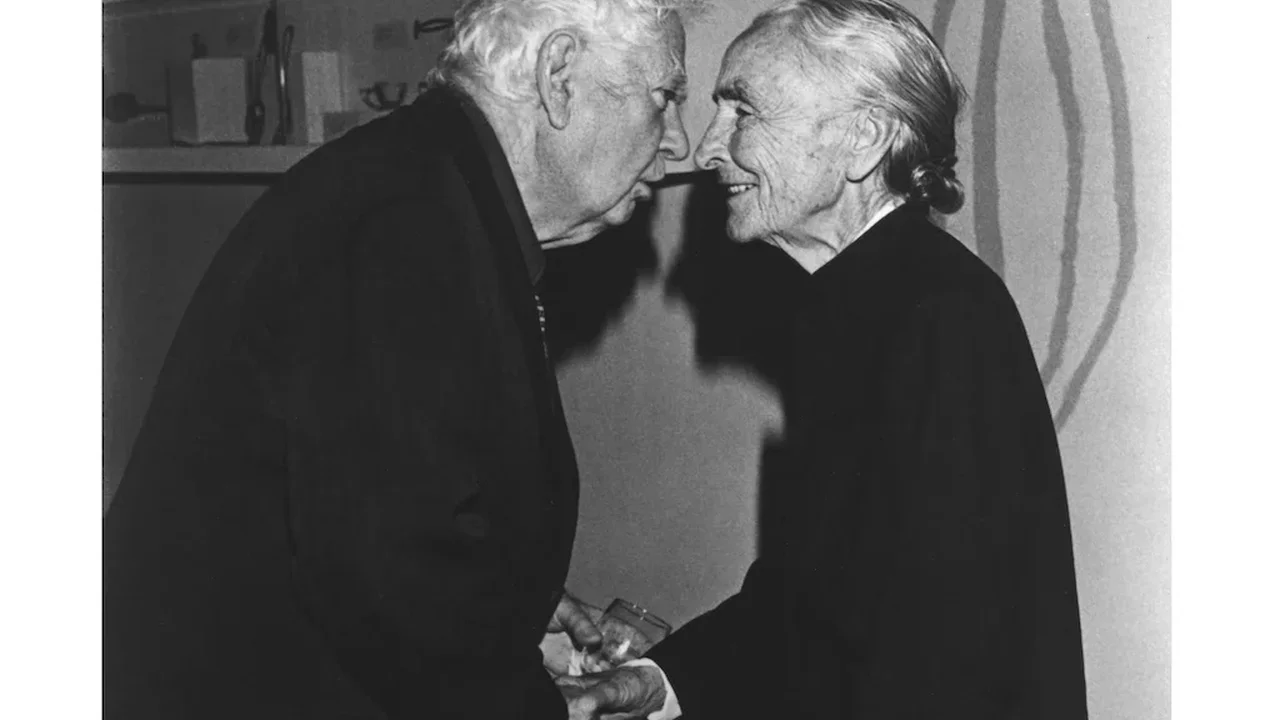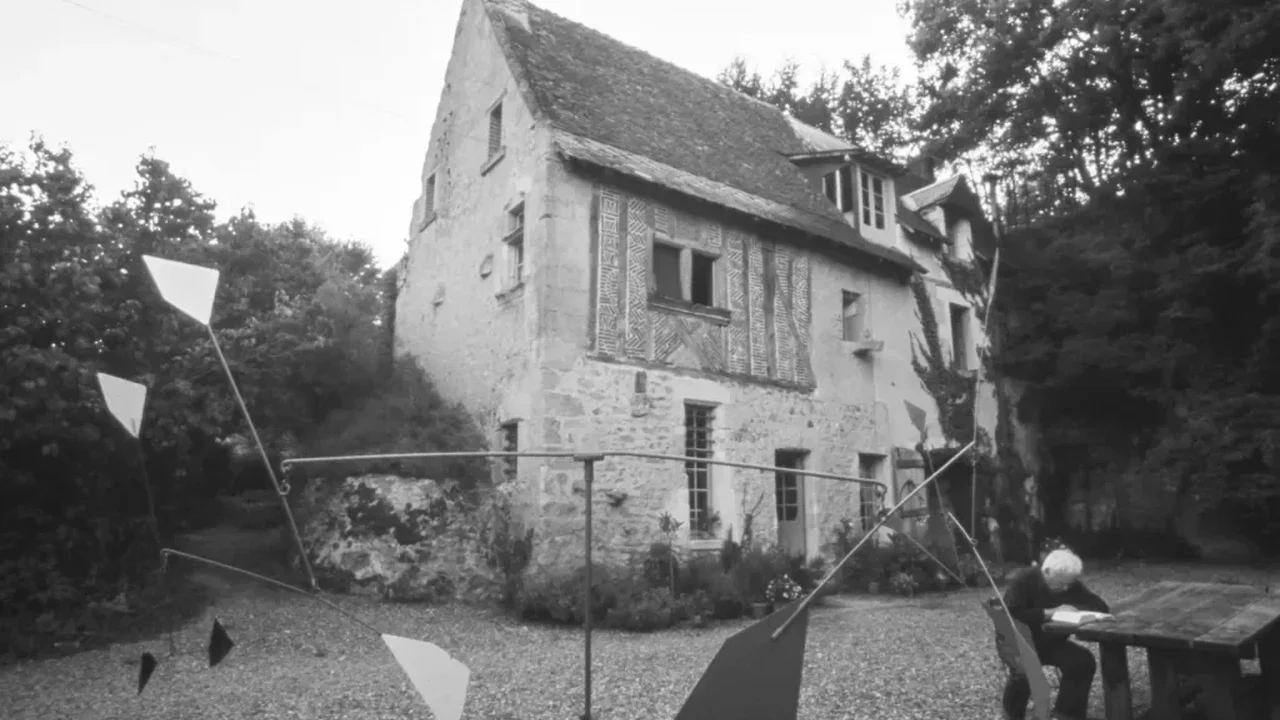
Alexander Calder's return to France in 1953 marked a turning point in his late career. An exhibition at Hauser & Wirth in Paris, titled "Calder: François Premier," explores that period through mobiles, gouaches and works connected to his life in the French countryside. It includes Les Granettes (1953) and The Putney Mobile (1954), both rarely seen for more than 70 years.
After spending two decades away, Calder travelled to France with his wife, Louisa, and their daughters. He first stayed near Aix-en-Provence, then discovered Saché in the Loire Valley, where he bought a home and later established a base for working and family life. His main studio remained in Connecticut, but a converted wagon shed in Saché became a productive workspace, particularly during the 1960s.
A quieter setting, a wider scale
According to his grandson Alexander S. C. Rower, the countryside did not directly inspire Calder's subjects. Instead, the slower pace offered relief from the demands of international fame and a chance to work with greater focus. Open skies and the broad landscape also gave Calder room to imagine sculpture on a larger scale.
His approach expanded beyond the suspended, moving forms for which he was known. Calder increasingly drew directly on metal, shaping and welding works at full scale. In 1962, he found an ironworks in France capable of producing larger pieces. The following year, he commissioned seven outdoor sculptures for his own account, allowing him to pursue ambitious projects on his own terms.
The Paris exhibition traces how a period of quiet and creative independence helped Calder broaden his artistic vocabulary. His experience suggests that supportive places and skilled collaboration can help artists translate new ideas into larger forms--a principle that may continue to shape how ambitious public art is made.