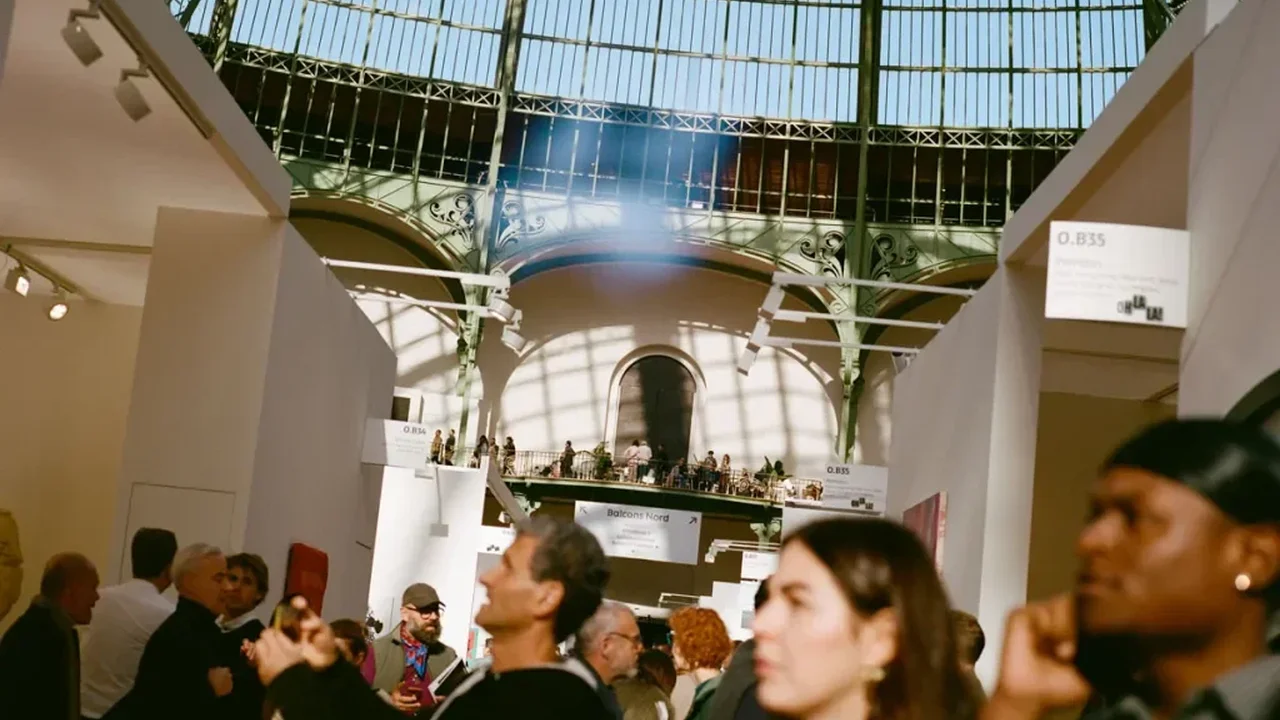
Europe's autumn art calendar is gathering momentum as Frieze London and Art Basel Paris prepare to welcome galleries, collectors and artists in consecutive weeks. Frieze runs in London from October 14-18, followed by Art Basel Paris from October 21-25.
The two events are increasingly viewed as a connected cultural journey rather than competing destinations. International visitors can discover contemporary practices in London before moving to Paris, where museum programming and high-profile historical works add another dimension to the season.
London's Creative Energy
London remains a major home for working artists and an important platform for new ideas. Galleries are expanding their presence in the city, with Hauser & Wirth developing a new Mayfair space and Thaddaeus Ropac renewing its long-term commitment to London.
At Frieze, galleries are expected to spotlight emerging and established contemporary voices. Presentations will range from paintings and installations to cross-generational dialogues, reinforcing the fair's reputation as a place to encounter artists shaping today's visual culture.
The city also offers significant scale: Frieze London and Frieze Masters together hosted more than 280 galleries last year. This breadth gives visitors access to modern masters, contemporary art and collectible design across a single cultural week.
Paris Builds a Global Platform
Art Basel Paris continues to strengthen its position as a meeting point for international collectors and galleries. Its program balances major 20th-century works with ambitious presentations by living artists, creating space for both established names and fresh perspectives.
Galleries are also adapting their fair strategies through shared booths and focused selections. This approach encourages collaboration while allowing artists to present projects with greater clarity and intention. For younger galleries, dedicated sections and first-time exhibitor support can help broaden access to an international audience.
Together, London and Paris demonstrate how art fairs are evolving beyond sales events into dynamic spaces for discovery, conversation and cultural exchange. Their combined season may shape a more connected European art ecosystem, where artists and audiences move more freely between experimentation, heritage and new collecting habits.