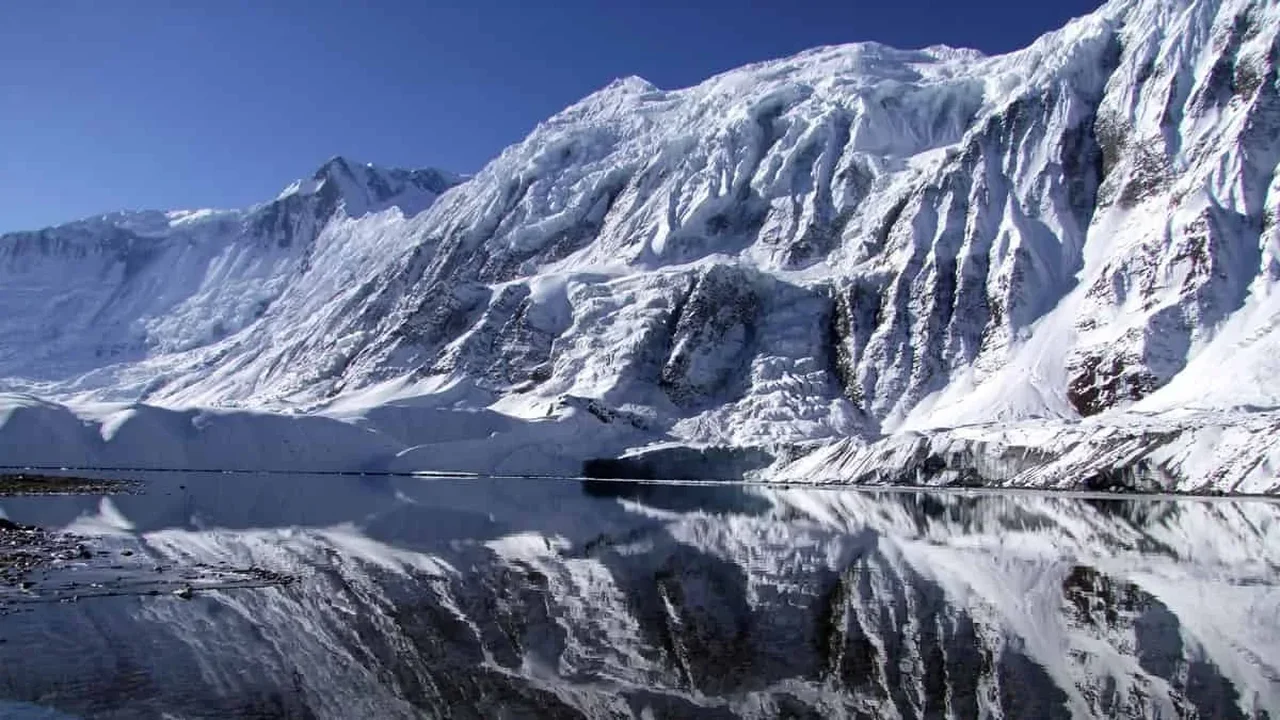
A new study published in iScience has found microplastic pollution in Tilicho Lake, one of Nepal's highest snow-fed lakes, located at 4,917 meters in the Himalayas. Researchers measured an average of 42 microplastic particles per liter, showing that even remote alpine waters are not untouched by modern plastic use.
The research adds to a growing body of evidence that microplastics are reaching extreme environments, from polar regions to high mountain ecosystems. In this case, scientists believe tourism is a key factor, as the highest contamination levels appeared in areas of the lake that are easier for visitors to access.
To collect the samples, Sahil Shrestha of Tribhuvan University's Institute of Engineering used field and trip blanks to reduce the risk of contamination during transport and analysis. The team then filtered the water, removed organic material, and examined the particles under a microscope to identify their composition.
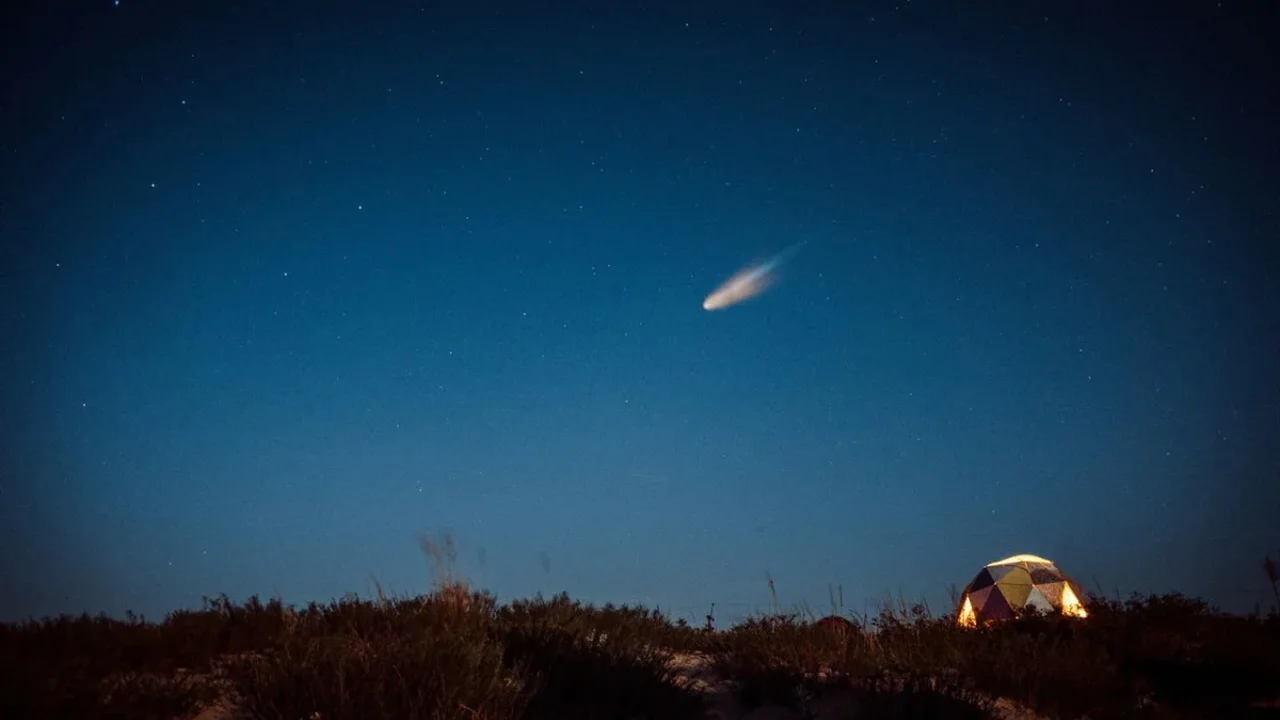
The most common materials were polyester, polyethylene, and polypropylene--plastics widely used in hiking gear, tents, bottles, and bags. The findings suggest that everyday outdoor equipment can leave a measurable footprint in fragile mountain environments.
Because many Himalayan lakes feed downstream waterways, the study also highlights the importance of monitoring high-altitude water systems as part of broader environmental planning. The researchers say the results can help guide conservation rules and smarter trekking practices in protected areas such as the Annapurna Conservation Area Project.
As mountain tourism expands, studies like this may shape cleaner travel habits and stronger protection strategies for some of the world's most remote freshwater landscapes.