New research is reshaping how scientists understand the journey of space rocks through Earth's atmosphere. Rather than simply "burning up," meteorites appear to undergo a complex sequence of melting, cracking, spinning, and fragmentation before any surviving pieces reach the ground.
By studying light curves and speeds from 75 meteorite-producing fireballs recorded by cameras, researchers identified seven phases of atmospheric entry. The findings suggest that a meteoroid's fate is driven by changing air pressure and heat, which gradually strip material from the object as it descends.
From meteoroid to meteorite
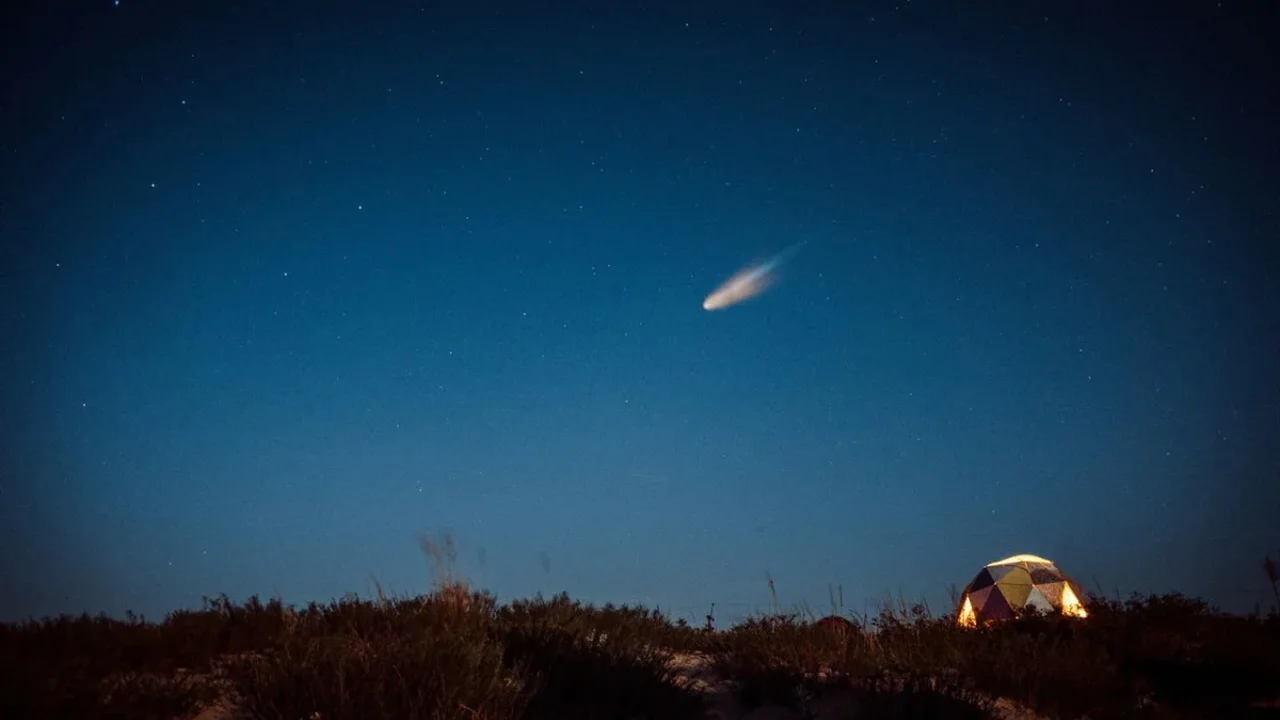
A meteoroid is a natural fragment of rock or metal moving through space. When it enters Earth's atmosphere at high speed, the air in front of it compresses and heats up, creating the bright streak known as a meteor. If pieces survive all the way down, they become meteorites.
The study shows that the process is more layered than once thought. Early in the fall, the object brightens as a shock wave forms. Some bodies also spin rapidly, with the fastest rotating examples completing a turn in just seconds. As the descent continues, surface material melts and is pulled away by fast-moving air.
Later stages are dominated by fragmentation. Internal cracks, thermal stress, and aerodynamic pressure can break the object apart before it reaches the ground. The researchers note that this breakup can happen even when the measured strength of recovered meteorites suggests they should have held together longer.
Why it matters
Understanding these phases helps scientists estimate where meteorite fragments are likely to land after a fireball is seen. It also improves models for larger asteroid airbursts, including events like the 2013 Chelyabinsk explosion, which followed the same general sequence.
The study, published in Meteoritics & Planetary Science, offers a clearer picture of how incoming space rocks shed mass and energy in the sky. In the future, this kind of research could sharpen planetary defense tools and improve our ability to track cosmic visitors with greater precision.