New genetic research is adding depth to the story of the first communities to reach the Americas. A review led by the University of Kansas brings archaeological discoveries together with ancient DNA records, suggesting that human movement into the continent was more varied than earlier single-route models proposed.
A population history written across millennia
The research, published in Current Opinion in Genetics & Development, examined 257 ancient whole genomes from the Americas alongside genome-wide data from 1,204 ancient individuals. The analysis indicates that populations with ancient Siberian and East Asian ancestry contributed to the ancestral population of Indigenous Americans between roughly 25,000 and 20,000 years ago.
Scientists believe this ancestral group experienced a period of relative isolation, known as the Beringian Standstill. Whether this took place in Beringia or northeastern Siberia remains uncertain, but the genetic record points to an early and complex period of population formation.
Genetic branches associated with present-day Indigenous communities began separating over time. One lineage linked with today's Blood/Blackfoot peoples may have diverged around 18,000 years ago, while Northern and Southern Native American lineages appear to have separated around 15,500 years ago.
Footprints and DNA offer complementary clues
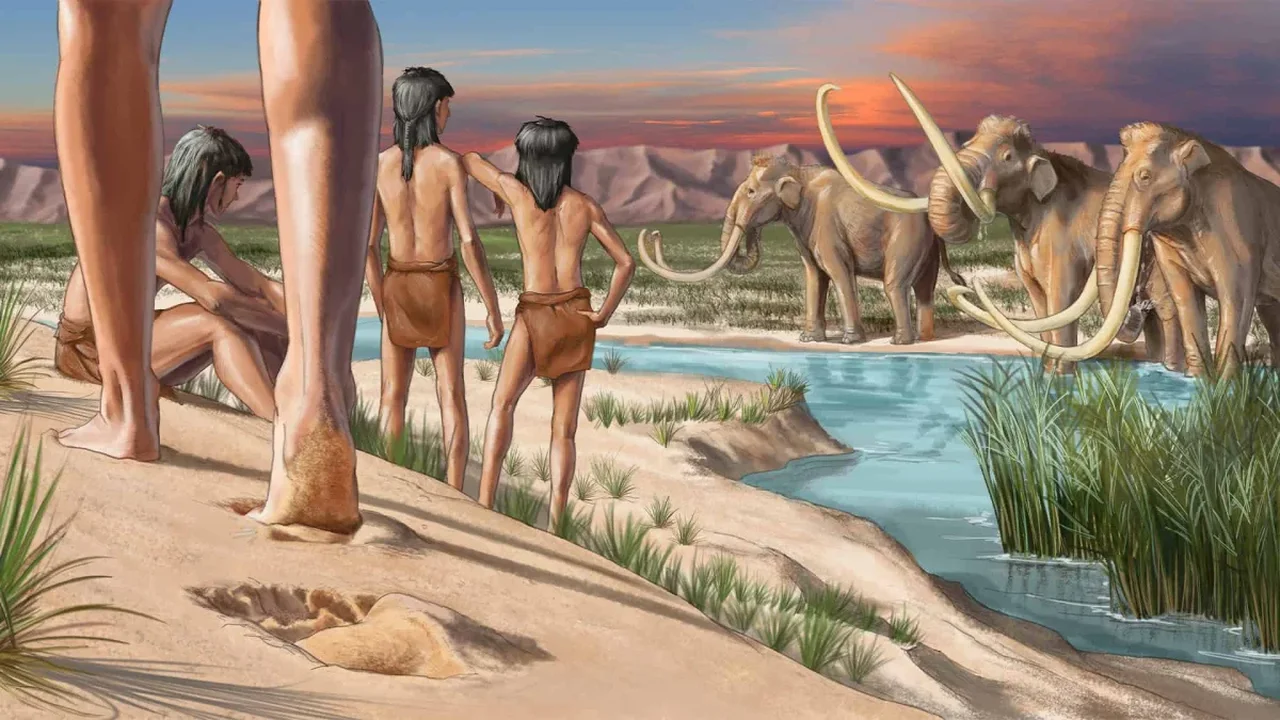
Archaeological findings at White Sands National Park in New Mexico add another important dimension. Human footprints preserved in ancient sediments have been dated to approximately 23,000 to 21,000 years ago, placing people in North America during the height of the last Ice Age.
DNA alone cannot determine the exact moment when the first people arrived, and the oldest published human genome from the Americas is considerably younger than the White Sands tracks. This gap leaves open several possibilities: some early groups may not yet be represented in genetic samples, may have contributed only limited ancestry to later populations, or may have belonged to population branches that did not persist.
Recent genomic work also supports a wider pattern of movement, identifying multiple dispersals into South America over thousands of years. Researchers emphasize that future advances will depend on collaborative work among Indigenous communities, archaeologists, tribal historians and geneticists.
The emerging picture is not a single migration story, but a dynamic human journey shaped by adaptation, movement and connection. As ancient DNA archives expand, they may help build a more detailed and inclusive map of humanity's earliest pathways across the Americas.