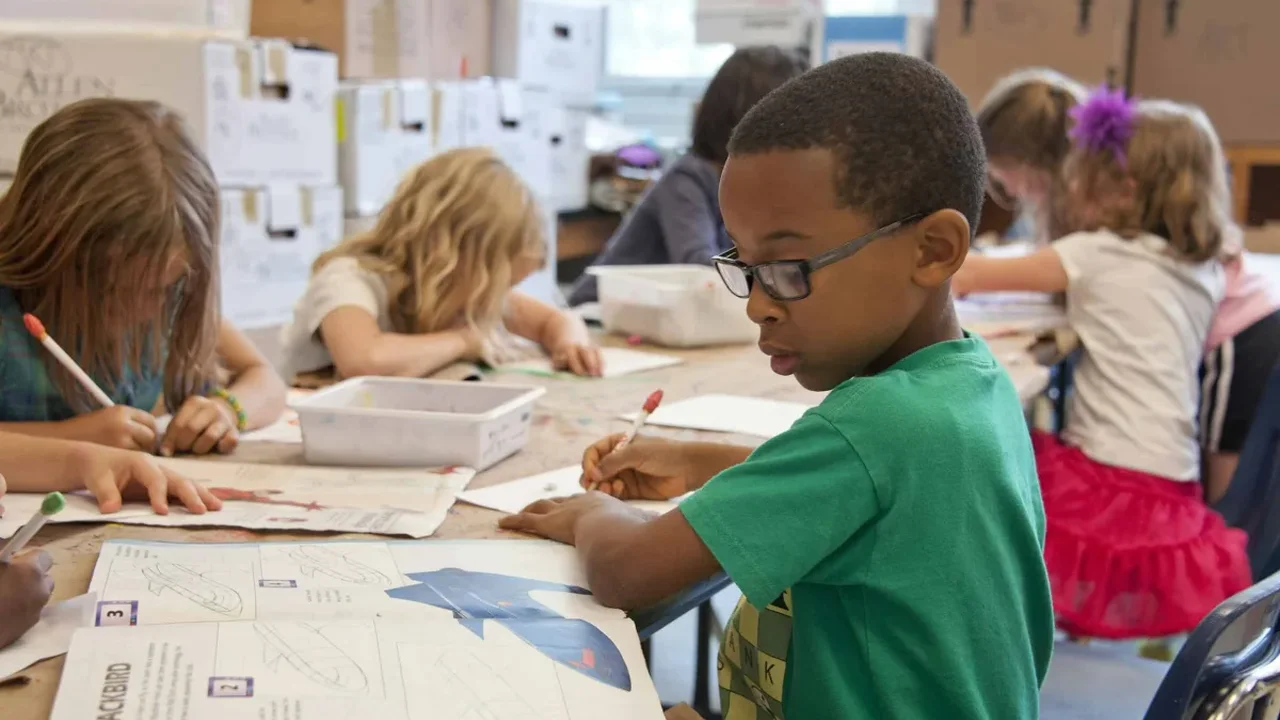
A new School Readiness Survey by UK charity Kindred Squared is drawing attention to the everyday skills children need as they begin formal education. The study gathered perspectives from more than 2,000 parents and teachers on how children aged four and five adapt to Reception classrooms.
According to the findings, 37% of children starting school in 2025 were considered to need additional support with foundational routines. Teachers reported that 26% were not yet independently toilet trained, while 44% found it difficult to remain seated for a lesson. Around 28% also needed guidance in using printed books, with some attempting to tap or swipe pages as they would on digital devices.
Everyday Independence Takes Centre Stage
The survey suggests that school readiness extends beyond early literacy or numeracy. Skills such as dressing independently, using cutlery, communicating needs, managing separation from caregivers and turning book pages can help children participate more confidently in classroom life.
Teachers said they spend an average of 2.4 hours each day supporting these non-academic needs. This has renewed discussion around how families, nurseries and schools can work together to make the move into education smoother and more inclusive.
Early Support Can Build Confidence
Parents were largely optimistic about their children's readiness, with 88% believing their child was prepared for school. At the same time, 94% said they would welcome clearer national guidance before their child reaches the age of four.
The findings also underline the value of early childhood education. Children who attend nursery often have more opportunities to practise communication, social routines and independence in a group environment. Families identified affordability, time pressures and access to services as key factors shaping these opportunities.
Simple habits can make a meaningful difference: sharing physical books, encouraging conversation, practising daily routines and creating moments for independent play. Balancing digital experiences with hands-on activities may help children develop patience, focus and confidence before their first day at school.
As education systems evolve alongside technology, stronger early-years support could help shape a generation that enters classrooms ready to learn, connect and thrive.