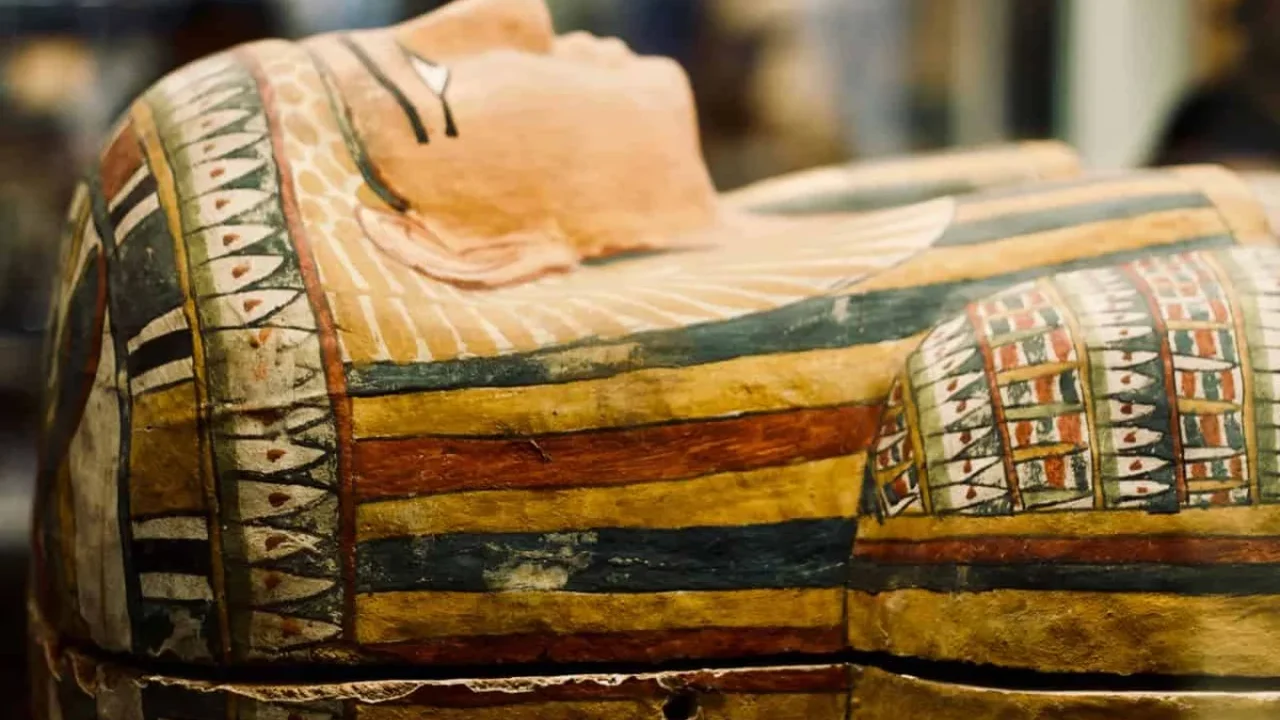
A new study suggests that the modern online market for mummified human remains carries a very real biological dimension. While the old idea of a supernatural curse has no scientific basis, researchers say preserved bodies can still present health risks when handled, stored, or shipped without proper precautions.
From Legend to Laboratory Concern
For centuries, stories about pharaohs' curses have surrounded Egyptian mummies. Yet the latest research shifts the focus from myth to material reality. Mummified tissue is not sterile: it can contain bacteria, yeasts, fungi, and residues from historical embalming substances. Under humid or poorly ventilated conditions, these organisms may persist or grow again.
The study reviewed online listings and auction posts from 2011 to 2025, with a detailed category analysis covering 2015 to 2025. Researchers documented 128 examples, including isolated hands, feet, heads, skulls, and other preserved remains. More than half of the sample involved heads or partial heads, highlighting how widely such items circulate in digital marketplaces.
What the Researchers Found
Lead author Kirsty Squires of the University of Staffordshire said the internet and social media have expanded demand for unusual cultural heritage objects, including mummified humans and animals. In several posts, the team observed signs that could indicate fungal growth, such as discoloration and patchy surface changes. Because the remains were not sampled directly, the exact organisms could not be identified.
Previous research points to fungi such as Aspergillus and Penicillium as common suspects in preserved remains and burial environments. These molds can release airborne spores, which is why museums and conservation labs typically rely on gloves, masks, and controlled storage.
Shipping Adds a New Layer of Exposure
The study also found examples of mummified remains being mailed across borders, sometimes with vague or misleading parcel descriptions. That means collectors are not the only people potentially exposed; postal workers, customs staff, and delivery personnel may encounter packages without knowing what they contain.
Researchers are calling for clearer shipping rules, stronger marketplace oversight, and more visible guidance for sellers and buyers. Their broader message is straightforward: preserved human remains are part of cultural history, but they still require careful, informed handling.
As digital trade continues to reshape how heritage objects move around the world, this research may help define safer standards for the future of cultural preservation and responsible collecting.