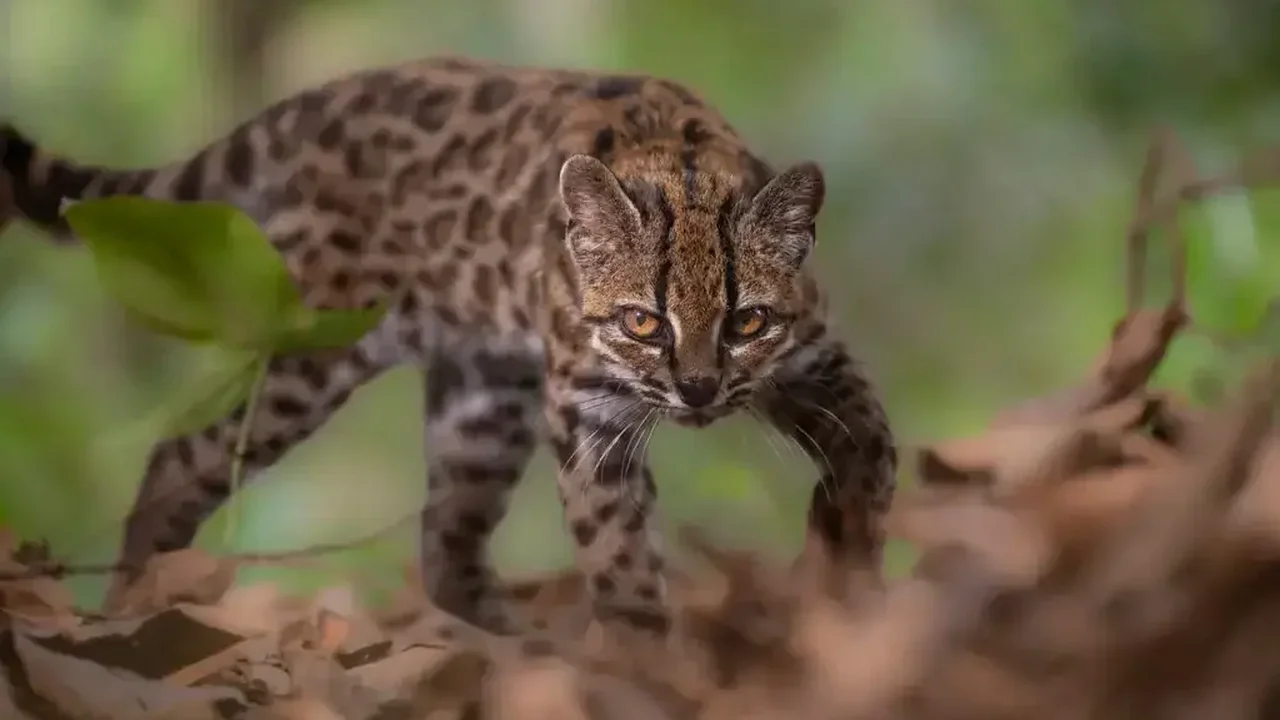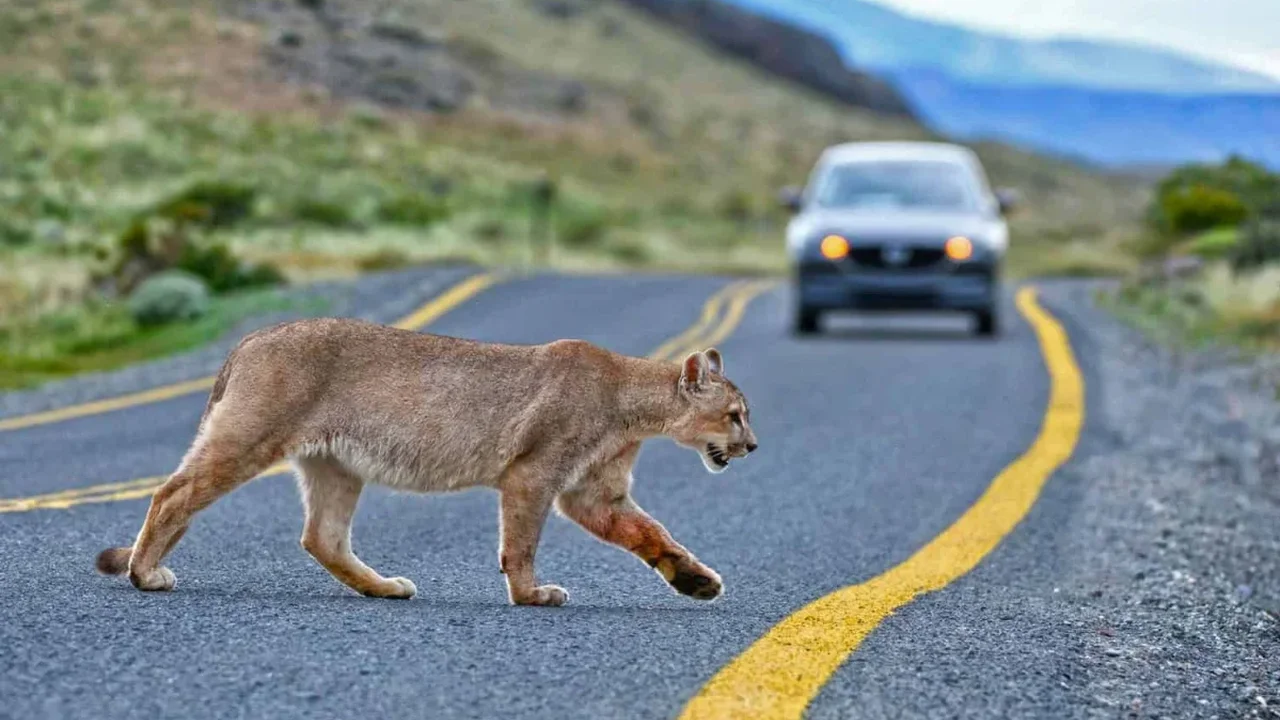
New research from Washington state suggests that cougars may play an unexpected role in road safety. By changing how deer move through the landscape, these predators can steer wildlife away from busy roads and lower the chance of vehicle collisions.
Predators reshape deer behavior
The study focused on the Olympic Peninsula, where black-tailed deer share habitat with pumas, wolves and black bears. Researchers found that when cougars are present, deer avoid high-road areas, spend more time in remote terrain and adjust their daily routines to reduce risk.
Using camera data from 503 locations and GPS tracking from 59 collared pumas, the team compared wildlife movement with nearly 1,000 reported wildlife-vehicle collisions between 2020 and 2025. Deer were responsible for the vast majority of those incidents, making their behavior especially important for road safety.
According to the findings published in Current Biology, areas with stronger cougar activity saw an estimated 76% reduction in expected deer-vehicle collisions. In the highest-cougar zones, the overall collision probability dropped by 67%.
A natural safety effect
The effect does not come from cougars chasing deer along highways. Instead, deer appear to recognize where predators are most likely to hunt and avoid those places. That shift also keeps them farther from roads, where collisions are more likely.
Researchers note that this may complement other safety strategies such as wildlife crossings and fencing. It also highlights how healthy predator populations can influence ecosystems in ways that extend beyond conservation, including benefits for people.
As scientists continue exploring predator-prey dynamics, this kind of evidence could help shape smarter wildlife management and road planning in the future.