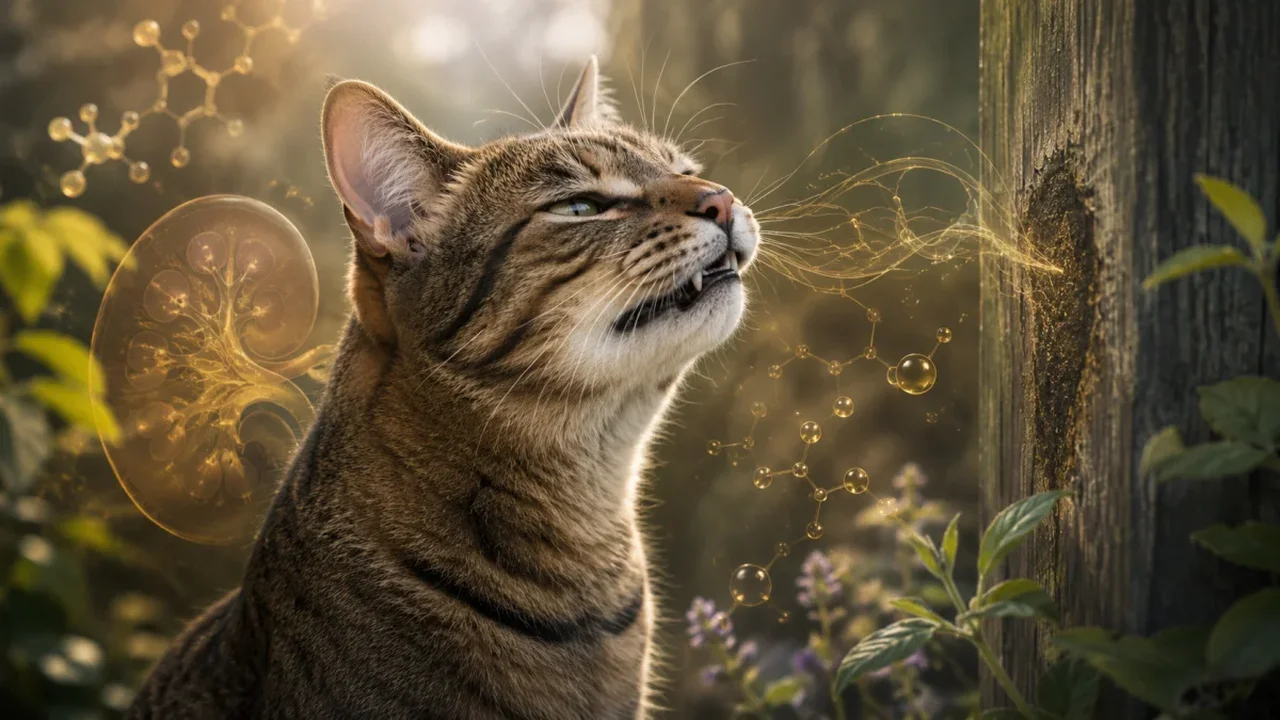
New research suggests cats may recognize one another through a stable chemical signature in urine, turning a familiar territorial habit into a sophisticated form of communication. The study identified 13 branched-chain fatty acids whose proportions varied between cats but stayed consistent within the same animal.
Researchers analyzed urine from 44 domestic cats and ran behavioral tests with 27 of them. When cats were repeatedly exposed to urine from the same donor, their interest faded over time. When a new donor appeared, attention rose again. In another test, cats still recognized a previously encountered odor after months, pointing to a surprisingly durable scent memory.
Kidneys as a Chemical Reservoir
The most unexpected finding came from the kidney. The fatty acids were found in lipid droplets in the renal cortex, where they appeared to be stored in triacylglycerols before being released into urine. That suggests the kidney may help preserve each cat's chemical profile, keeping its identity signal more stable than ordinary volatile scent compounds.
Cats also showed the flehmen response more often when investigating urine from unfamiliar animals. This open-mouthed behavior helps direct scent molecules toward the vomeronasal organ, a key part of feline chemical sensing.
One of the study's key insights is that the signal seems to be read as a mixture, not a single molecule. A synthetic blend of six fatty acids was less effective than the natural fraction, indicating that cats may rely on a more complex chemical pattern to identify individuals.
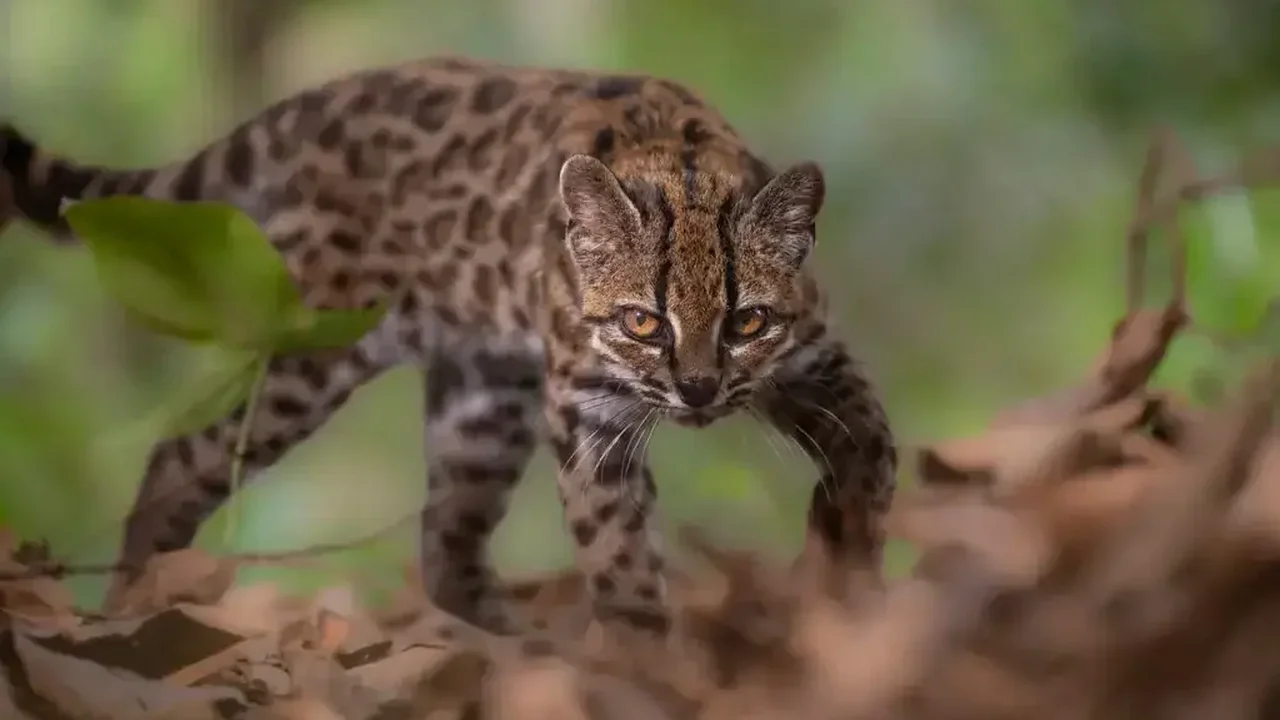
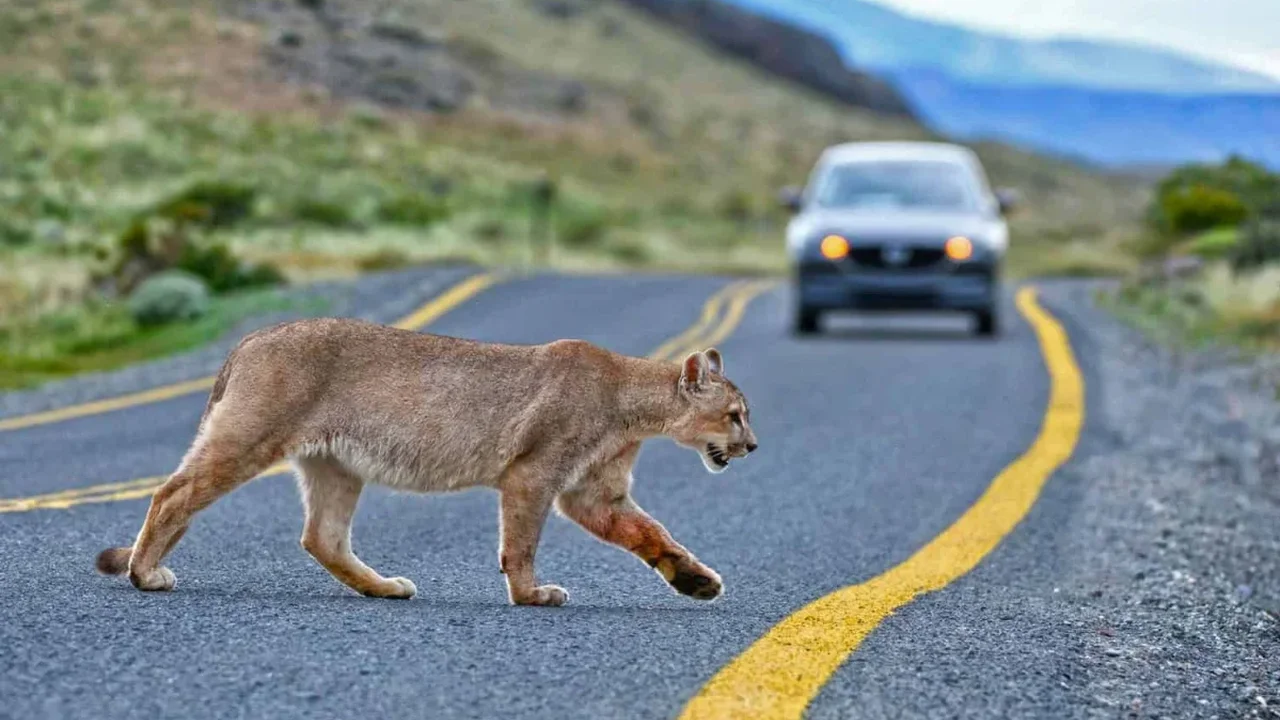
The findings, published in Current Biology, also align with broader chemistry seen across the cat family, including lions, tigers, leopards and lynxes. While the behavioral tests focused on domestic cats, the work opens a wider view of how felines may use biology to support recognition, territory and social structure. In the future, this line of research could reshape how scientists understand animal communication and kidney function together.