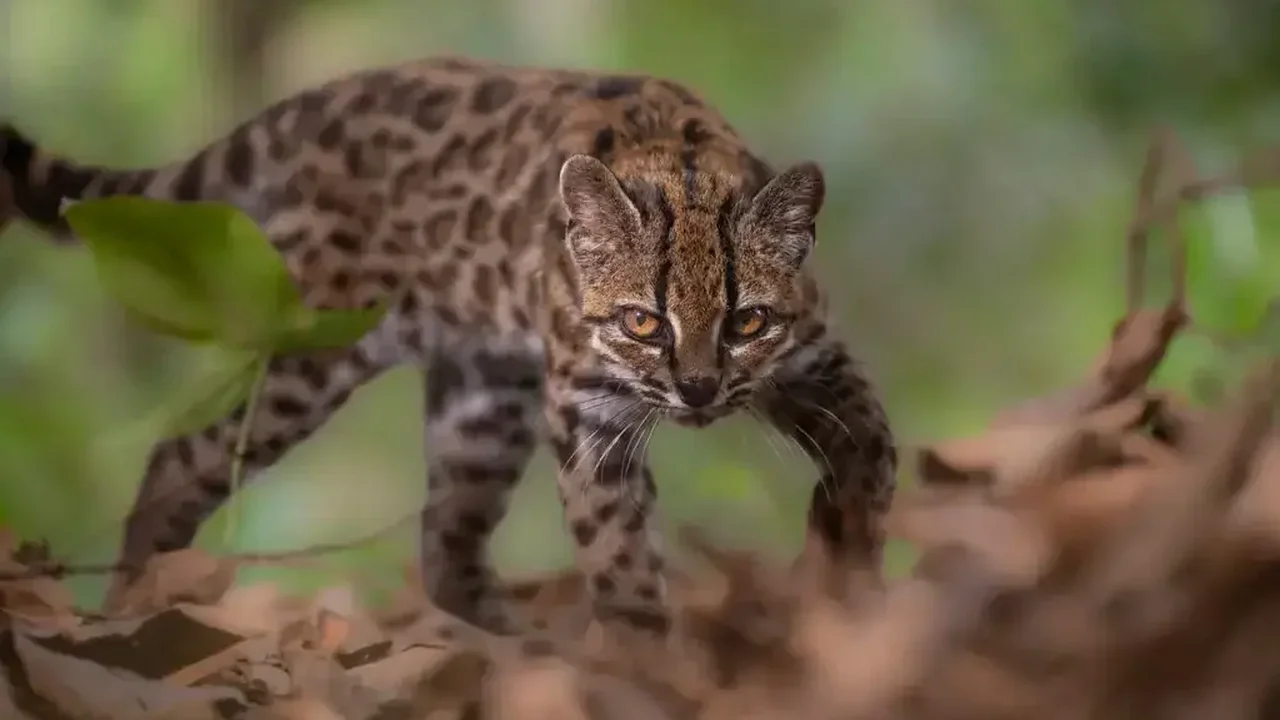
A small spotted wildcat once mistaken for a domestic kitten has helped scientists identify Leopardus tilcayo, the first newly named living cat species in more than a century.
Known locally as the tilcayo, the species was identified in Bolivia's Yungas cloud forests after researchers examined the unusual features of an adult male called Tigrino. The animal had spent about a year in a family home before being transferred to the Senda Verde Wildlife Sanctuary near La Paz.
Genetic evidence reshapes the tiger-cat family
An international research team compared whole genomes from 38 South American cats in the Leopardus genus, combining samples from living animals with historical museum specimens. Their analysis showed that wildcats collectively known as tiger cats represent five distinct species rather than a smaller number of broadly distributed groups.
The tilcayo forms a separate evolutionary branch, estimated to have diverged from its closest relatives around 1.43 million years ago. Genetic data also point to ancient interbreeding between its ancestors and a lineage now found in Peru.
Adult tilcayos measure roughly 42.5 to 50.5 centimeters in body length, excluding the tail. Their light-brown coat is marked by large, irregular dark rosettes, while their tail appears fuller than that of several closely related wildcats. These characteristics, together with genomic evidence, distinguish the species from the northern tiger cat.
A closer look at hidden biodiversity
The scientific classification was published in Current Biology. Researchers have so far documented only a small number of tilcayo records, making further field research important for understanding its distribution, behavior and ecology in Bolivia's forest landscapes.
The discovery highlights how modern genomics and museum collections can reveal overlooked biodiversity. As genetic tools become more accessible, they may continue to refine humanity's understanding of wildlife and inspire more precise approaches to protecting ecosystems.