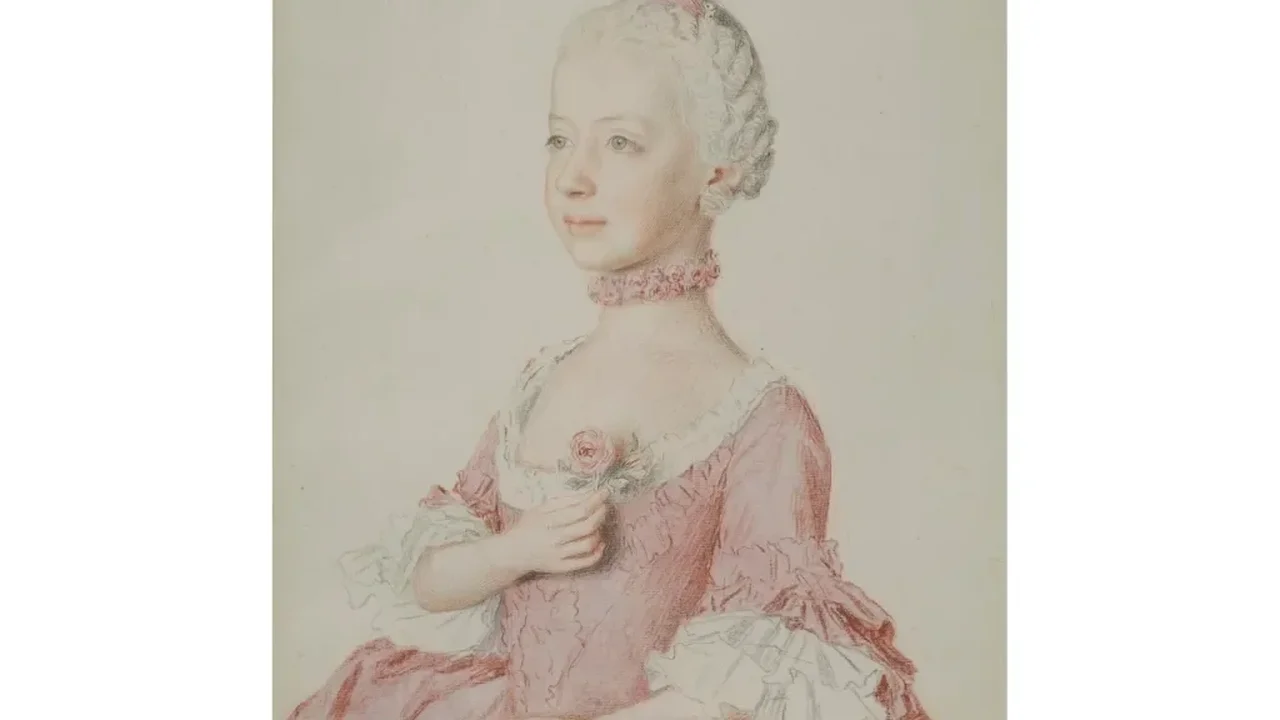
An interdisciplinary project is exploring whether artificial intelligence and biometric analysis can help identify the people depicted in centuries-old portraits. The research is presented alongside an exhibition at Geneva's Musée d'art et d'histoire (MAH), featuring 12 chalk drawings by 18th-century artist Jean-Étienne Liotard.
The project grew from a historical mix-up: a portrait long identified as Marie-Antoinette was later attributed to her sister, Marie-Caroline. Research into the two portraits helped clarify their identities, prompting scholars to ask whether facial-recognition technology could offer useful clues in similar cases.
AI as an additional research tool
Known as INTERART, the collaboration brings together the MAH, the University of Oxford, the University of Lausanne's School of Criminal Justice and Idiap Research Institute. Its team is examining whether systems designed to compare faces can be adapted to artworks, where an artist's style, technique, pose and lighting can significantly alter a sitter's appearance.
The technology is not expected to deliver definitive identifications. Instead, it may indicate probabilities or suggest possible matches for researchers to investigate. The team stresses that AI would complement, not replace, established art-historical methods such as archival research, provenance studies, inscriptions and analysis of clothing and jewelry.
The exhibition, titled Liotard & Marie-Antoinette: Faces Under Investigation, includes portraits of the children of Empress Maria Theresa of Austria and a drawing of their father, François-Étienne de Lorraine. The works' titles have been updated to reflect the sitters' identities. The exhibition is scheduled to remain on view through February 7, 2027.
As the project develops, AI could help researchers generate new leads for portraits whose sitters remain unknown, while leaving final interpretation in human hands.