Community-led archaeology on the Scottish island of Lismore has uncovered evidence of a flourishing early medieval monastery, revealing a centre of worship and skilled production that had long been known only through historical accounts and local tradition.
Work began in 2016, when the Lismore Historical Society teamed up with archaeologists to investigate the area around the island's parish church. The site is associated with Saint Mo Luóc, who is believed to have founded a religious community there in the sixth century.
A centre of worship and craftsmanship
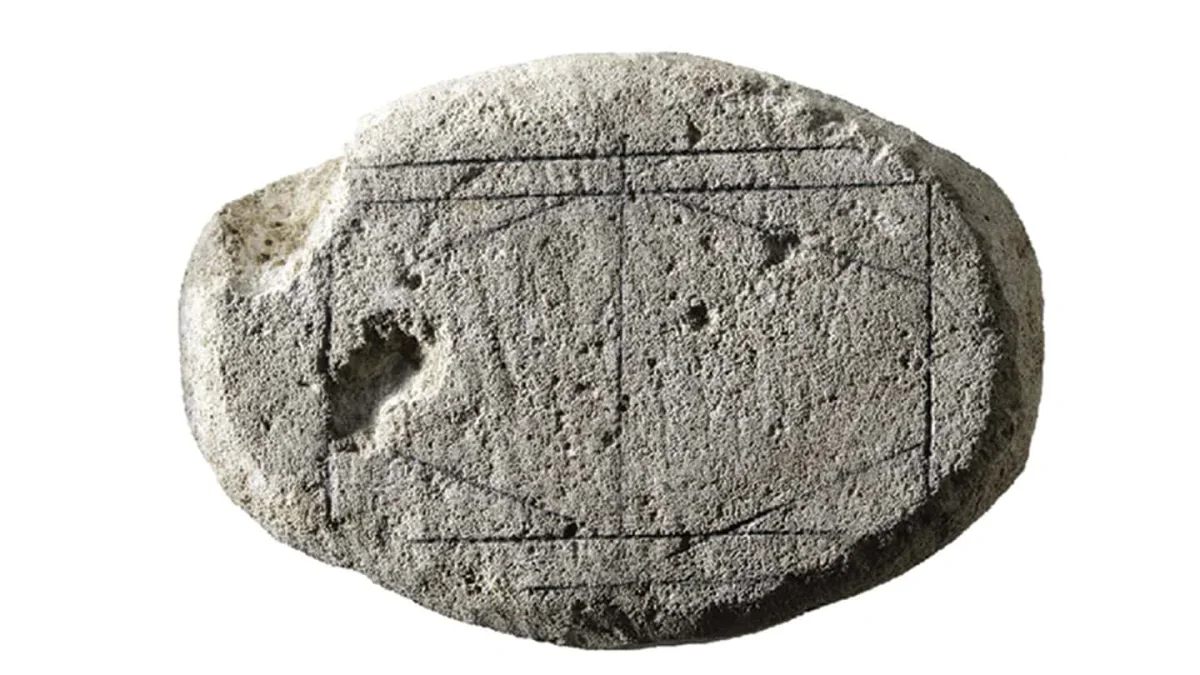
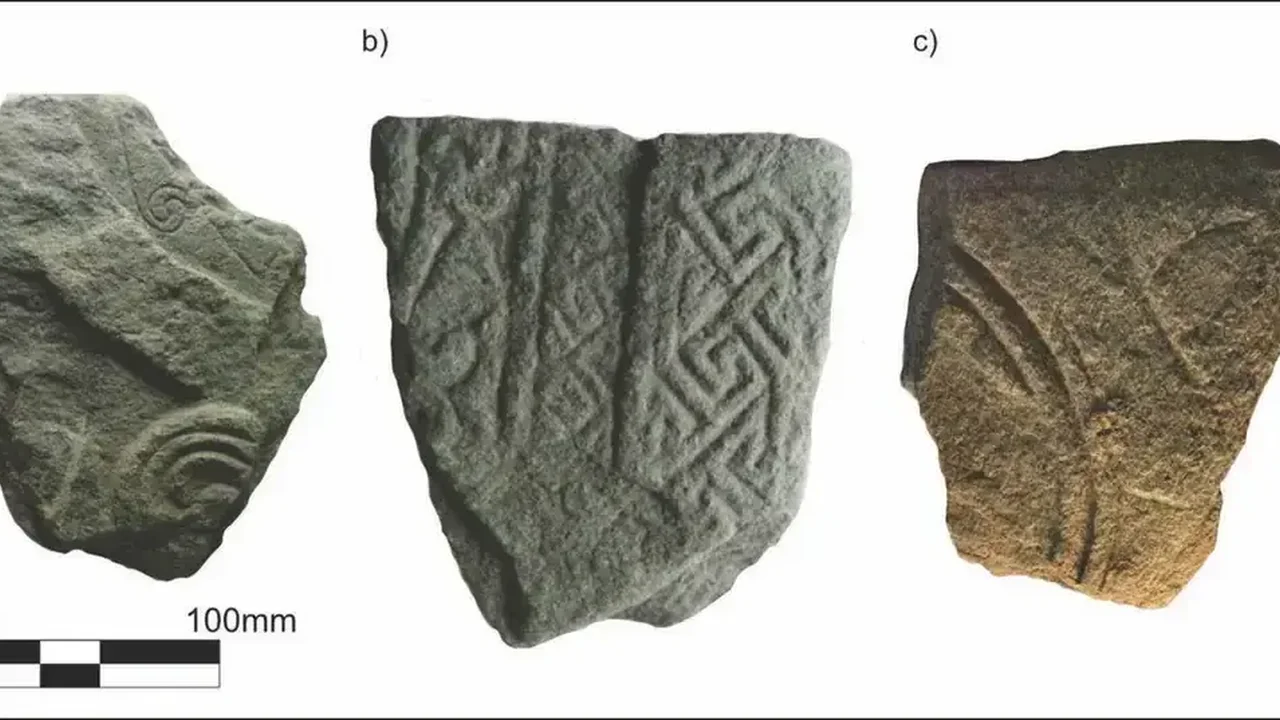
Excavations revealed an early medieval cemetery, carved stone-cross fragments and the remains of an oval stone building, about eight metres across. Dating evidence places activity at the building between roughly the eighth and tenth centuries. Some cemetery burials date as far back as AD 650-780.
Researchers also recovered around 1,000 fragments from metalworking, including 187 crucibles and 742 pieces of casting moulds. Analysis detected copper alloys, as well as traces of silver and gold. The moulds included examples used to make decorative penannular brooches, suggesting that craftspeople produced objects requiring considerable skill.
These finds indicate that Lismore's monastery was more than a place of prayer: it supported specialist craftwork and may have benefited from wealthy patrons. Its position near important sea routes linking Scotland's western coast with the Highlands could also have helped the community thrive.
The research, published in the journal Antiquity, suggests Lismore may have held a place among the influential religious centres of early medieval Britain. Further investigation could clarify the monastery's boundaries and reveal more about the people who lived there. The discoveries show how local collaboration can reshape historical understanding, while future work may bring the island's wider role into sharper focus.