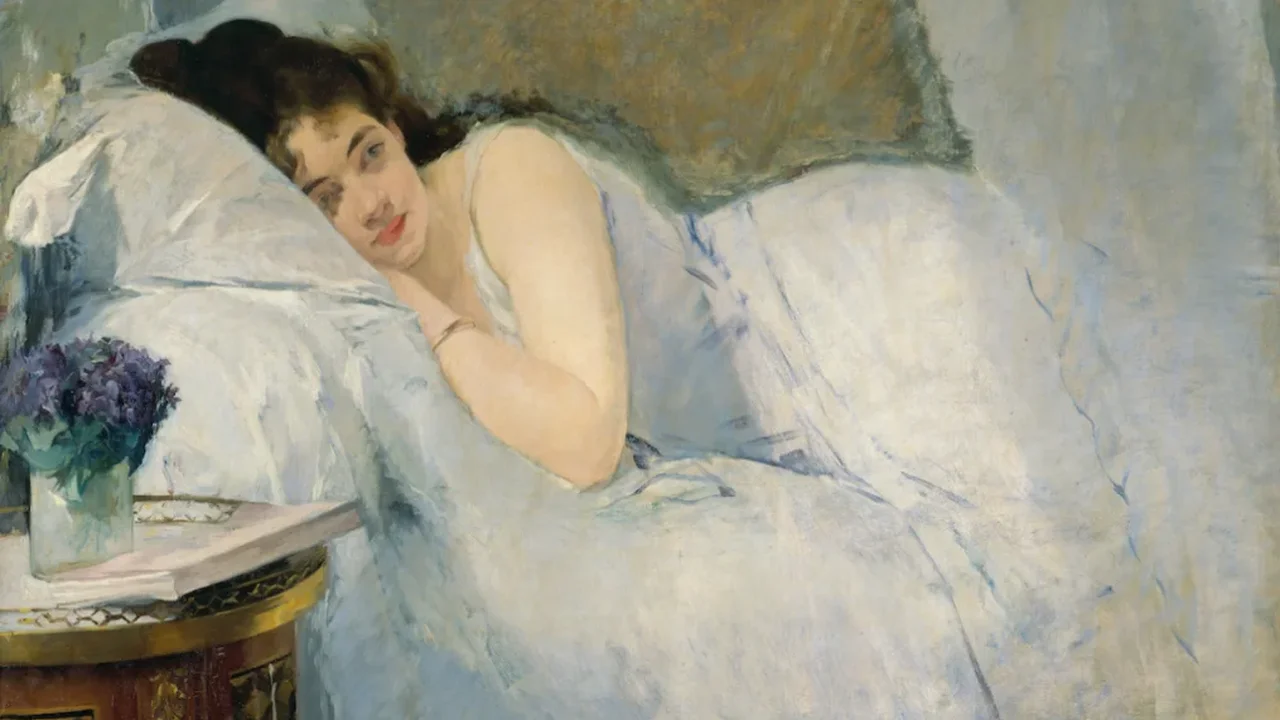
The Petit Palais in Paris is giving Eva Gonzalès a long-awaited spotlight with "Eva Gonzalès (1847-1883): A Free-Spirited Artist's Journey." The exhibition brings together around 70 works and presents the artist on her own terms, rather than defining her through her connection to Édouard Manet or Impressionism.
Gonzalès is often remembered as Manet's only formal pupil, but she pursued her own path and never took part in the Impressionist exhibitions. Like Manet, she sought recognition through the official Salon. The retrospective traces her artistic development through portraits, scenes of everyday life and works in pastel, while exploring her artistic partnership with her husband, Henri Guérard.
New research, a clearer picture
Research for the exhibition has revised Gonzalès's birth year from 1849 to 1847 and prompted new dates and titles for several paintings. The show also includes Le Moineau, a pastel portrait of a young girl that had been missing from view for decades.
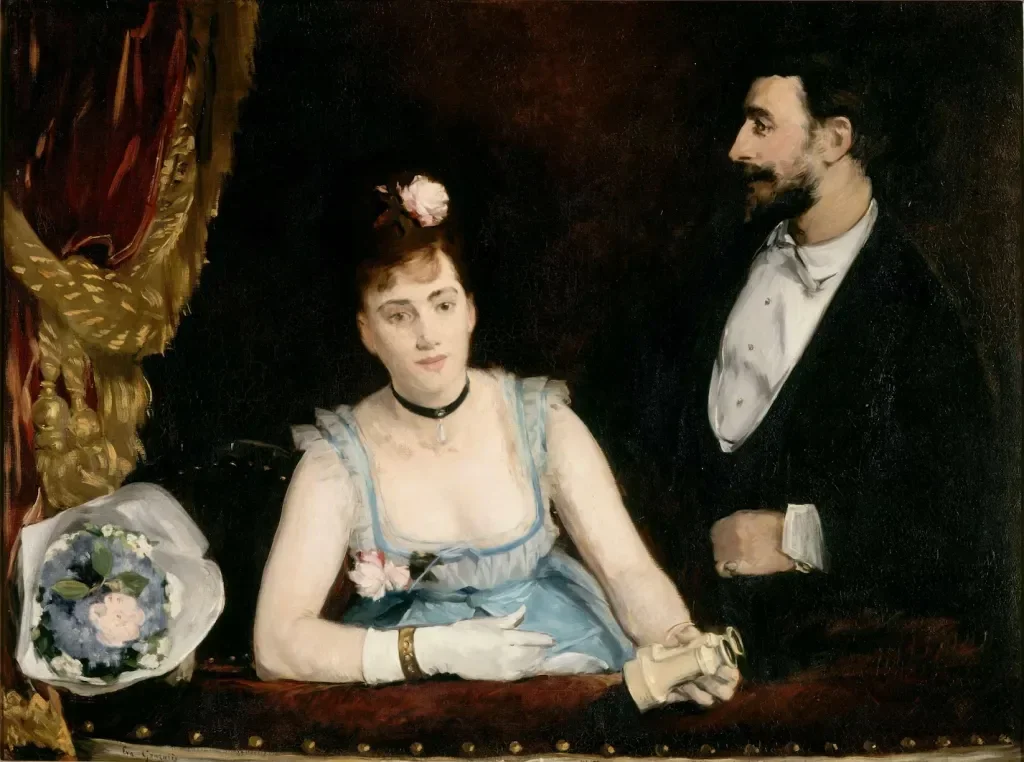
The selection reveals a changing style: from carefully finished compositions to more expressive brushwork and increasingly bold color. Among the works on view are Manet's portrait of Gonzalès and her own Une loge aux Italiens, alongside pieces that highlight her command of pastel.
Although Gonzalès achieved recognition during her lifetime, her legacy has often been less visible in art history, partly because her work is dispersed across private collections and is not widely represented in French national museums. By gathering a substantial body of work and re-examining its context, the Petit Palais offers visitors a fuller view of her contribution. Renewed attention to artists such as Gonzalès can broaden how future generations understand the many paths that shaped modern art.