What artwork would experienced collectors choose if museum walls placed no limits on private ownership? A survey of leading global collectors reveals a vivid cross-section of art history, from Renaissance masterpieces to ambitious installations that reshape the meaning of space.
Masterpieces That Continue to Inspire
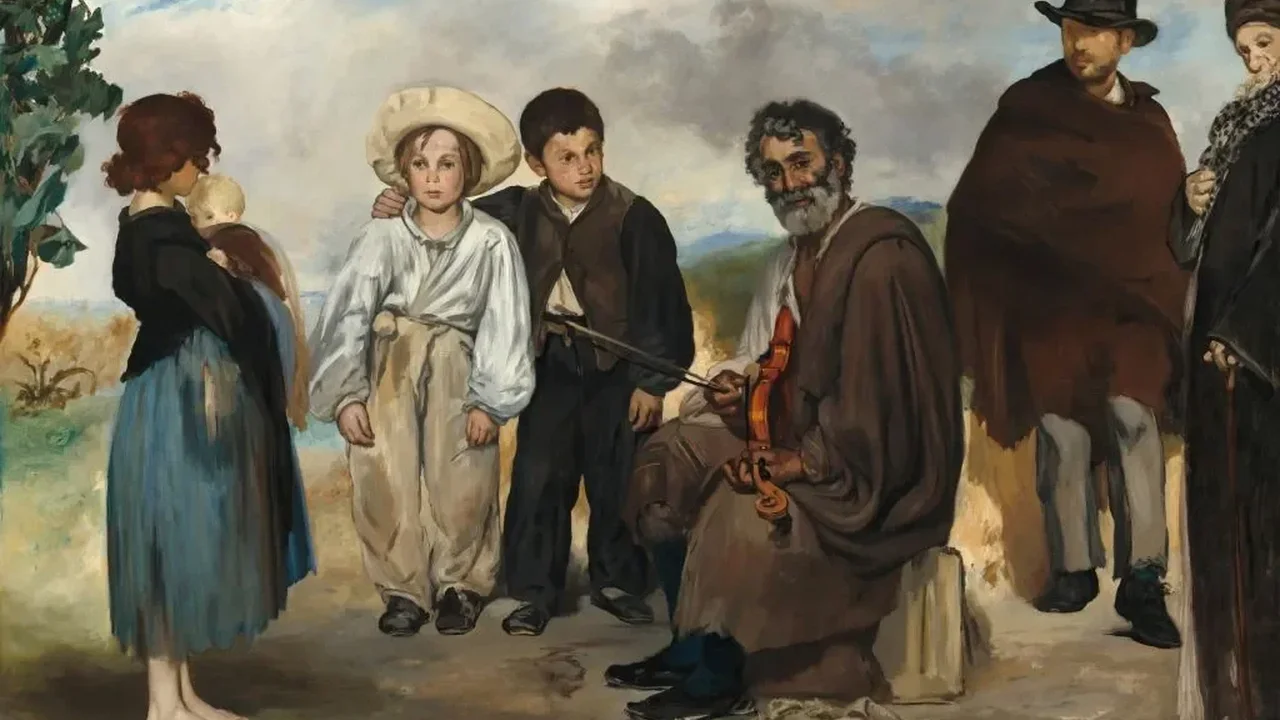
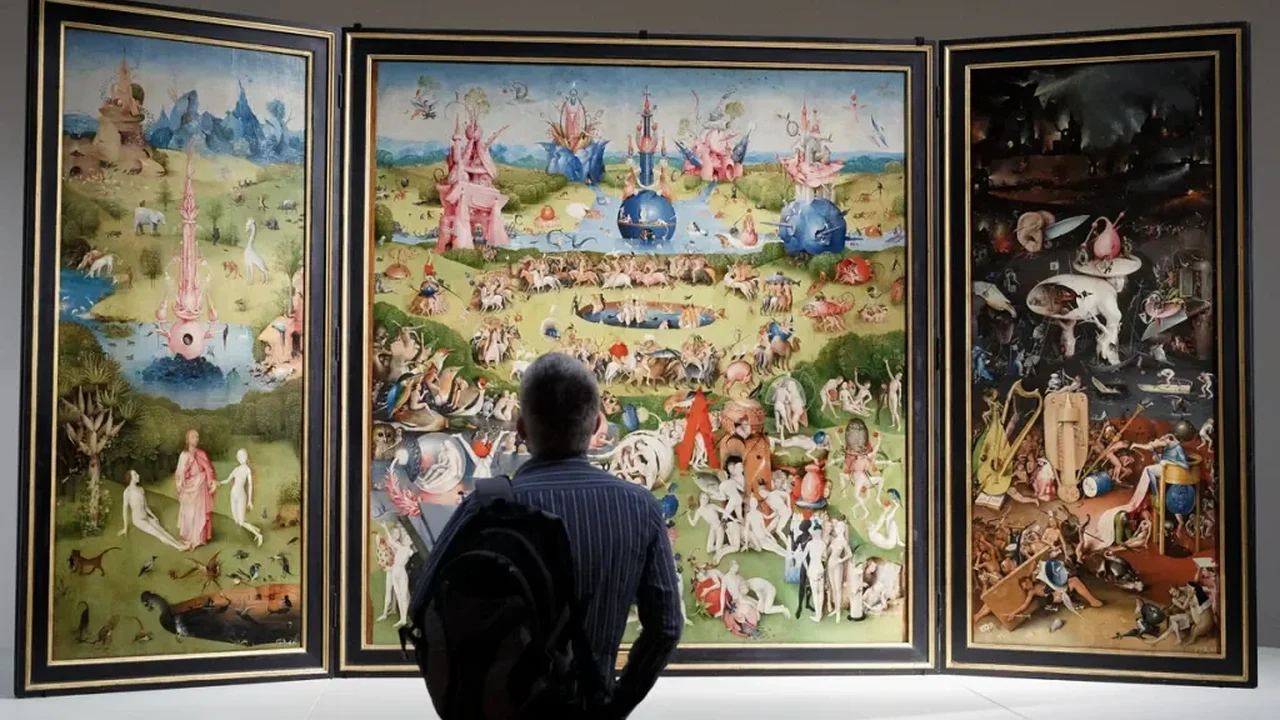
Hieronymus Bosch's The Garden of Earthly Delights emerged as a shared favorite, selected for its extraordinary detail and enduring mystery. Works by Édouard Manet also drew repeated attention, including Le Déjeuner sur l'herbe and A Bar at the Folies-Bergère, reflecting collectors' continued fascination with pivotal moments in modern painting.
Other choices ranged across centuries and artistic languages: Leonardo da Vinci's Mona Lisa, Rembrandt's early Self-Portrait, Piero della Francesca's Montefeltro Altarpiece, and Kazimir Malevich's radical experiment with color and form.
Beyond the Limits of a Private Collection
Several selections highlighted art that resists conventional ownership. Walter De Maria's The Lightning Field and Robert Smithson's Spiral Jetty were chosen for their scale and relationship with the landscape. These works underline how some of art's most memorable experiences depend on place, duration and public access.
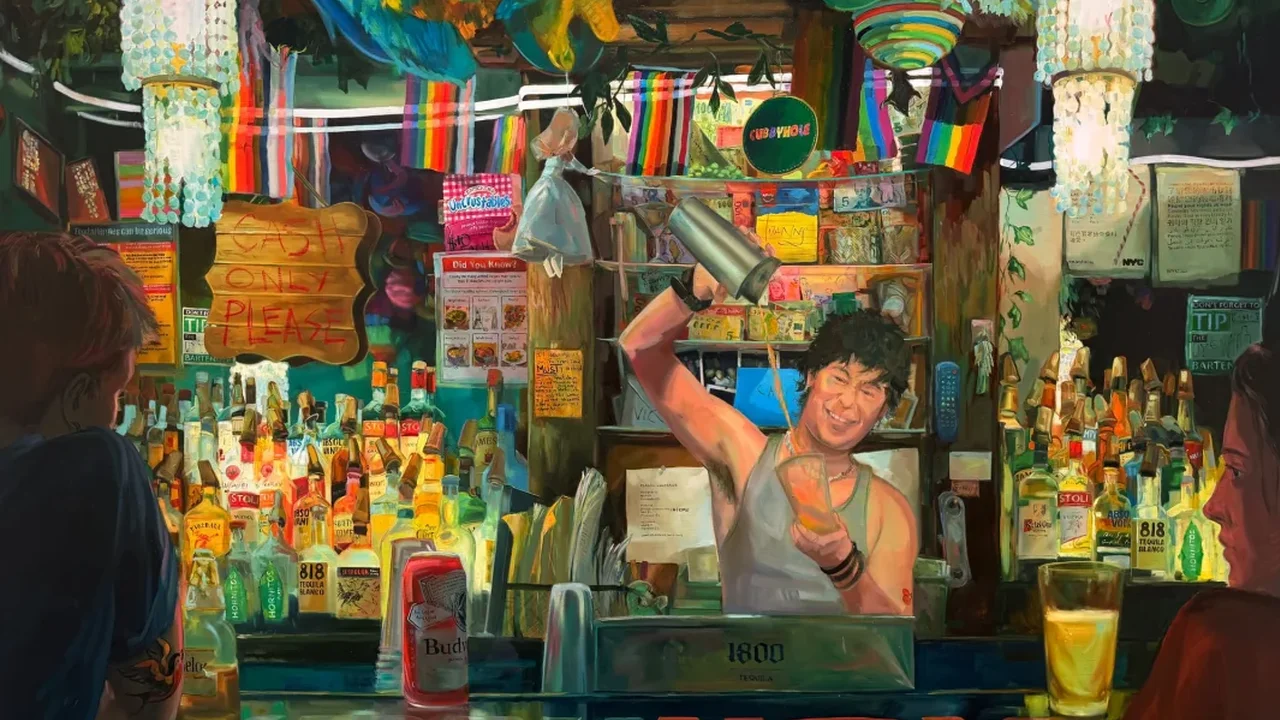
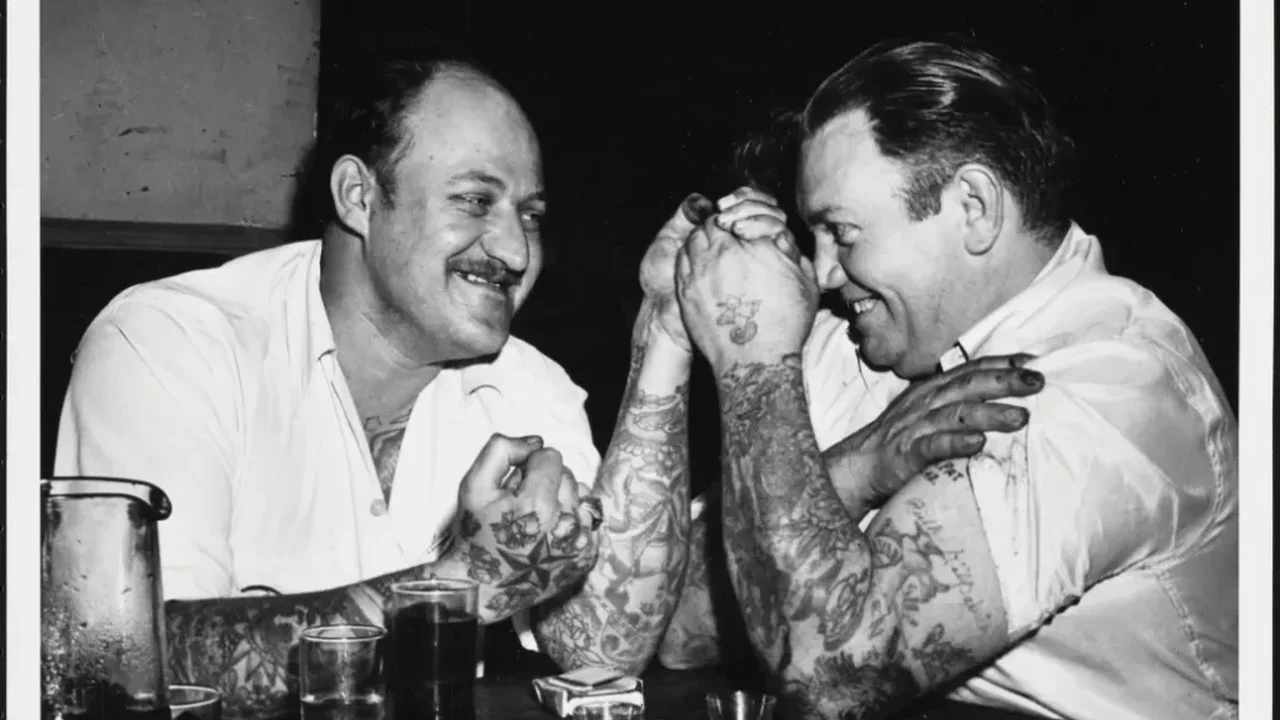
Collectors also pointed to Robert Rauschenberg's Monogram, Frank Bowling's Raining Down South, Tehching Hsieh's Time Clock Piece and John Valadez's Pool Party. Together, the choices show an appreciation not only for celebrated names, but also for works that expand the boundaries of material, performance and cultural memory.
One collector's decision to donate a beloved painting to a museum captured a defining idea: the pleasure of art can grow when it is shared. As collecting increasingly connects private passion with public culture, museums may become even more central spaces for intergenerational creative dialogue.