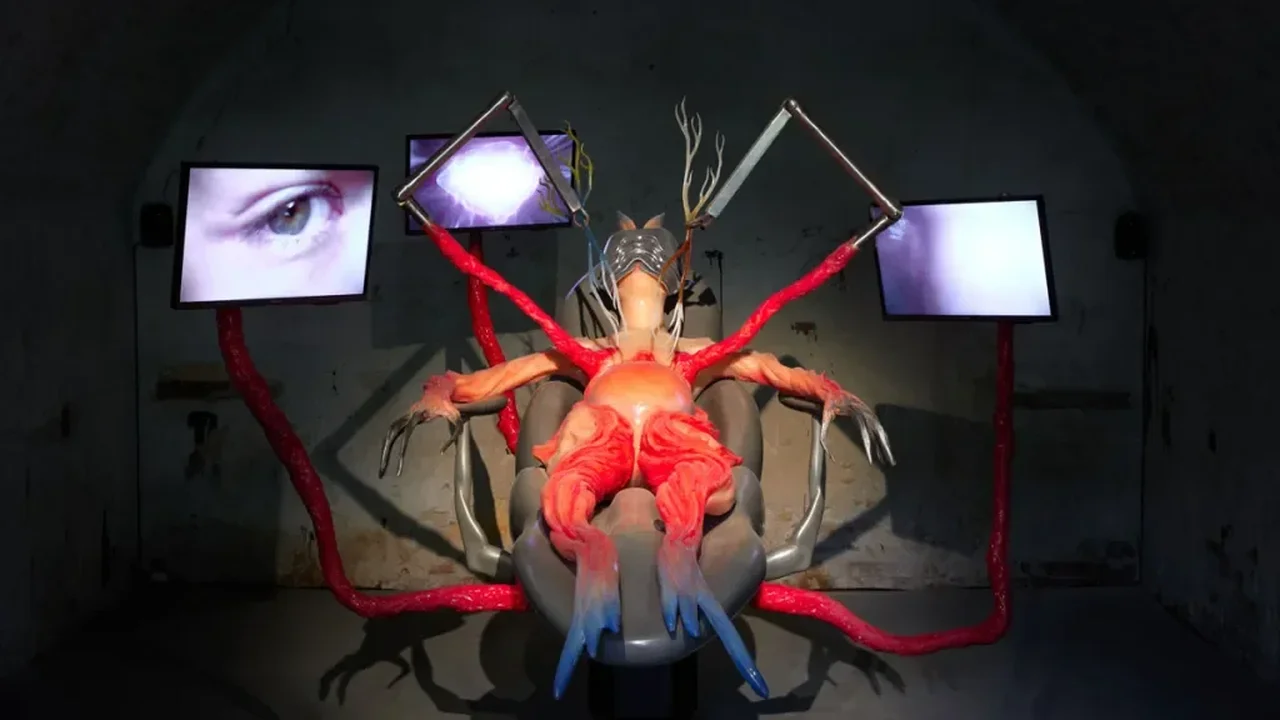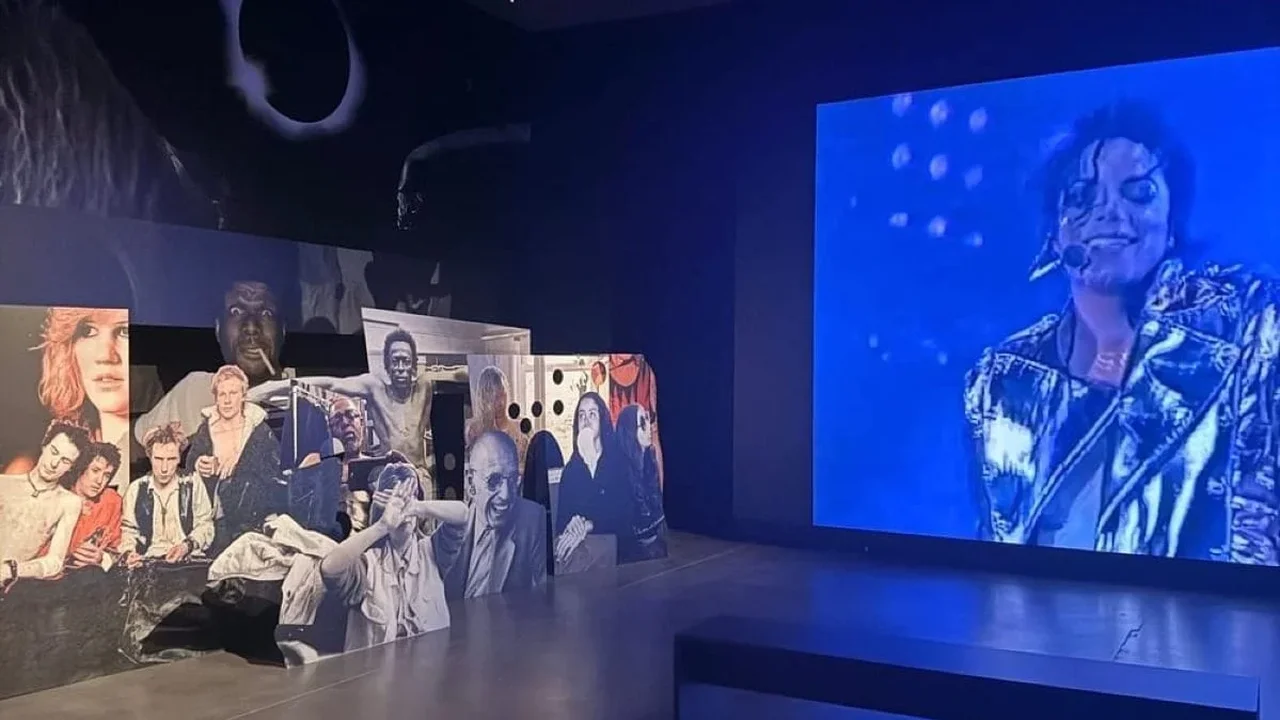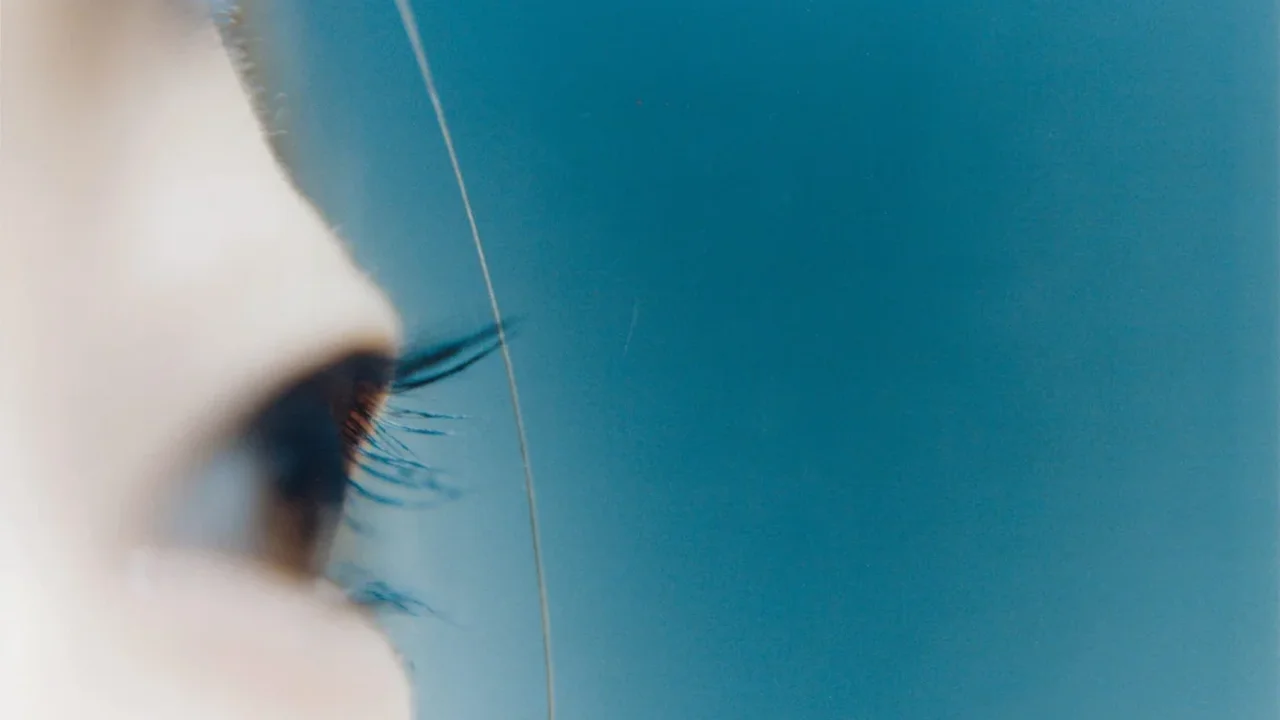
The New Museum is tracing the cultural evolution of New York's Bowery through "The Bowery: Devil's Mile," an exhibition that follows the district from an early route through Lower Manhattan to a vibrant center of working-class entertainment, performance and artistic experimentation.
Located between Cooper Square and Chinatown, the Bowery has continually reinvented itself. Its history includes theaters, music venues, variety halls, galleries and independent businesses, making the street an enduring meeting point for urban culture and creative communities.
A layered archive of city life
The exhibition brings together historical maps, prints, advertisements, tickets, songbooks and other archival materials to illustrate how entertainment and everyday life developed along the avenue during the 19th century. Materials from the New York Public Library and local collections help position the Bowery as an important early model for New York's public culture.
A restored 1836 volunteer fire pump wagon is among the objects connecting civic history with the neighborhood's distinctive visual language. The presentation also explores how artists and documentarians interpreted the Bowery across generations, shifting from historical record toward more personal and conceptual forms of expression.
Artists shaping the Bowery narrative
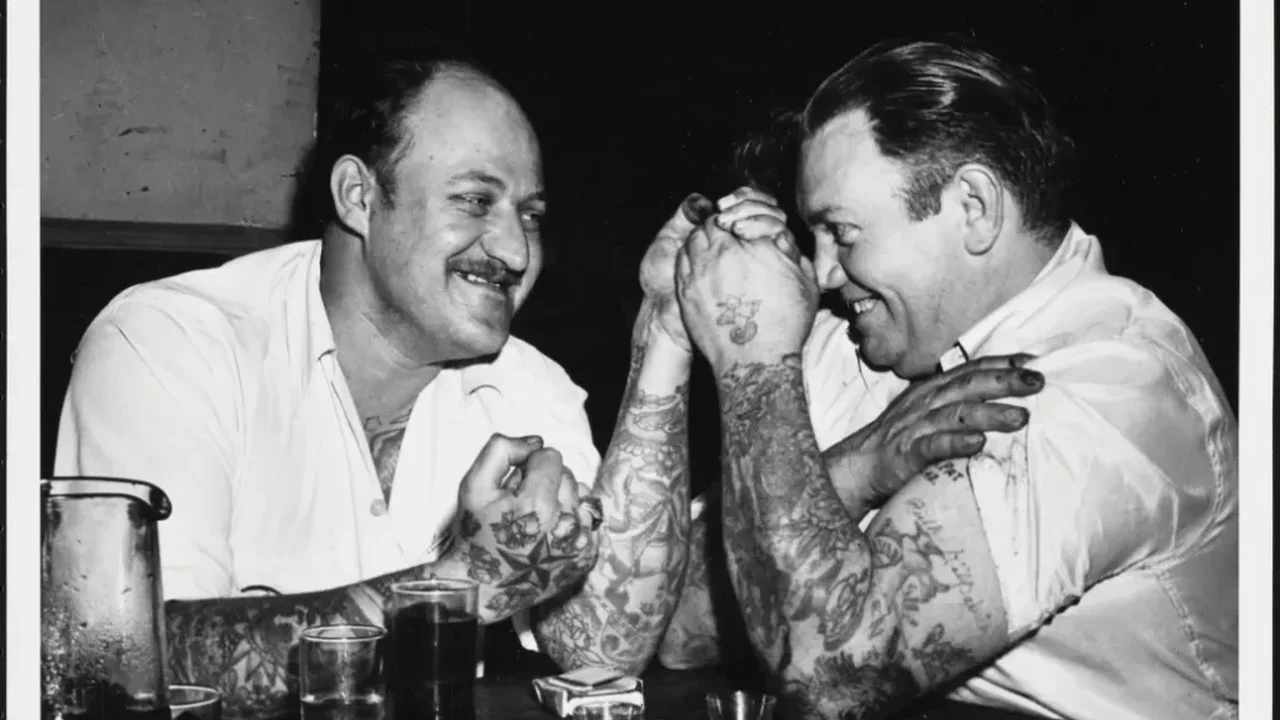
The show includes work associated with Jacob Riis, Martha Rosler, Berenice Abbott, Weegee, Harvey Wang and Reginald Marsh. Together, these perspectives reveal how the Bowery became both a real place and a powerful artistic subject.
Later sections turn to the creative communities that helped define the area's modern identity. Works connected to CBGB, Nan Goldin, Billy Sullivan, Lynda Benglis, Eva Hesse and Tom Wesselmann reflect the energy of the Bowery's loft culture and independent art scene.
Brad Kalhammer's expansive Bowery Nation, assembled from found materials, anchors the exhibition's sense of local imagination and collective memory. By placing the New Museum within this longer cultural timeline, "Devil's Mile" presents the institution as part of an evolving creative corridor rather than a separate destination.
The exhibition suggests that preserving neighborhood stories can inspire future cultural spaces that are more connected to community, experimentation and the layered identities of cities.