New York's fall 2026 art calendar is set to move from landmark retrospectives to forward-looking commissions, turning the city into a wide-ranging map of artistic memory, identity, and experimentation.
Big names, new readings
Several major museums are spotlighting artists who helped define modern and contemporary art. The Metropolitan Museum of Art will present Lee Krasner and Jackson Pollock together in a major survey, while Whitney Museum of American Art will trace Roy Lichtenstein across nearly 150 works. At Museum of Modern Art, Constantin Brancusi takes center stage through sculpture, studio materials, and archival traces.
Contemporary art with social vision
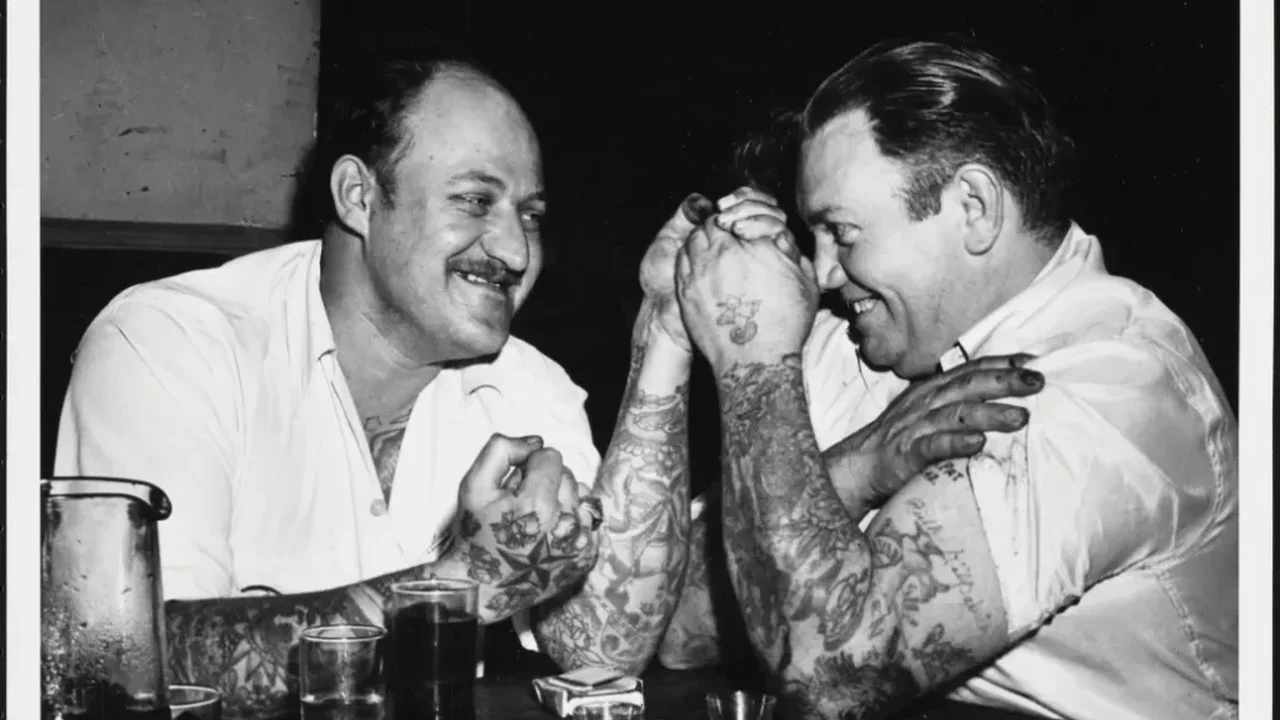
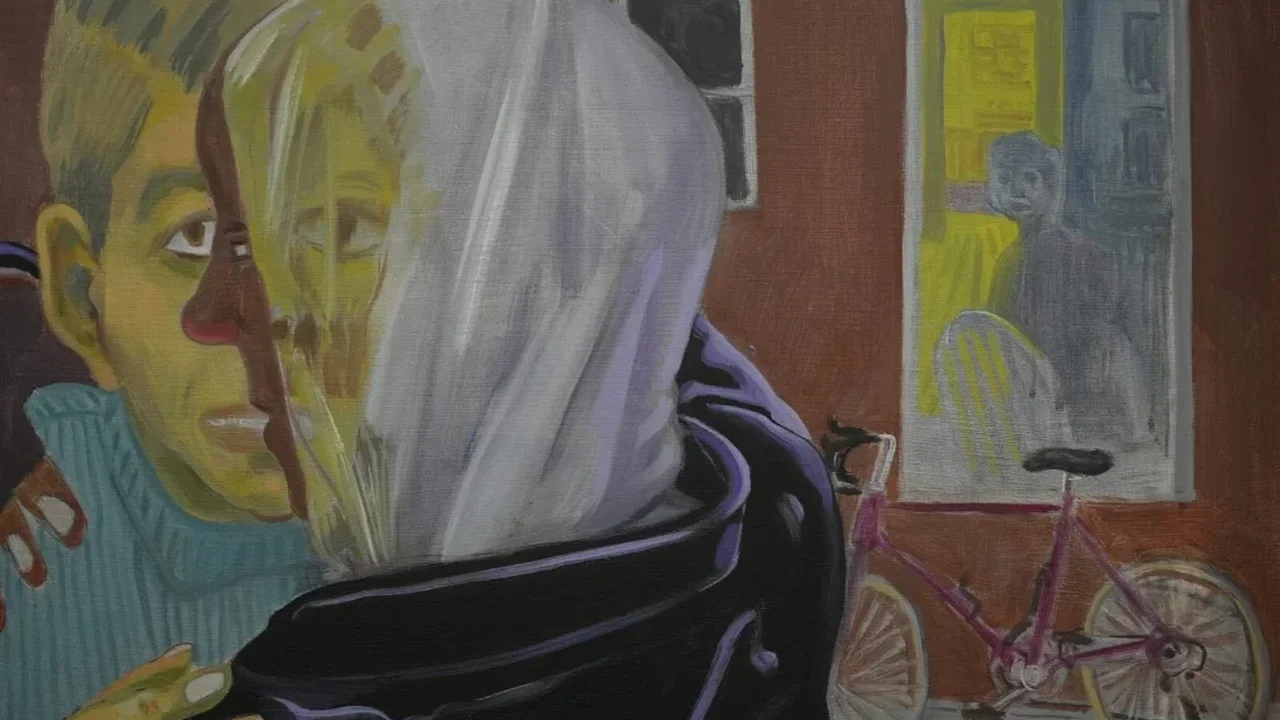
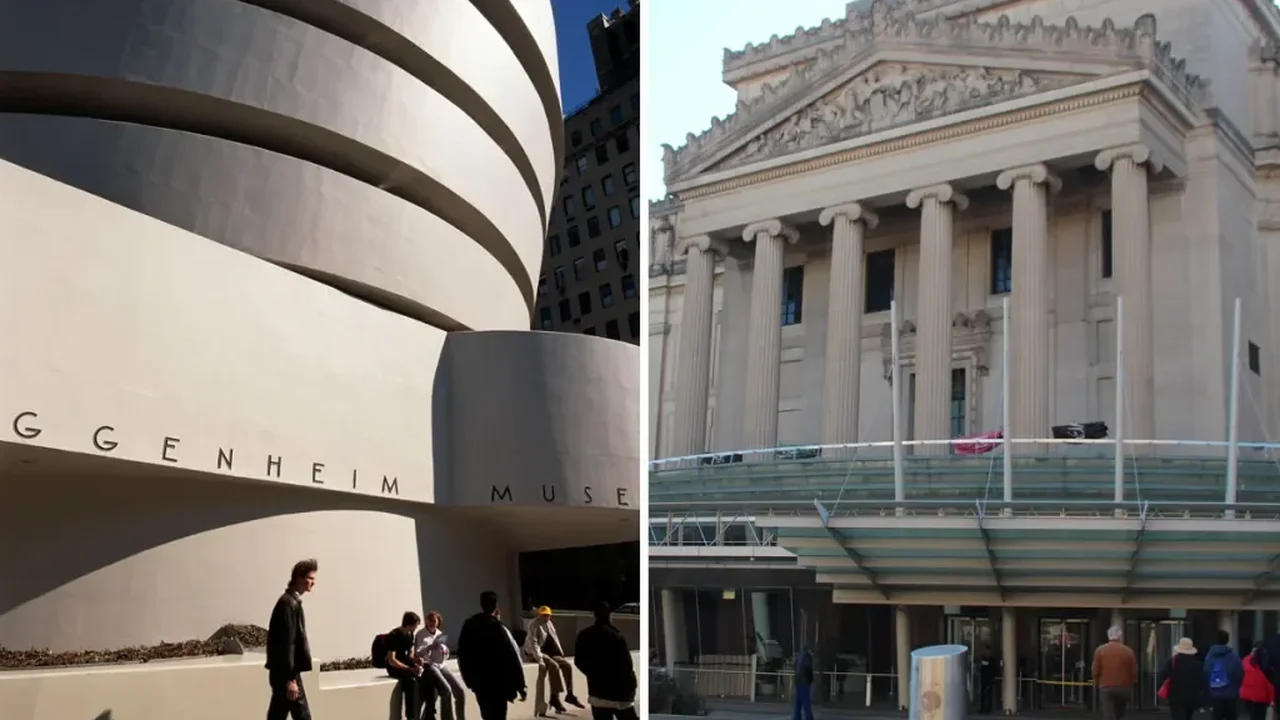
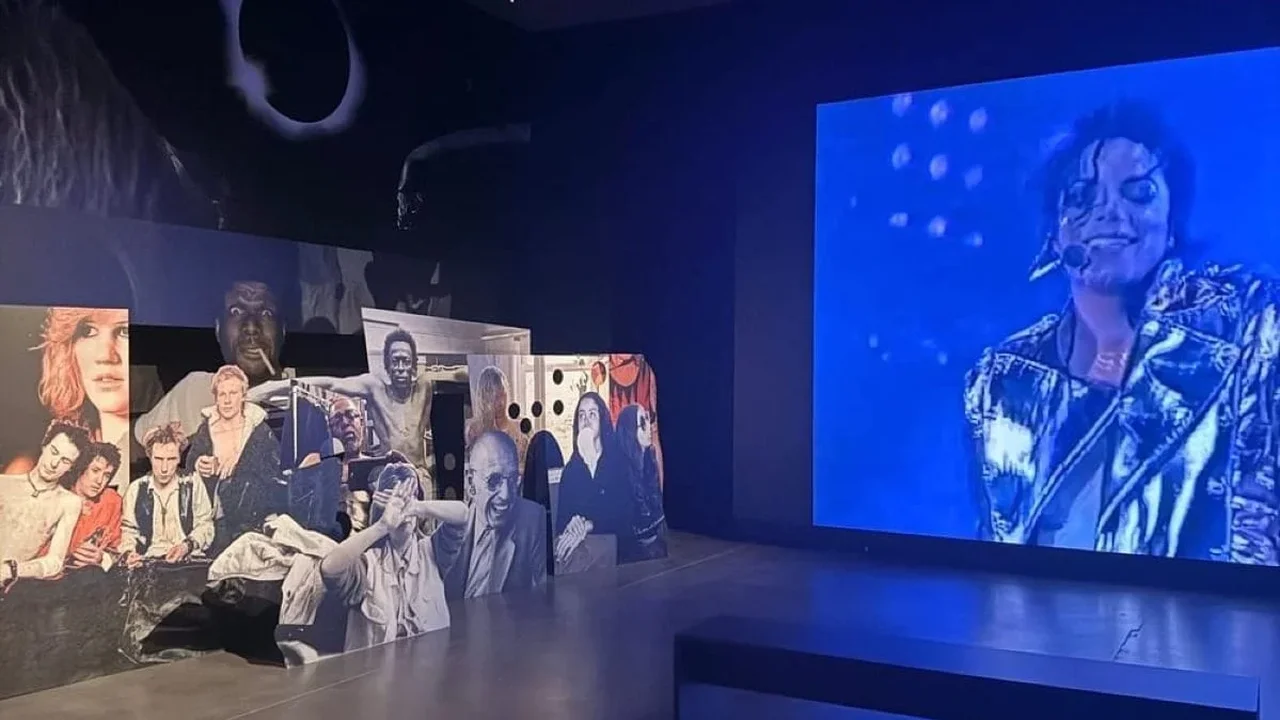
The season also highlights artists reshaping how museums tell stories. Arthur Jafa at the New Museum expands a four-decade practice rooted in Black visual culture, while Taryn Simon at the Solomon R. Guggenheim Museum uses 42 works to examine systems of justice and power. At MoMA PS1, Teresa Margolles and Masao Gozu bring distinct perspectives on place, memory, and urban life.
Craft, culture, and collective memory
Across the city, exhibitions are also turning attention to craft traditions, community histories, and cross-cultural exchange. The Brooklyn Museum will present Hopi Kachina Dolls and Art of Manga, while El Museo del Barrio revisits collaborative and queer Chicanx histories through Teddy Sandoval. At the Museum of the City of New York, shows on Lenape legacies and New York activism connect heritage with civic life.
Design, fashion, and future forms
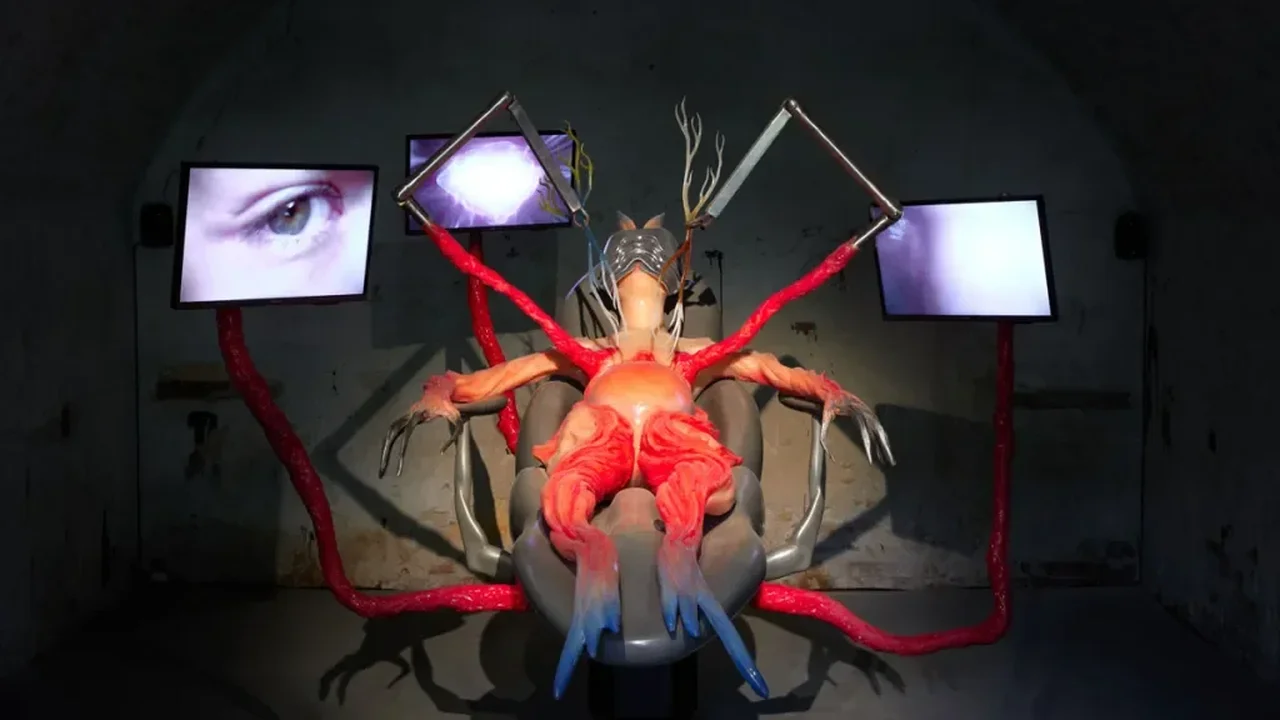
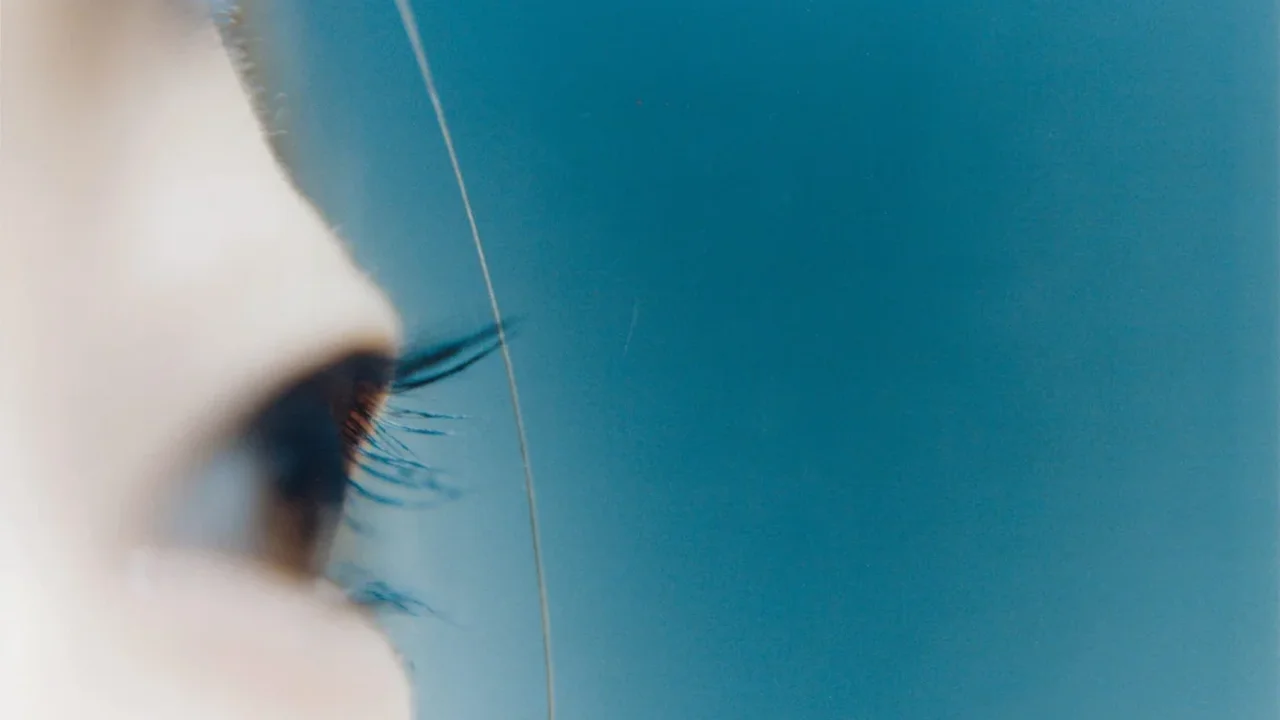
Fashion and design also play a strong role this season. Iris van Herpen brings her sculptural approach to the Brooklyn Museum, and the Museum at FIT explores doll dressing as a lens on style and imagination. Meanwhile, artists such as Stephanie Dinkins, Na Mira, and Arakawa and Madeline Gins point toward new conversations between technology, ecology, and the human form.
Altogether, the season reflects a New York art world that is both rooted in history and open to new ways of seeing, suggesting a future where museums become even more dynamic spaces for dialogue and cultural imagination.