A Ho-Chunk artist's relationship with water takes shape in wood, metal and cultural memory
A major retrospective at the National Museum of the American Indian explores how Truman Lowe's art connects water, landscape and Ho-Chunk culture. The exhibition, Water's Edge: The Art of Truman Lowe, is arranged around four themes: Landscape and Place, Woodland Structures, Memory, and Shared Knowledge.
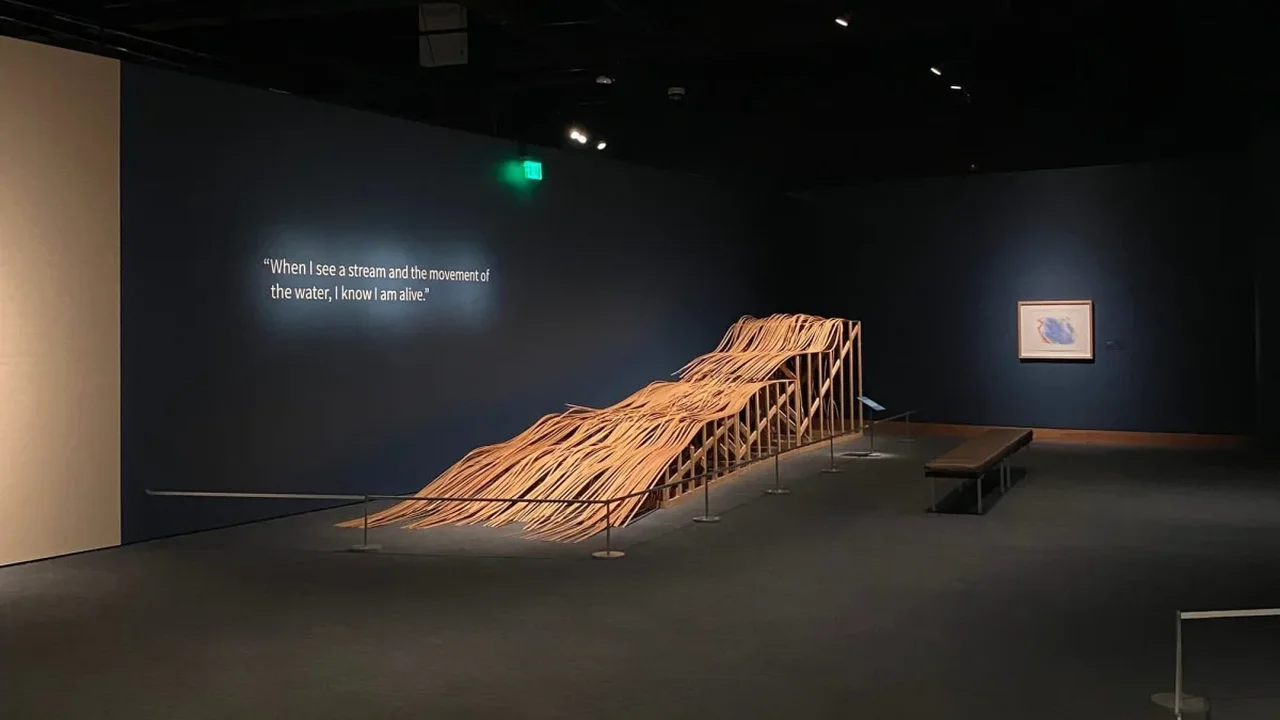
In "Ottawa" (1992), pine and peeled willow saplings curve like flowing currents, reflecting Lowe's idea that wood can carry the movement of water. Other works draw on the cultural significance of the number four, using repeated forms and materials to express continuity and permanence.
Across sculptures made from natural materials and metal, Lowe translates a personal bond with rivers into forms that invite viewers to consider how place and memory shape artistic expression. The retrospective highlights how Indigenous perspectives can broaden future conversations about art, nature and cultural knowledge.