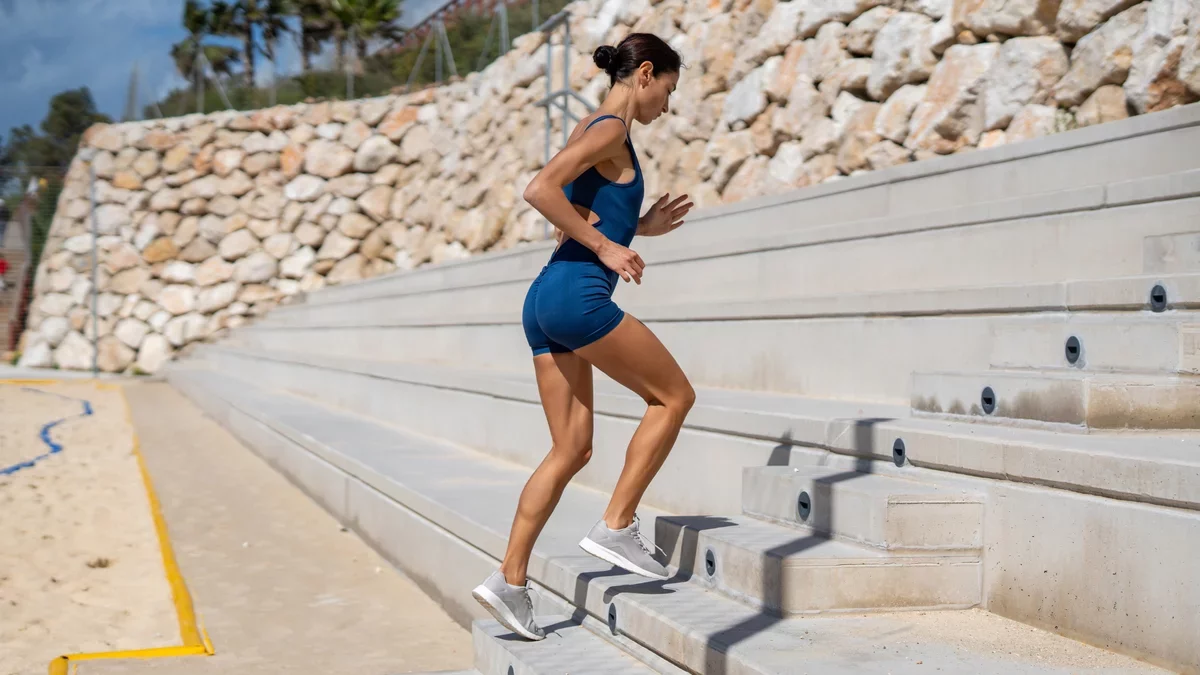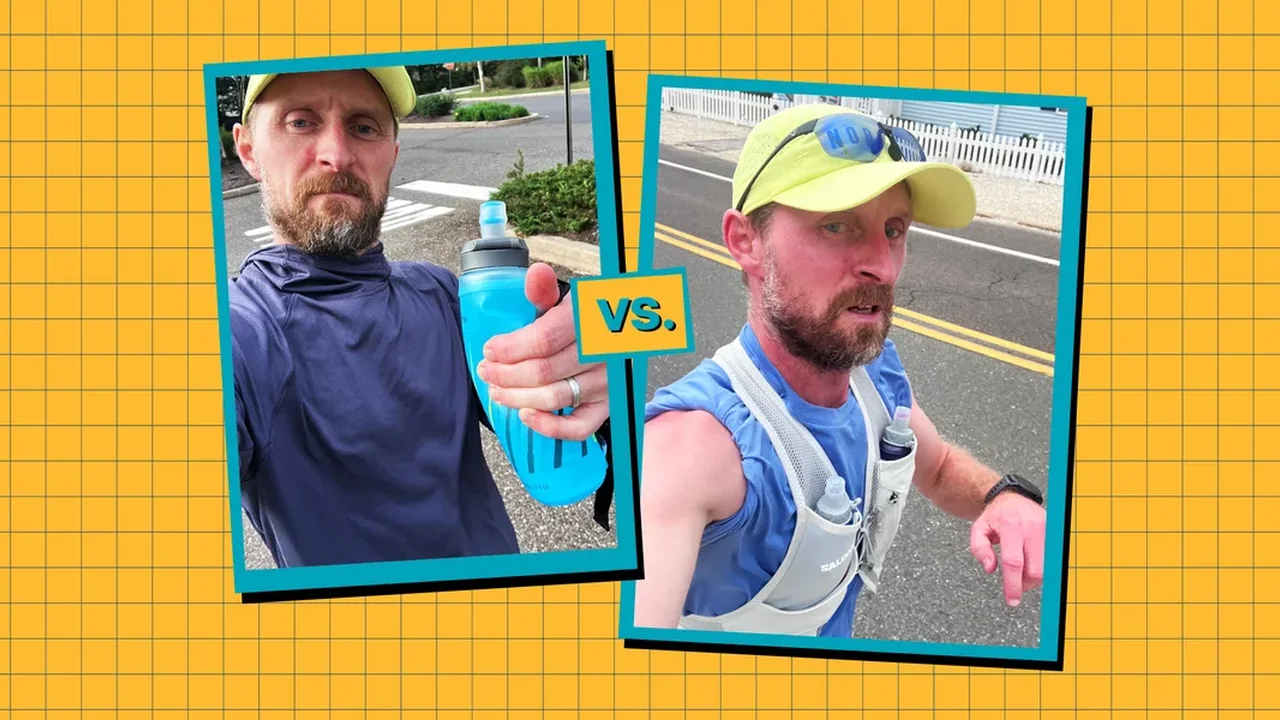
For runners, hydration is not just about carrying water--it is about maintaining comfort, rhythm and focus over changing distances and conditions. The best choice between a handheld bottle and a hydration vest depends on personal sweat rate, weather, pace and the duration of the run.
Handheld bottles: simple for shorter routes
Handheld bottles offer an accessible, low-maintenance solution for runners who want a compact amount of water without extra gear. Usually built around a soft flask and hand strap, they are quick to fill, easy to clean and well suited to shorter training sessions.
However, carrying water in one hand can feel different from a natural running stride. Runners who prefer unrestricted arm movement, frequently adjust clothing or carry additional essentials may find a bottle less practical over longer distances. A secure, comfortable strap is essential for making this option feel effortless.
Hydration vests: capacity and hands-free freedom
Hydration vests and packs are designed for runners who need more water, fuel and storage. Their front flasks or rear reservoirs can support longer road runs, trail routes and race preparation while leaving both hands free.
Beyond fluid capacity, vests provide space for nutrition, keys, a phone and lightweight layers. Their main advantage is balance: water weight is distributed across the torso rather than concentrated in one hand. The key consideration is fit. A vest should sit close to the body without restricting breathing, helping reduce movement as pace changes and water levels drop.
How to choose
There is no single solution for every runner. A handheld bottle may suit those who run shorter distances or want the lightest possible setup. A vest can be a stronger option for extended sessions, warm conditions or routes without convenient refill points.
Testing equipment during training is the smartest approach. Consider the expected distance, temperature, access to water and the amount of nutrition required. The goal is to choose the least distracting hydration system--one that supports consistent movement rather than competing for attention.
As running gear becomes more adaptive and lightweight, personalized hydration systems could help athletes train with greater comfort, confidence and precision.