A small red-chalk drawing held for decades in a private Italian collection is being examined as a possible previously unrecorded work by Édouard Manet.
The study portrays a young child crouching on the ground. Italian art historian Francesco Baccanelli began investigating the work after noticing an older attribution to Manet on its mount. He later shared it with French art specialist Emily Beeny, chief curator at San Francisco's Legion of Honor.
Technical and stylistic clues
Research scheduled for publication in The Burlington Magazine presents several arguments for the attribution. Ultraviolet examination revealed traces of what may be Manet's studio stamp, while the drawing's technique closely aligns with the artist's red-chalk studies from the 1850s and 1860s.
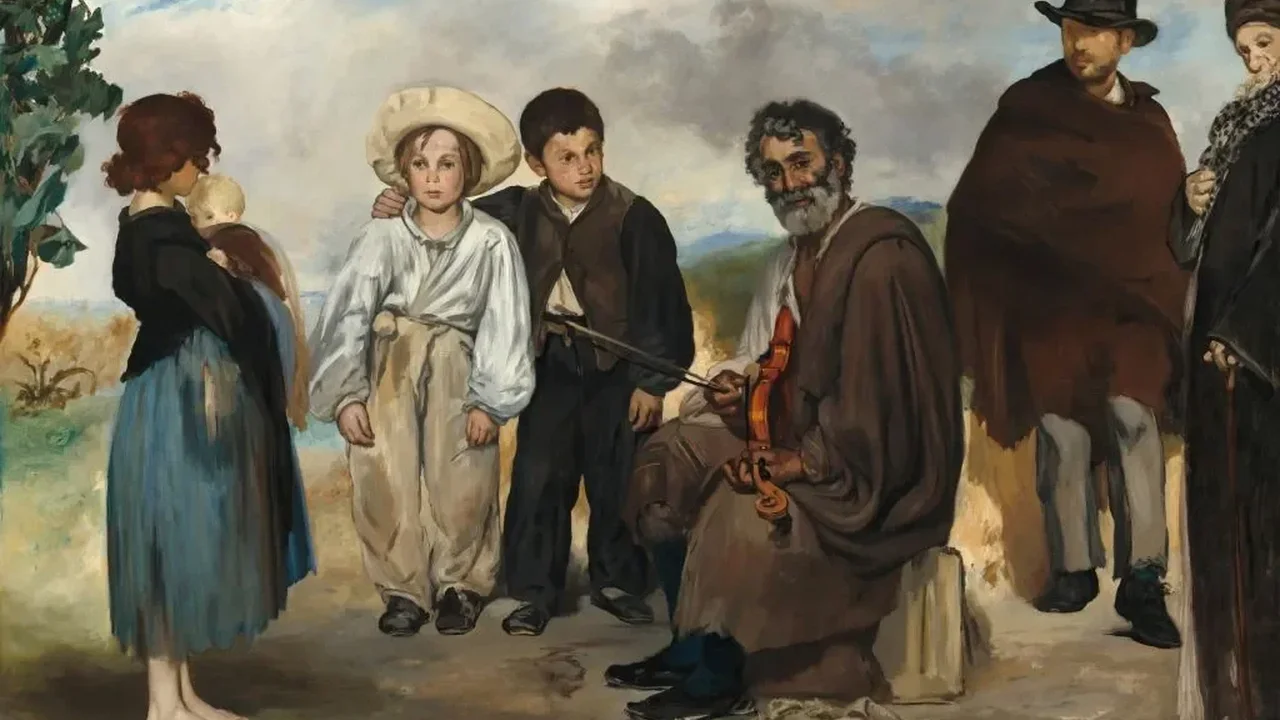
Its treatment of the figure's hands, contours, light and shadow reflects Manet's interest in Renaissance draftsmanship during this formative period. The child also recalls a young figure in Manet's 1862 painting The Old Musician, though the identity of the model remains uncertain.
One particularly intriguing detail is a grid drawn across the sheet. Such markings were often used to enlarge a composition for transfer to canvas, suggesting the work may have been a preparatory study for a painting that has not yet been identified.
Historical records show that the drawing appeared at auctions in Germany and Switzerland during the 1930s, but it was not incorporated into later Manet scholarship. It is now expected to be reviewed by the Wildenstein Plattner Institute for possible inclusion in a future catalogue raisonné.
If confirmed, the discovery could offer a fresh perspective on Manet's working methods and demonstrate how new technology continues to reshape the understanding of art history.