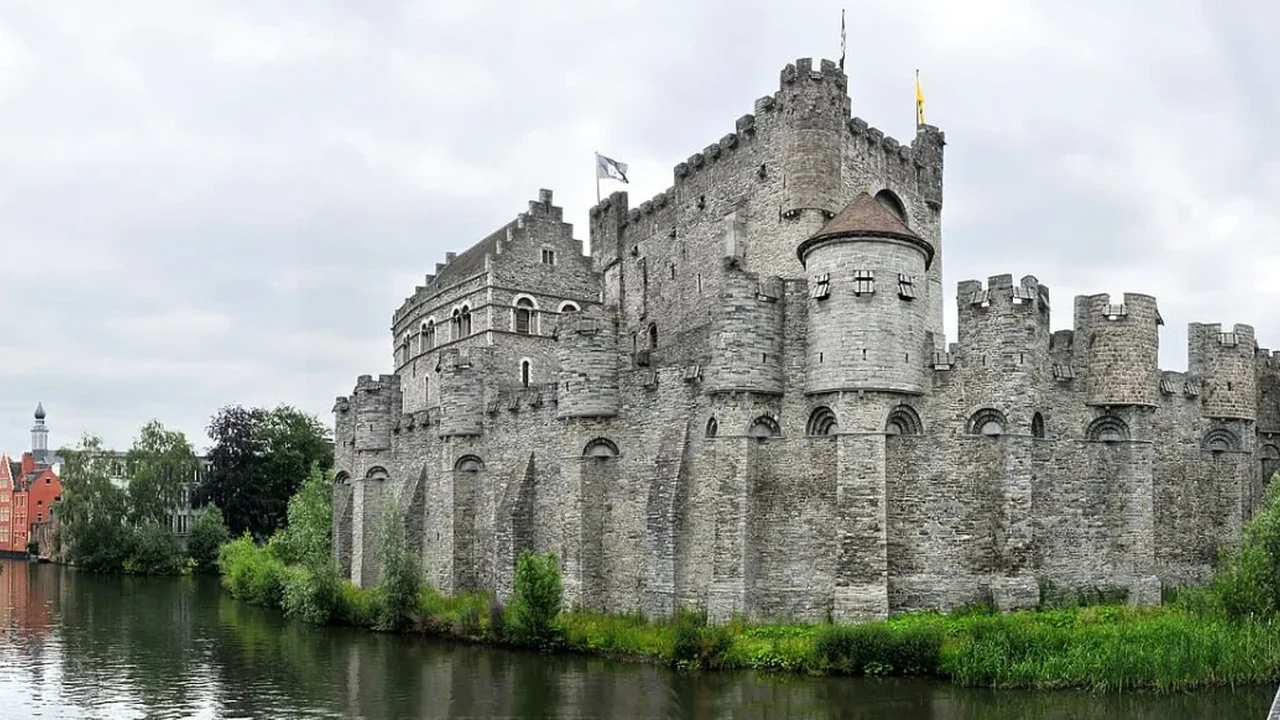
Archaeologists in Ghent, Belgium, have uncovered major sections of the Spanish Castle, a 16th-century fortress commissioned by Emperor Charles V after the city's revolt over taxation. The excavation beneath Spaanskasteelplein also revealed traces of a medieval neighborhood that once stood on the same ground.
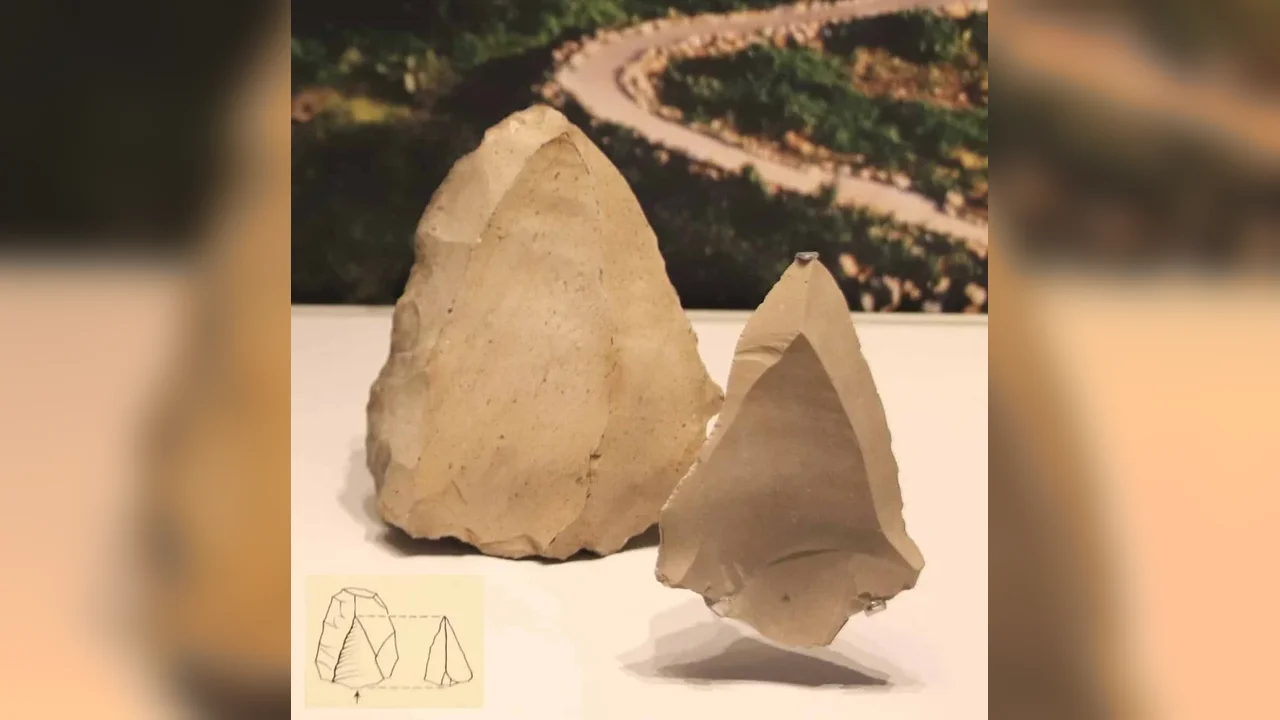
The team found soldiers' quarters, a refuse pit, medieval graves, Roman-era building fragments, and even prehistoric flint tools. Together, these layers show how the area evolved across centuries, from early settlement to religious center, military stronghold, and modern urban district.
A fortress built to assert control
The castle was not designed as a defensive landmark for the city, but as a symbol of imperial power. Its construction followed the suppression of Ghent's uprising in 1540, and part of the project required the removal of buildings linked to St Bavo's Abbey, one of the city's most important early institutions.
Researchers say the preserved remains are especially valuable because they reveal everyday life inside the fortress. The cesspit, used as both a waste pit and dump, is yielding animal bones, seeds, ceramics, glass, and bottle fragments that can help reconstruct diet, habits, and daily routines.
Near the former abbey church, the excavation also exposed dozens of burials from a medieval cemetery dating to the 13th through 16th centuries. These discoveries suggest a dense and active community long before the castle was built.
Planning for future archaeology
The dig was carried out ahead of new housing construction, with some areas studied before building work begins and others intentionally left untouched. That decision reflects a growing approach in urban archaeology: preserve part of the site today so future researchers can study it with better tools tomorrow.
Ghent's buried layers now offer a rare, continuous record of the city's past. In the years ahead, this kind of careful excavation could reshape how modern cities balance development with historical discovery.