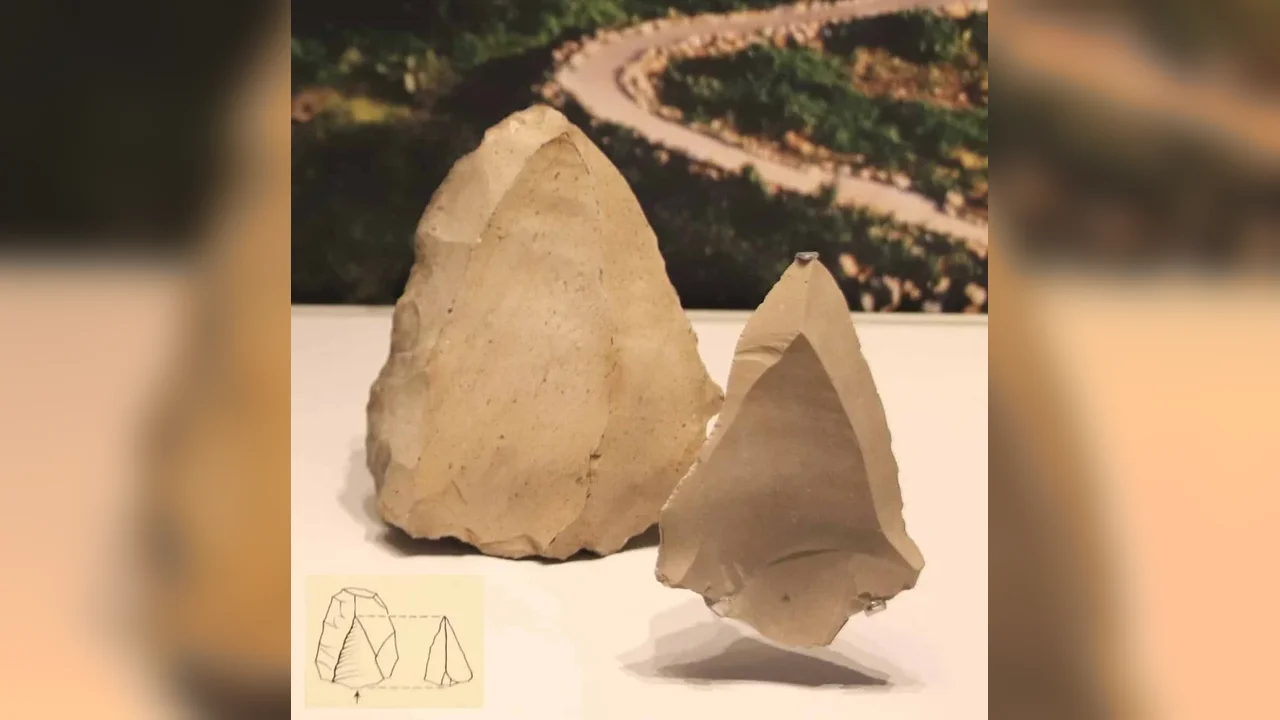
Archaeologists in Romania have uncovered a subtle but important clue about Neanderthal ingenuity: some of their tools were so ordinary-looking that they nearly blended into the surrounding bone fragments.
A closer look at a Carpathian site
At Abri 122/1200, a rock shelter in the Eastern Carpathians, researchers examined more than 10,000 animal-bone fragments and identified 83 pieces with signs of human use. The study suggests that Neanderthals in this region turned everyday bone remains into practical tools for sharpening stone edges, working hides, and possibly processing plant materials.
What made the discovery notable is that many of these objects did not appear specially shaped. Instead, they seem to have been used in their existing form, which helps explain why such tools were overlooked for years.
Microscopic evidence, clearer patterns
The team, led by Monica Mărgărit of Valahia University of Târgoviște, used microscopic analysis to distinguish deliberate use from natural wear. They looked for scratches, polish, rounded edges, and impact marks, then compared the archaeological pieces with experimental replicas.
The results point to a practical toolkit. Some fragments likely served as retouchers for refining stone implements, while others may have worked as hammers, wedges, or tools for scraping softer materials.
The study adds an important layer to what is already known about Neanderthal technology across Europe and Asia. It also suggests that bone tools may have been more common than the archaeological record once implied, especially when researchers focus only on larger or more complete remains.
Why this matters
By filling a geographic gap in the Carpathians, the discovery strengthens the view that Neanderthals were adaptable tool users who relied on efficient, low-cost solutions. Sometimes, the most revealing artifacts are not the most polished ones, but the ones hidden in plain sight. In the future, this kind of analysis may reshape how prehistoric innovation is identified across ancient sites.