The rugged landscape of Ithaca, rich with olive groves and steeped in Greek mythology, has unveiled a remarkable find: the potential sanctuary of the legendary hero Odysseus. Long regarded as the "School of Homer," this archaeological site has provided compelling evidence of a hero cult dedicated to the famed king of Ithaca, as depicted in Homer's Odyssey.
In early June 2025, the Greek Ministry of Culture announced this exciting discovery, stemming from decades of dedicated archaeological efforts. Led by Professor Emeritus Giannos G. Lolos and Dr. Christina Marambea from the University of Ioannina, the excavation at the Agios Athanasios site has been ongoing since 2018.
While Odysseus is recognized as a fictional character, the findings highlight the profound impact his legacy had on ancient Greek society, where he was honored and revered through generations.
Odysseus's Shrine
Odysseus, the clever king of Ithaca and the central figure of The Odyssey, is celebrated for his cunning and resilience during his long journey home after the Trojan War. His adventures, including encounters with formidable creatures and temptations, have made him a symbol of endurance and intelligence.
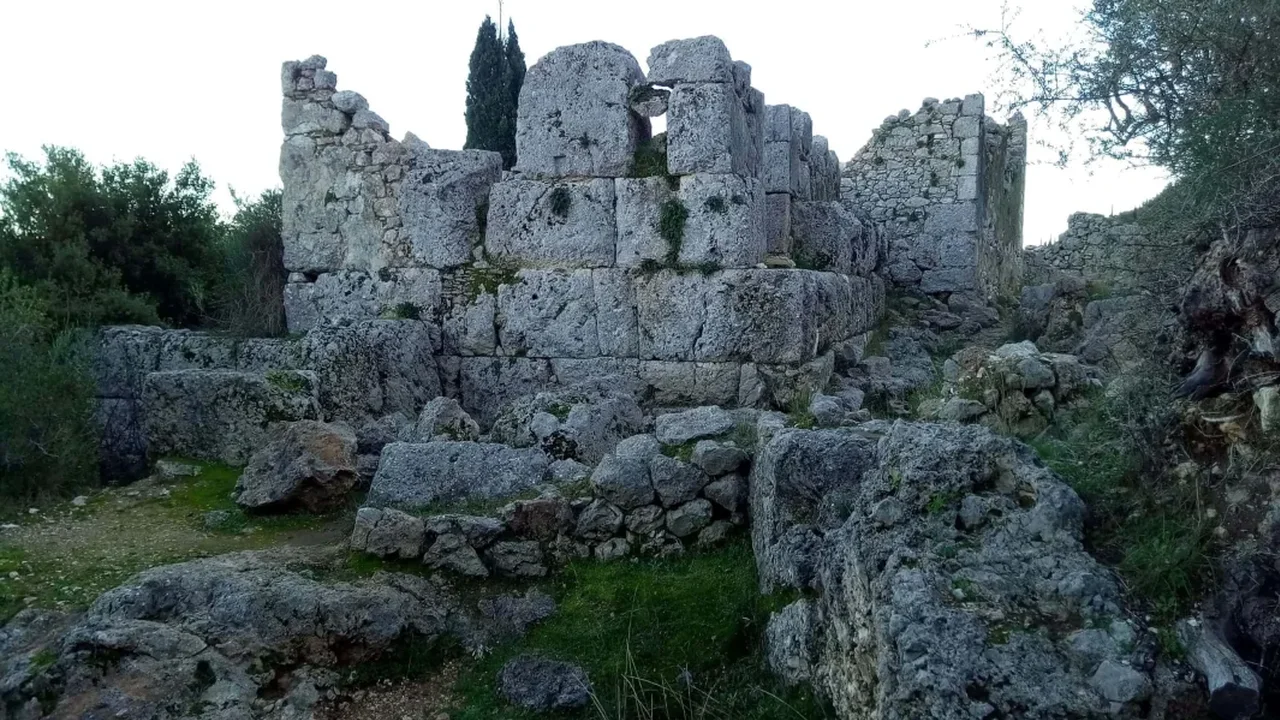
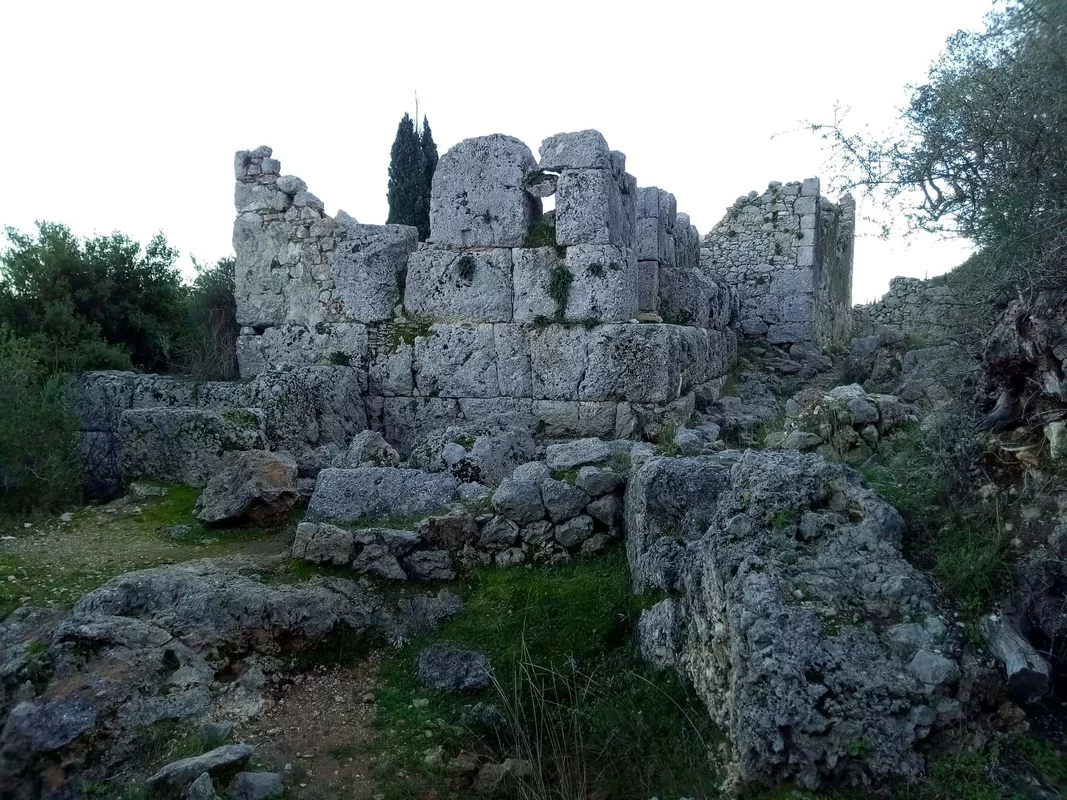
At Agios Athanasios, archaeologists have uncovered evidence of a cult dedicated to Odysseus, with the site featuring a dramatic topography that includes a 3rd-century BCE Hellenistic tower and a substantial rectangular structure likely used for votive offerings. These architectural elements suggest the site was a significant center for worship and civic identity.
Among the remarkable finds is a corbelled stone cistern, dating back to the Mycenaean era (14th-13th century BCE), indicating that the site was a vital hub for managing freshwater resources and trade.
Myth Made Matter
One of the most striking aspects of this excavation is the discovery of 14 stamped tiles and inscribed fragments that bear the name of Odysseus. These inscriptions indicate a long-standing tradition of honoring him, confirming that the cult of Odysseus extended beyond local practices, attracting pilgrims and visitors from afar.
Artifacts such as ritual vessels and coins from various regions further illustrate the widespread reverence for Odysseus. This sanctuary served not only as a religious site but also as a cultural landmark that connected people through shared stories and rituals.
The Greek Ministry of Culture has confidently identified this site with the Odysseion, a hero shrine mentioned in a 2nd-century BCE decree. This discovery enriches our understanding of how myth and memory intertwine, demonstrating that places of worship can profoundly shape cultural identity.
Ultimately, this significant find emphasizes the enduring legacy of Odysseus, illustrating how myths can evolve and resonate through time, anchoring themselves in the physical world and influencing generations to come.