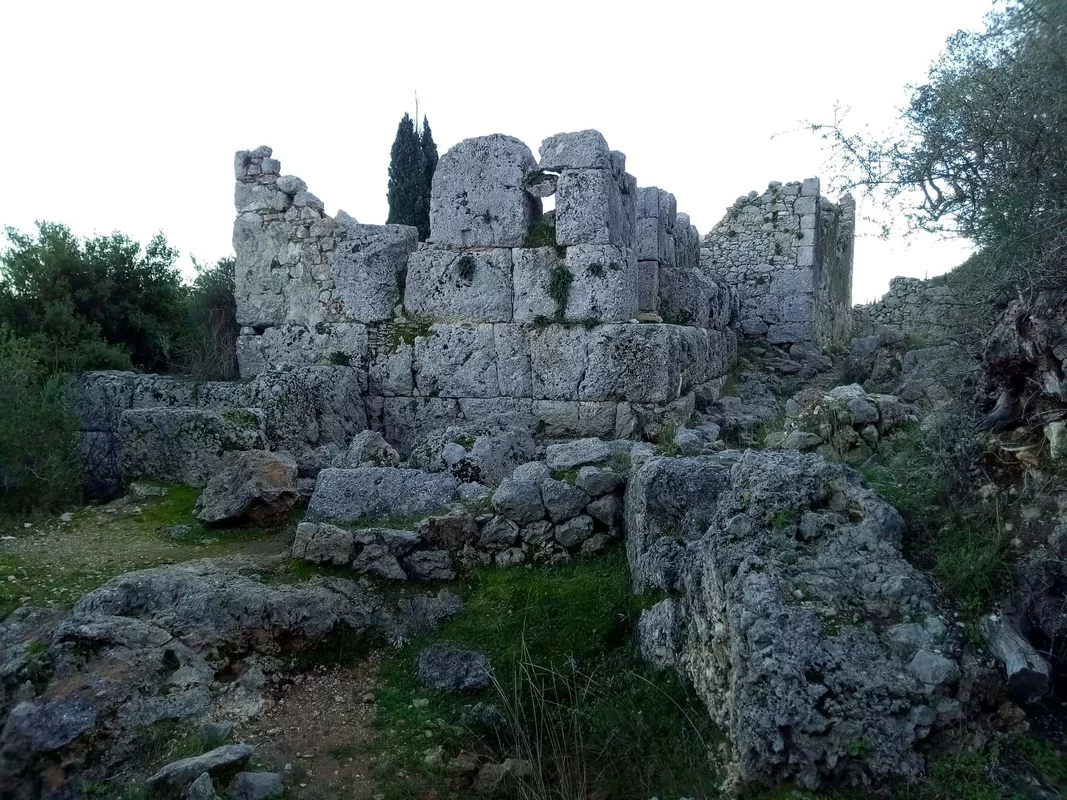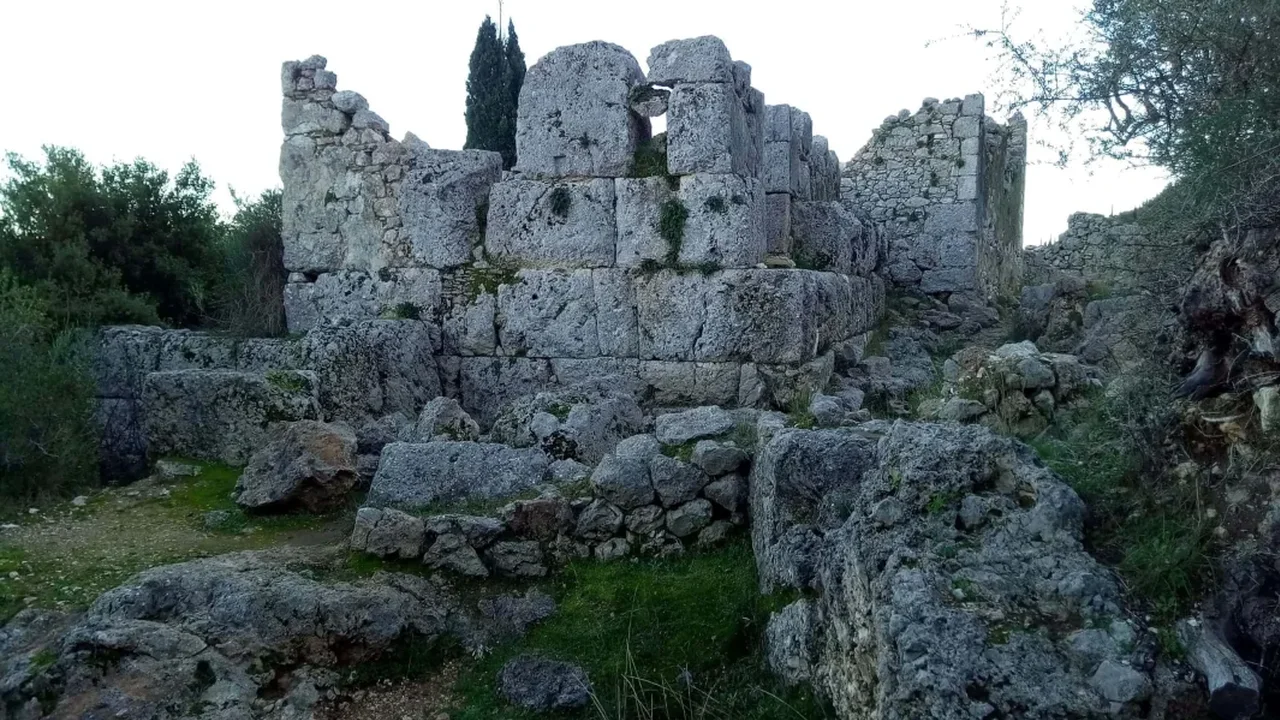
On the rugged hills of Ithaca, archaeologists may have uncovered a site long linked to one of the most enduring figures in world literature: Odysseus. At Agios Athanasios, the area once known as the "School of Homer," new finds point to a sanctuary that may have honored the legendary king of Ithaca for more than a millennium.
A Landscape Woven with Myth
The excavation, led by Professor Emeritus Giannos G. Lolos with Dr. Christina Marambea of the University of Ioannina, has been unfolding since 2018. The Greek Ministry of Culture announced the latest interpretation in June 2025, building on decades of research at the site in northern Ithaca.
What makes the discovery especially compelling is the combination of architecture, ritual objects, and inscriptions. The site includes a Hellenistic tower, carved terraces, and a large structure with niches that likely held votive offerings. Beneath these layers, researchers identified a deep stone cistern dating to the Mycenaean era, around the 14th or 13th century BCE.
Names Carved into Stone
The strongest clues came from inscriptions. Archaeologists recovered 14 stamped roof tiles and fragments bearing forms of Odysseus' name, including one reading "ΟΔΥCCEOC" and another likely meaning "to Odysseus." A miniature bronze bust, similar to depictions of the hero on ancient coins, adds another layer to the interpretation.
Alongside these finds were ritual vessels, loom weights, clay offerings, and more than 100 coins from across the Greek and Roman worlds. Together, they suggest the site was not only local in importance, but also a destination for visitors and pilgrims.
Myth, Memory, and Civic Life
Although Odysseus is understood as a mythological figure, the evidence shows that ancient communities treated him as a real presence in cultural and religious life. The sanctuary appears to have been active from the Hellenistic period into the early Roman era, when hero cults helped connect storytelling, identity, and place.
The site's deeper history is equally striking. Artifacts from the Final Neolithic period show that this hill was significant long before Homer's epic tradition took shape. That continuity gives the location a rare historical depth, linking prehistoric settlement, ancient worship, and literary memory in one landscape.
If confirmed, the Odysseion would offer a vivid example of how archaeology can bring ancient imagination into focus, revealing how myth can shape real spaces across centuries and still inspire new discoveries about the past and future of cultural heritage.