The history of plague extends back thousands of years, with an earlier strain of Y. pestis emerging approximately 5,000 years ago during the Bronze Age. This ancient variant affected populations across Eurasia for nearly two millennia before vanishing. Unlike its medieval counterpart, this version did not rely on fleas for transmission. Scientists have long been puzzled by how such a disease could spread widely without this common vector.
Breakthrough Discovery from an Ancient Sheep
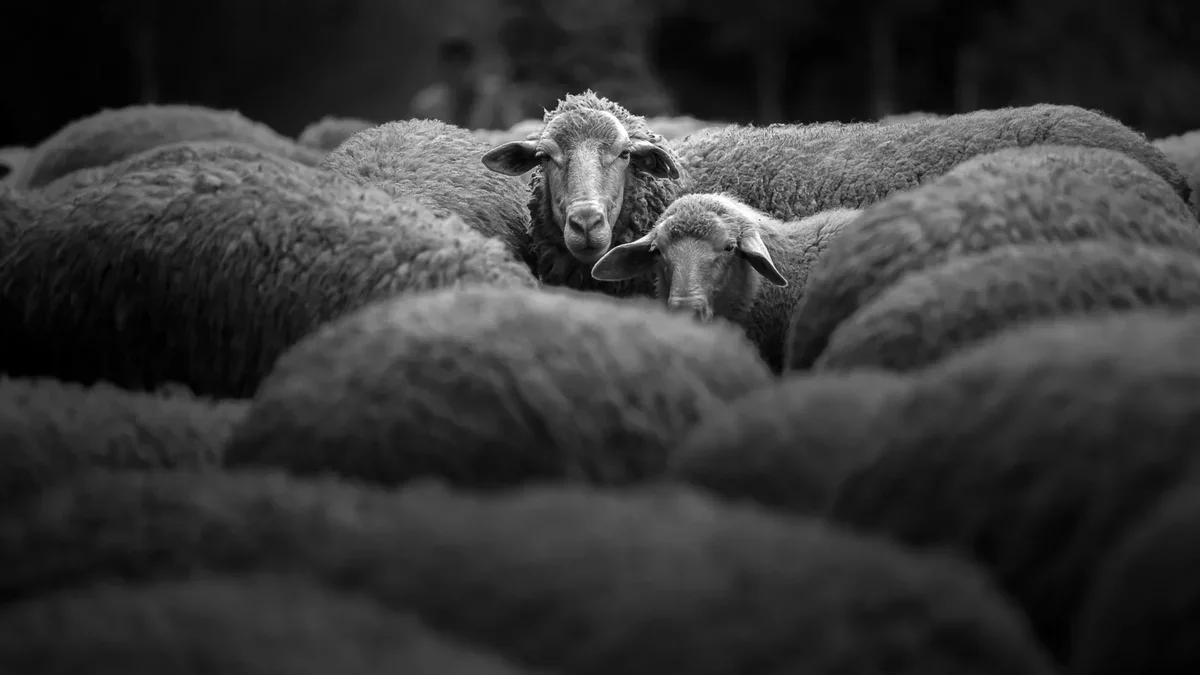
A significant breakthrough has been made by an international research team, including University of Arkansas archaeologist Taylor Hermes. They have identified the earliest evidence of Bronze Age plague in a nonhuman host, discovering Y. pestis DNA in the remains of a domesticated sheep that lived around 4,000 years ago.
This sheep was found in Arkaim, a fortified settlement in the Southern Ural Mountains of modern-day Russia, near Kazakhstan. The discovery implies that livestock may have contributed to the spread of plague during the Bronze Age, offering insights into how the disease traversed such vast distances across Eurasia.
The findings were published in the journal Cell, titled "Bronze Age Yersinia pestis genome from sheep sheds light on hosts and evolution of a prehistoric plague lineage." The collaborative effort included researchers from prestigious institutions, including Harvard University, as well as leading organizations in Germany, Russia, and South Korea.
Unraveling Ancient DNA
Hermes co-leads a project focused on ancient livestock DNA. By analyzing genetic material preserved in bones and teeth, his team is investigating how domesticated animals like cattle, goats, and sheep migrated from the Fertile Crescent across Eurasia, influencing the development of nomadic cultures and early empires.
"When we analyze livestock DNA from ancient samples, we encounter a complex mixture of contamination," Hermes explained. "This presents a challenge in isolating the animal's DNA but also allows us to search for pathogens that may have infected both herds and their caretakers."
Working with ancient DNA presents unique challenges, as researchers must separate the animal's DNA from various other sources in the sample, including microorganisms from the soil. Additionally, the fragments recovered from ancient remains are often very small, with many measuring about 50 base pairs compared to the more than 3 billion base pairs in the full human genome.
Exciting Discoveries
While examining livestock remains excavated from Arkaim in the 1980s and 1990s, Hermes and his team made an unexpected discovery: one sheep bone contained DNA from Yersinia pestis.
"This was a groundbreaking moment for us as it marked the first recovery of the genome from Yersinia pestis in a non-human sample," Hermes remarked. "Our excitement was heightened by Arkaim's connection to the Sintashta culture, known for its early advancements in horse riding and bronze weaponry."
Understanding Plague Transmission
Previous research has identified identical Bronze Age plague strains in human remains located thousands of kilometers apart, raising questions about how the disease spread so extensively.
"It had to be more than just human movement. Our findings with the sheep provide a breakthrough. We now recognize a dynamic interaction between people, livestock, and potentially unidentified natural reservoirs, such as rodents or migratory birds," Hermes noted.
Insights from the Past
Hermes has recently secured a five-year grant from Germany's Max Planck Society to further excavate in the Southern Urals near Arkaim. His team will continue to search for additional remains that could yield more traces of Y. pestis.
Despite the historical context, Hermes emphasizes the relevance of these findings today, warning that expanding economic activities into natural habitats can disrupt ecosystems and increase disease spillover risks. "We must respect the delicate balance of ecosystems we may disturb," he concluded.