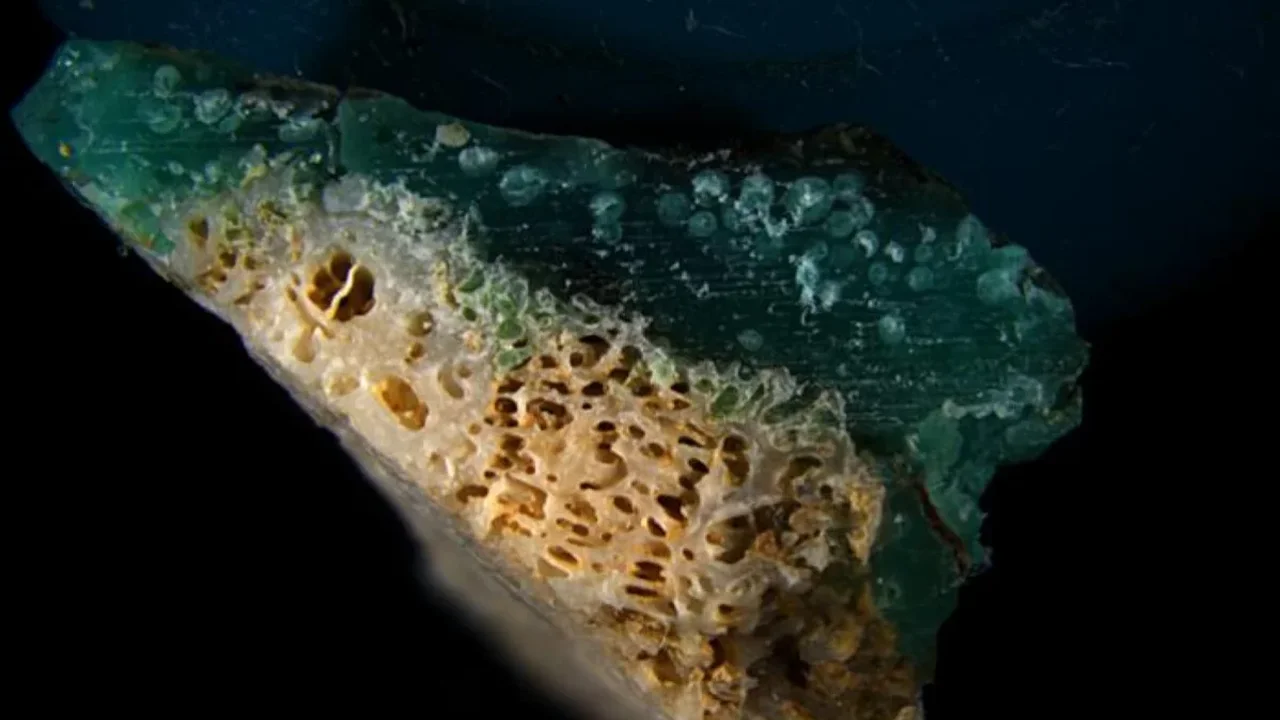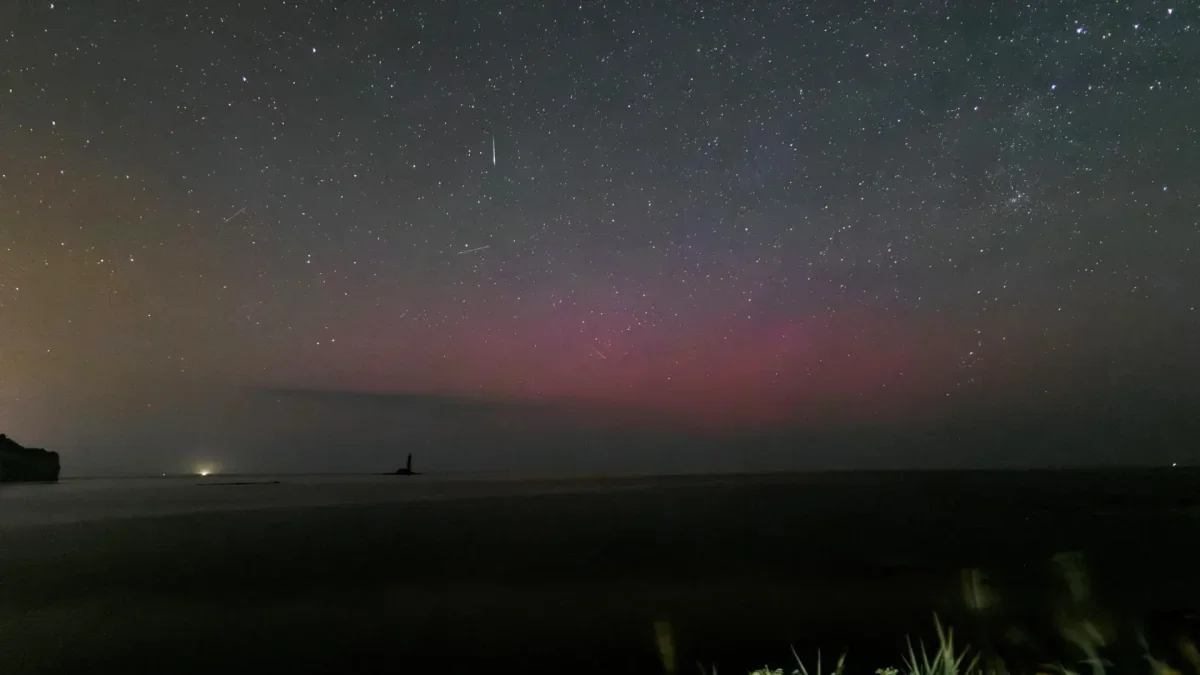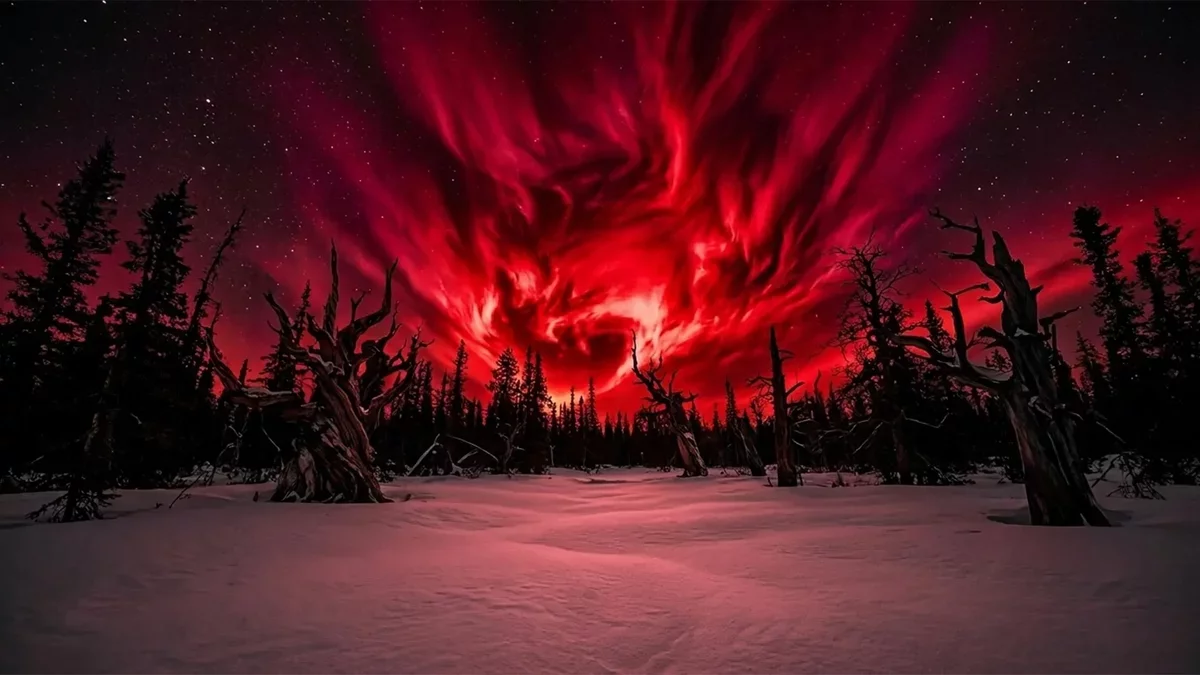
Recent research from the Okinawa Institute of Science and Technology (OIST) has shed light on a significant solar proton event (SPE) that took place around 1200 CE. This event was identified by combining historical records with precise carbon-14 measurements from ancient asunaro trees in northern Japan. The findings, published in the Proceedings of the Japan Academy, Series B, highlight the innovative methods used to uncover this solar phenomenon.
Professor Hiroko Miyahara, a key member of the OIST Solar-Terrestrial Environment and Climate Unit, noted that while previous studies have focused on extreme SPEs, their research provides a framework for detecting sub-extreme events. These smaller events, which occur more frequently and can still pose risks, have been challenging to identify until now. The team's advanced techniques allow for a more efficient analysis of these solar occurrences.
Unlocking the Past Through Ancient Clues
Earth's magnetic field typically shields us from high-energy particles produced during SPEs. However, at the poles, some particles can penetrate the atmosphere, leading to the formation of carbon-14 compounds that get incorporated into living organisms. By examining carbon-14 levels in preserved organic materials, scientists can trace solar activity over millennia.
The OIST team utilized a refined measurement technique, developed over more than ten years, which can detect minute fluctuations in carbon-14 levels, enabling the identification of previously unnoticed sub-extreme solar events. This meticulous analysis necessitated preliminary insights into historical instances of unusual solar activity.
Historical Records Illuminate Solar Activity
A crucial lead came from the diary of the Japanese poet Fujiwara no Teika, who recorded seeing "red lights in the northern sky over Kyoto" in February 1204 CE. While SPEs do not directly cause auroras, they are often associated with similar solar disturbances. This historical observation provided a timeframe for further investigation.
By measuring carbon-14 levels in asunaro wood from Aomori Prefecture, researchers identified spikes indicating a sub-extreme SPE. Combining this data with dendroclimatic studies allowed them to pinpoint the event to a window between winter 1200 CE and spring 1201 CE. Concurrent historical records from China also noted a red aurora visible at lower latitudes during this period.
Understanding Solar Cycles and Their Implications
The high-precision data not only enabled accurate dating of sub-extreme SPEs but also facilitated a reconstruction of solar cycles from that era. Miyahara explained that while today's solar activity fluctuates over eleven-year cycles, the cycles during the 1200s were much shorter, lasting only seven to eight years, indicating a more active sun.
This research enriches our understanding of solar activity and its potential impacts on Earth. By integrating historical records and scientific methods, researchers can better comprehend extreme space weather, paving the way for enhanced preparedness in future space exploration and technology.