A groundbreaking study published in Nature Ecology & Evolution by scientists from the Okinawa Institute of Science and Technology (OIST) has unveiled the evolutionary history of squid and cuttlefish. By analyzing extensive genomic datasets alongside three newly sequenced squid genomes, the research highlights a "long fuse" evolutionary pattern that clarifies how these decapodiform cephalopods evolved into the diverse species we see today.
Dr. Gustavo Sanchez, the study's lead author and a Staff Scientist at OIST's Molecular Genetics Unit, emphasizes the complexity of studying the evolution of these fascinating creatures. "The ancestry of squid and cuttlefish has puzzled researchers for decades, with various hypotheses emerging based on morphological traits and molecular data. Our new genomic insights have helped illuminate some of the longstanding questions about their origins," he explains.
Illuminating Squid and Cuttlefish Evolution
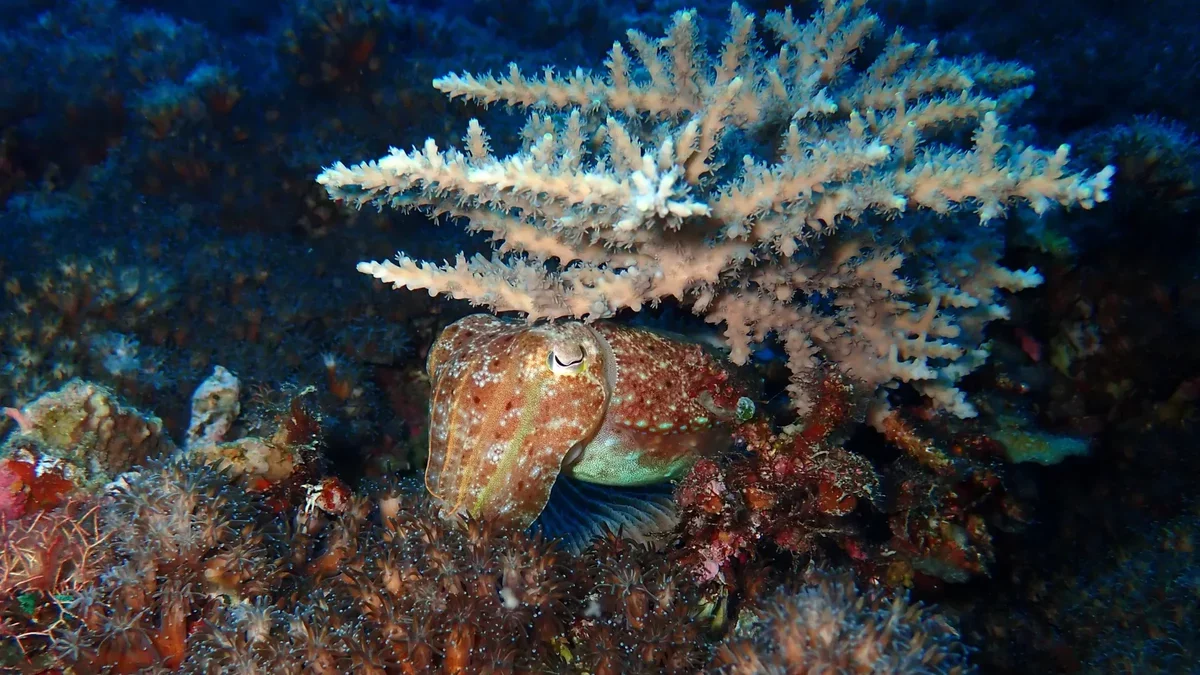
Squid and cuttlefish inhabit a range of environments, from the depths of the ocean to coastal areas. Despite their varied appearances, a common characteristic is their internal shell, which can take many forms, including the rounded cuttlebone of cuttlefish and the elongated gladius found in many squid species. Some shallow-water varieties have even completely lost their shells.
Understanding the relationships among these forms has proven challenging. Sanchez notes, "Previous evolutionary models relied on datasets with limited resolution, leading to biased interpretations. Whole genome analysis now provides a clearer, more consistent view of their evolutionary pathways."
Sequencing squid genomes presents unique challenges, as their genomes can be twice the size of the human genome, necessitating advanced technology and substantial computational resources. Additionally, obtaining fresh DNA samples is difficult because many species are found in remote locations. "We were fortunate to access key species near Okinawa and collaborate with colleagues who could reach more elusive samples," Sanchez adds.
The First Comprehensive Evolutionary Tree
The research team successfully constructed the first comprehensive evolutionary tree for decapodiformes, utilizing genome sequences from nearly all major lineages. This achievement was made possible through a five-year global collaboration, including efforts from the Aquatic Symbiosis Genomics Project, funded by the Wellcome Sanger Institute. Sanchez led the Japanese segment of this initiative.
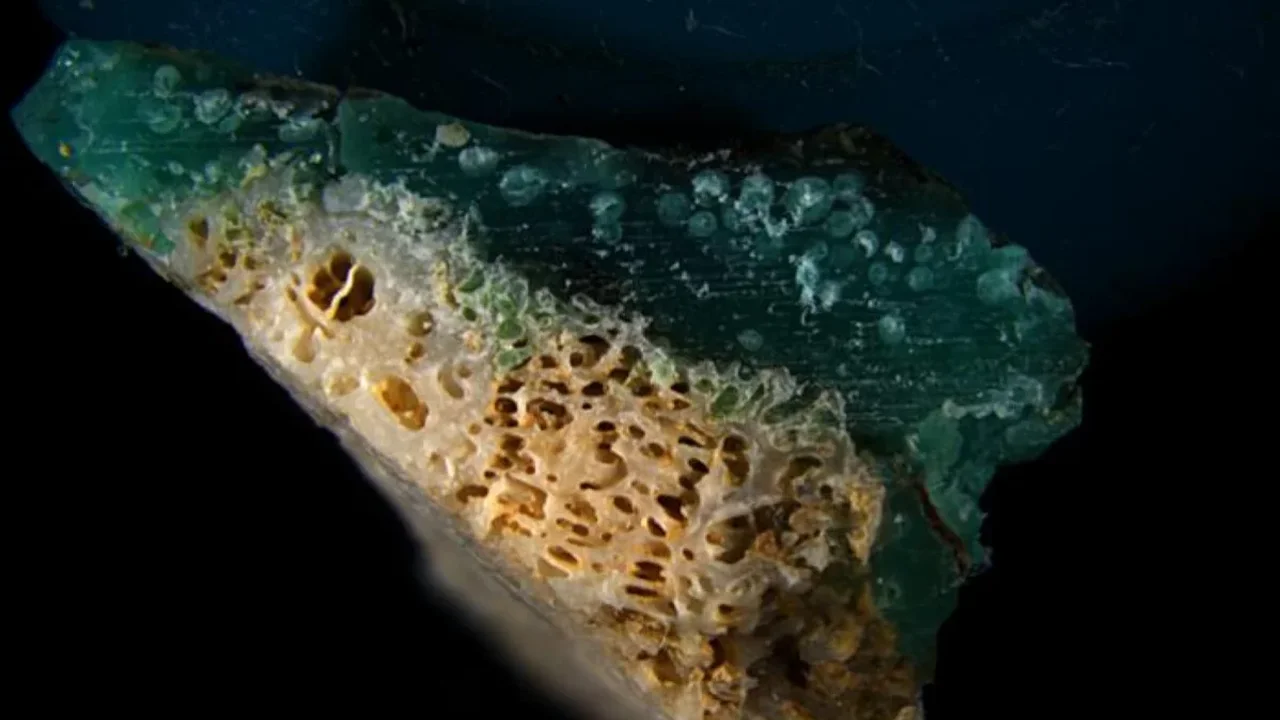
One critical species in this research was the rare ram's horn squid, Spirula spirula. Its unique internal shell has long intrigued scientists. Co-author Dr. Fernando Á. Fernández-Álvarez from the Spanish Institute of Oceanography recognized the significance of its genome early on, stating, "This genome could bridge key gaps and clarify broader evolutionary questions concerning cephalopods."
Deep-Sea Origins and Evolutionary Patterns
By integrating genomic data with fossil records, the researchers reconstructed the timeline and environmental backdrop of squid and cuttlefish evolution. "Our findings indicate that these creatures originated in deep ocean environments, which still host species like the ram's horn squid," Sanchez explains.
The study suggests that major decapodiform groups diverged approximately 100 million years ago during the mid-Cretaceous period. Remarkably, despite the catastrophic Cretaceous-Paleogene (K-Pg) mass extinction that wiped out around three-quarters of Earth's species, including dinosaurs, the ancestors of squid managed to survive.
These early cephalopods likely found refuge in small, oxygen-rich zones of the deep ocean. "The sea surface at that time was harsh for cephalopods, with limited suitable habitats near the shore and significant ocean acidification affecting shell integrity," Sanchez notes. As the planet recovered, coral reefs re-emerged, allowing squid and cuttlefish lineages to flourish in new shallow-water ecosystems.
"After the initial lineage splits during the Cretaceous, we observe little branching for many millions of years. However, in the K-Pg recovery period, we witness a rapid diversification as species adapt to evolving ecosystems. This exemplifies a 'long fuse' model of evolution," Sanchez concludes.
Insights into Cephalopod Innovation
The researchers believe their findings lay a robust foundation for future explorations into the unique adaptations of squid and cuttlefish. "These creatures possess remarkable features that inspire scientific inquiry," says Prof. Daniel Rokhsar, head of the Molecular Genetics Unit. "With these genomic insights and a clearer understanding of their evolutionary relationships, we can delve into the molecular changes that accompany significant cephalopod innovations, such as advanced organ development and complex behaviors."