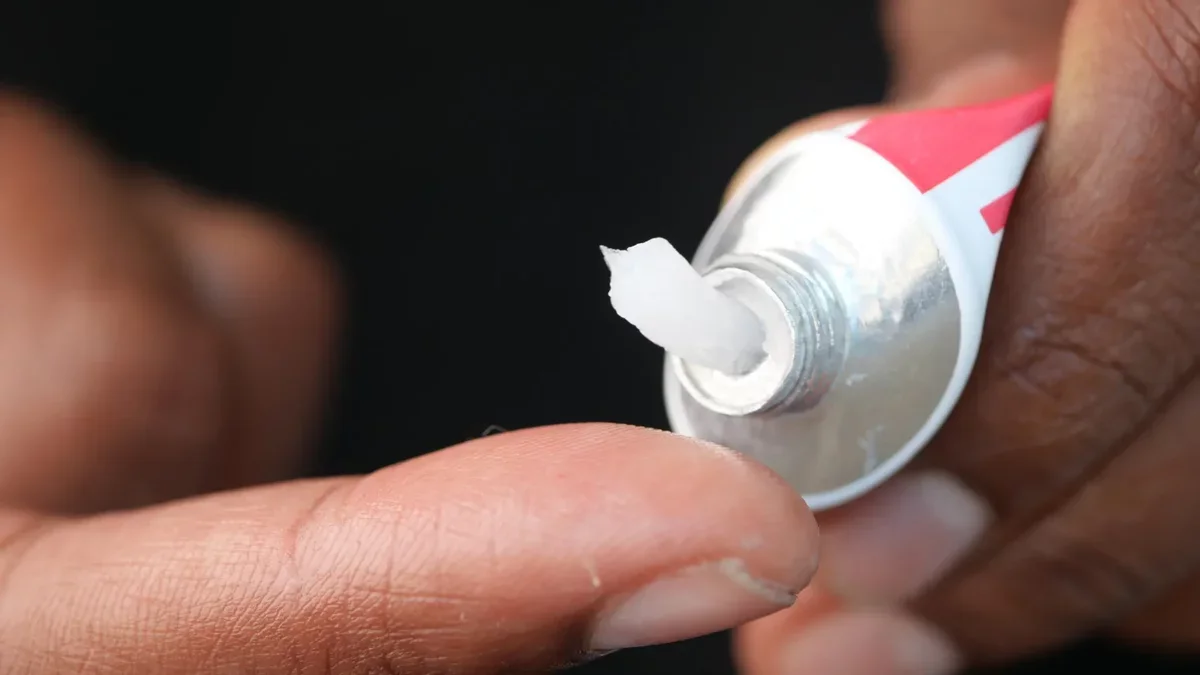
A groundbreaking study from the Boston University Aram V. Chobanian and Edward Avedisian School of Medicine, led by a team including researchers Maria Shvedova and Rex Jeya Rajkumar Samdavid Thanapaul, has unveiled the potential of a novel drug in combating skin aging and enhancing healing processes.
Targeting Aging Cells
As skin ages, it accumulates damaged cells known as senescent cells, which disrupt normal tissue function and hinder repair mechanisms. These cells release inflammatory signals that further compromise the skin's resilience. The research team investigated the effects of ABT-263, a senolytic drug, applied directly to aged skin to assess its ability to alleviate this cellular burden.
The experiment involved applying ABT-263 to aged mice over five days, resulting in a noticeable reduction in signs of cellular aging. When subjected to minor wounds, the treated mice exhibited significantly faster healing compared to their untreated counterparts. Remarkably, by day 24, 80% of the mice that received ABT-263 had fully healed, while only 56% of the untreated mice achieved the same.
Unexpected Healing Enhancement
An intriguing finding was that ABT-263 temporarily increased inflammation in the skin. While chronic inflammation is typically detrimental, this transient response appeared to prime the skin for repair. The treatment activated healing pathways that are often sluggish in older tissues, enhancing gene activity related to collagen production, blood vessel formation, and tissue remodeling--essential processes for effective wound closure and strengthening.
This is particularly significant as aging skin tends to respond poorly to injuries, leading to prolonged recovery times and complications. The targeted application of ABT-263 could revolutionize preoperative care and improve outcomes for individuals susceptible to slow healing.
Importance of Topical Treatment
Unlike oral senolytic drugs, which may produce systemic side effects, the direct application of ABT-263 allows for a more focused treatment approach. While the drug showed efficacy in aged mice, it did not exhibit the same effects in younger specimens, suggesting its benefits are most pronounced in older tissues where senescent cells are prevalent.
Researchers are optimistic about the potential of this treatment, particularly for surgical patients or those at risk for poor wound healing. The ability to prepare aging skin in advance of surgical procedures could significantly enhance recovery.
Future Directions in Research
Since the 2024 study, the field has progressed toward localized senolytic strategies, with subsequent research highlighting the role of cellular senescence in skin aging and disease. Future studies are exploring the use of localized wound dressings containing ABT-263, which have shown promise in improving healing in diabetic models without systemic toxicity.
While the findings are promising, they remain preliminary. Further research is essential to determine the safety and efficacy of ABT-263 in humans, including optimal dosing and long-term effects.
Ultimately, the prospect of topical senolytic treatments could transform how we approach skin repair, offering faster, safer recovery for older adults facing surgical interventions or chronic wounds.