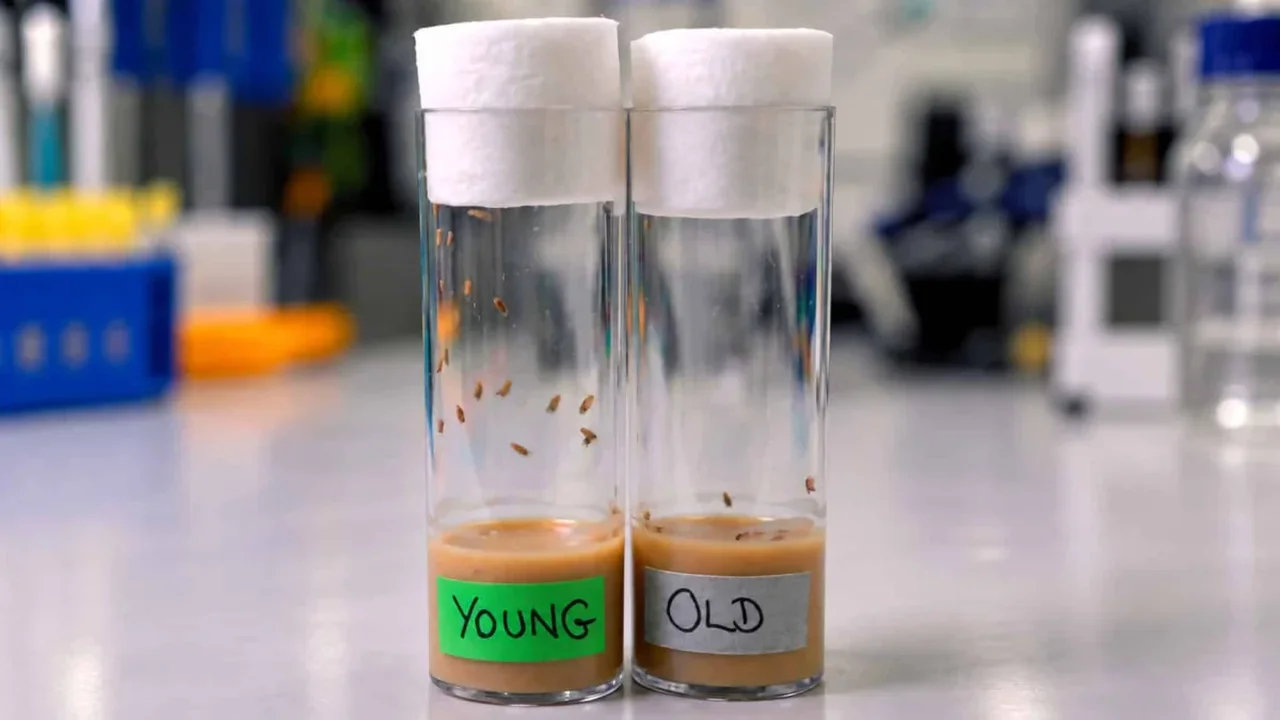
Researchers have long sought effective methods to eliminate or repair harmful senescent cells, but a significant challenge has been reliably identifying these cells among healthy tissue. A promising breakthrough comes from a team at the Mayo Clinic, who recently published their findings in the journal Aging Cell.
This innovative team has developed a technique utilizing aptamers, which are synthetic DNA molecules that can bind to specific proteins on cell surfaces. By screening over 100 trillion random DNA sequences, they successfully identified rare aptamers that attach to proteins linked to senescent cells. This allows for the effective tagging of these cells, marking them for identification.
Dr. Jim Maher, III, a principal investigator in the study, emphasized the significance of this method, stating, "This approach established the principle that aptamers can distinguish senescent cells from healthy ones." While this research marks a crucial first step, the potential application of this technique in human cells is an exciting prospect.
The genesis of this project was a serendipitous conversation between graduate students. Dr. Keenan Pearson, who had been investigating aptamers for brain cancer treatments, and Dr. Sarah Jachim, who focused on aging and senescent cells, shared ideas during a scientific event. Dr. Pearson's curiosity about adapting aptamer technology for senescent cells sparked a collaborative effort that combined their expertise.
Initially perceived as a "crazy" idea by their mentors, the concept gained traction due to its innovative nature and the synergy of two distinct research areas. The collaboration flourished, bringing in additional graduate students who contributed specialized techniques and knowledge, which accelerated the research process.
Beyond merely identifying senescent cells, this study revealed new insights into their biology. Dr. Maher noted the absence of universal markers for senescent cells, allowing the aptamers to guide the discovery of surface molecules. Interestingly, several aptamers bound to a unique form of fibronectin found on mouse cells, potentially paving the way for a deeper understanding of what differentiates senescent cells.
While the researchers caution that more studies are necessary before applying this technology in humans, the future implications are vast. Aptamers could evolve from a mere identification tool to a targeted therapy delivery system, providing a more precise approach to treating age-related diseases. Dr. Pearson remarked on the advantages of aptamers, noting they are less expensive and more versatile compared to traditional antibodies used in cell differentiation.
As this pioneering research unfolds, it holds the promise of advancing our understanding of aging and developing innovative treatments for related diseases, potentially transforming the landscape of healthcare in the years to come.