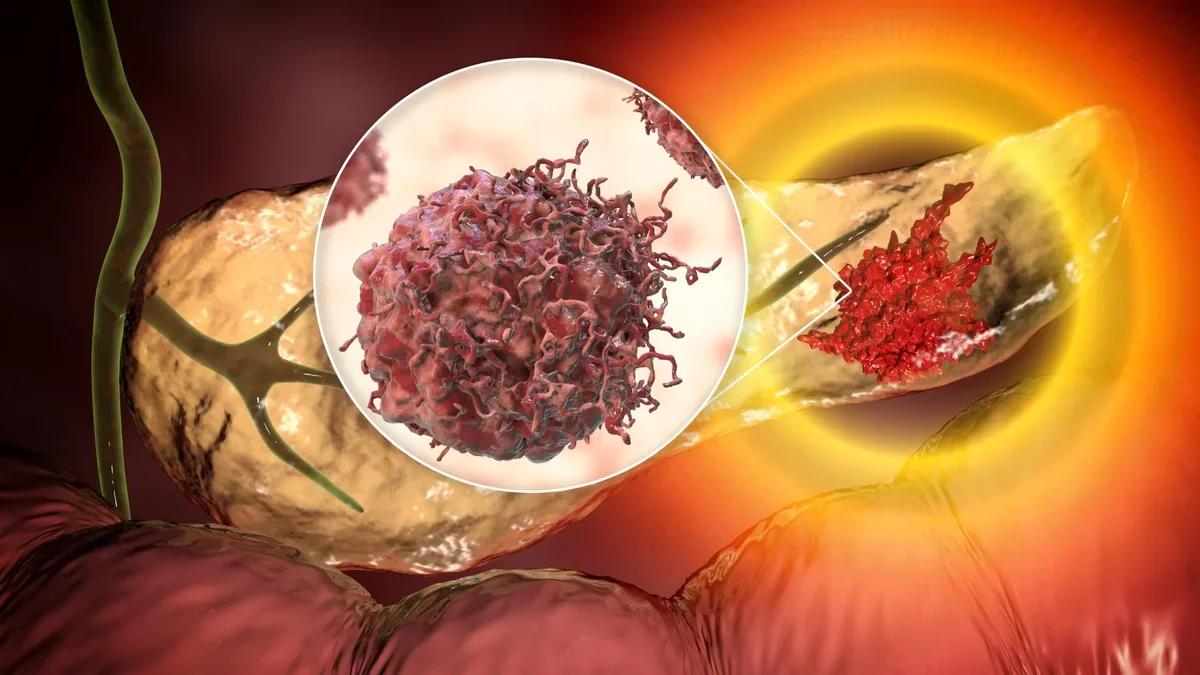
Pancreatic cancer is known for its challenging prognosis, with only around 10% of patients surviving beyond five years post-diagnosis. However, medical professionals are optimistic that early detection could significantly enhance survival rates, making timely treatment more effective. Currently, reliable screening methods for early-stage pancreatic cancer are lacking.
Innovative Blood Biomarker Analysis
In an effort to bridge this gap, researchers from the University of Pennsylvania's Perelman School of Medicine and the Mayo Clinic undertook a comprehensive analysis of blood samples from individuals both with and without pancreatic cancer. They scrutinized various biomarkers, including carbohydrate antigen 19-9 (CA19-9), which is typically used to monitor treatment efficacy, and thrombospondin 2 (THBS2), a previously examined marker.
While CA19-9 and THBS2 have their uses, they also exhibit limitations. For instance, CA19-9 levels can increase due to non-cancerous conditions such as pancreatitis or bile duct obstruction, and some individuals do not produce this marker due to genetic variations. Consequently, relying solely on these markers is insufficient for effective screening.
Discovery of New Proteins Enhances Detection Accuracy
Through the examination of stored blood samples, the research team identified two new proteins, aminopeptidase N (ANPEP) and polymeric immunoglobulin receptor (PIGR), which are notably elevated in individuals with early-stage pancreatic cancer. These biomarkers exhibited distinct differences when comparing cancer patients to healthy individuals.
When combined with CA19-9 and THBS2, this four-marker panel showed remarkable effectiveness, accurately identifying pancreatic cancer cases 91.9% of the time across all stages, with a false positive rate of just 5%. For early-stage (stage I/II) cancer, the test successfully detected 87.5% of cases.
"By integrating ANPEP and PIGR with existing markers, we have substantially improved our capacity to identify this cancer at its most treatable stage," stated Kenneth Zaret, Ph.D., the study's lead investigator from the University of Pennsylvania.
Improving Diagnostic Precision
A key benefit of this test is its ability to distinguish pancreatic cancer from other benign pancreatic conditions, such as pancreatitis, thereby reducing the likelihood of misdiagnosis and unnecessary anxiety for patients.
Future Directions for Screening
"Our findings from this retrospective study call for further exploration in larger populations, especially among individuals who have not yet exhibited symptoms," Zaret emphasized. "Such 'prediagnostic' studies could pave the way for using this test as a screening tool for high-risk individuals based on family history, genetic predispositions, or personal medical history involving pancreatic cysts or pancreatitis."
This vital research received backing from several NIH grants, underscoring its significance in the ongoing fight against pancreatic cancer.