Five millennia ago, the vibrant farming societies of northwestern Europe experienced a perplexing demographic downturn. The once-bustling megalithic tombs, which served as final resting places for generations, were left abandoned, allowing wild forests to reclaim the cultivated lands.
Archaeologists have long speculated about the reasons behind this Neolithic decline, but recent advancements in ancient DNA analysis from a communal grave near Paris have provided crucial insights. By sequencing the genomes of 132 individuals interred in a shared tomb, researchers have mapped a dramatic population shift. The findings indicate a complete turnover of the local clan, which suffered from high mortality rates and diseases, ultimately paving the way for a genetically distinct group to settle in the region.
The Predecessors
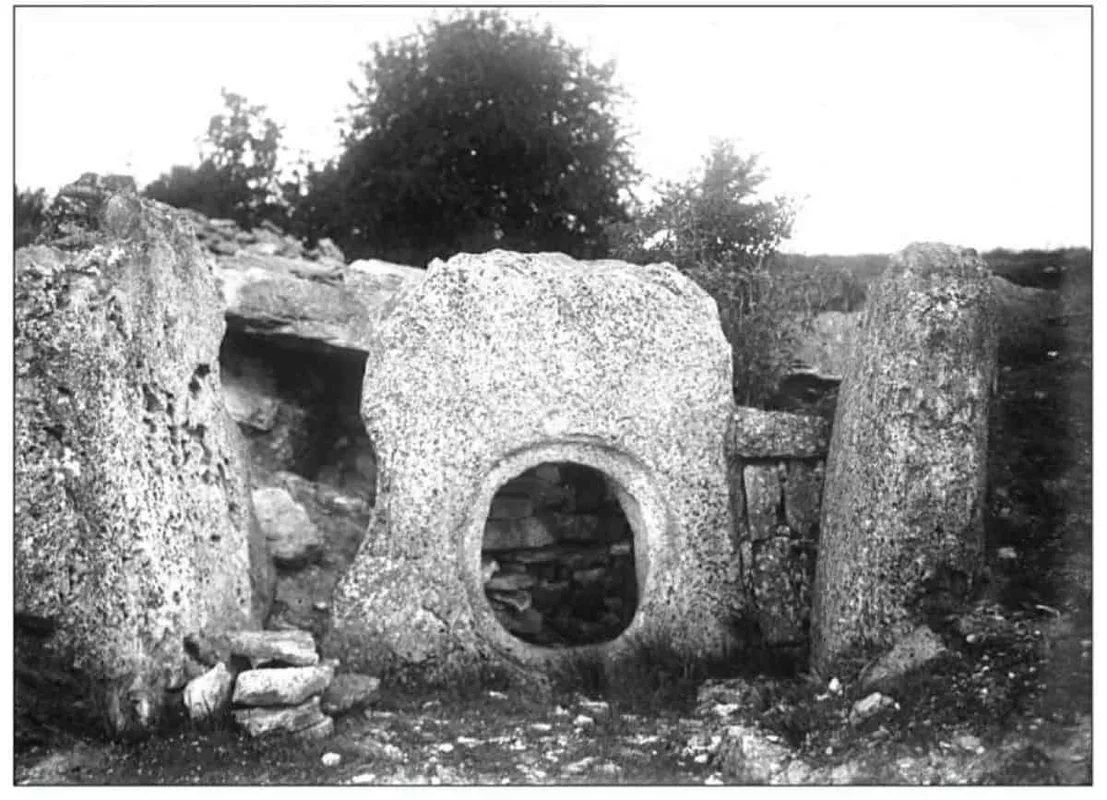
Located just 50 kilometers north of Paris, the Bury tomb contains the remains of hundreds of early Europeans. While initially appearing as a single burial site, DNA analysis reveals that it was used in two distinct phases, separated by centuries.
"The genetic data shows a clear divide between the two burial periods," stated Frederik Seersholm, a researcher at the University of Copenhagen. "This suggests a significant disruption that led to the decline of one population and the emergence of another."
During the initial phase, around 3200-3100 BC, interred individuals belonged to a closely-knit clan, with genomic studies indicating expansive family trees extending up to five generations. However, the skeletal remains from this era indicate a troubling trend of premature deaths among the young.
"This mortality pattern deviates from what we typically associate with a healthy population," explained Laure Salanova from the French National Center for Scientific Research. "It implies that a catastrophic event, such as disease or famine, may have occurred."
Evidence of ancient pathogens, including Yersinia pestis, the bacterium responsible for the plague, was found in the dental remains from this period. Additionally, traces of Borrelia recurrentis, a microbe linked to louse-borne relapsing fever, were also detected.
A New Society Emerges
Following the population collapse, the Bury tomb fell silent for centuries. Pollen analysis from the Paris Basin indicates a resurgence of forest growth, reflecting reduced human activity and the abandonment of agricultural lands.
When the tomb was reopened, the individuals interring their deceased were genetically distinct from the original builders, indicating a migration from southern France and the Iberian Peninsula. This new group brought with them different burial customs, favoring curled, flexed positions for their dead, and established smaller, less complex kinship structures.
The insights gained from the Bury tomb not only elucidate the reasons behind the Neolithic decline but also highlight the resilience and adaptability of human societies in the face of adversity. This research, published in the journal Nature Ecology & Evolution, underscores the profound impact of disease on historical populations and hints at the complex interplay between environment and human migration.
As we continue to unravel the past through genetic analysis, we can gain a deeper understanding of how these ancient events shape our modern societies and cultures.