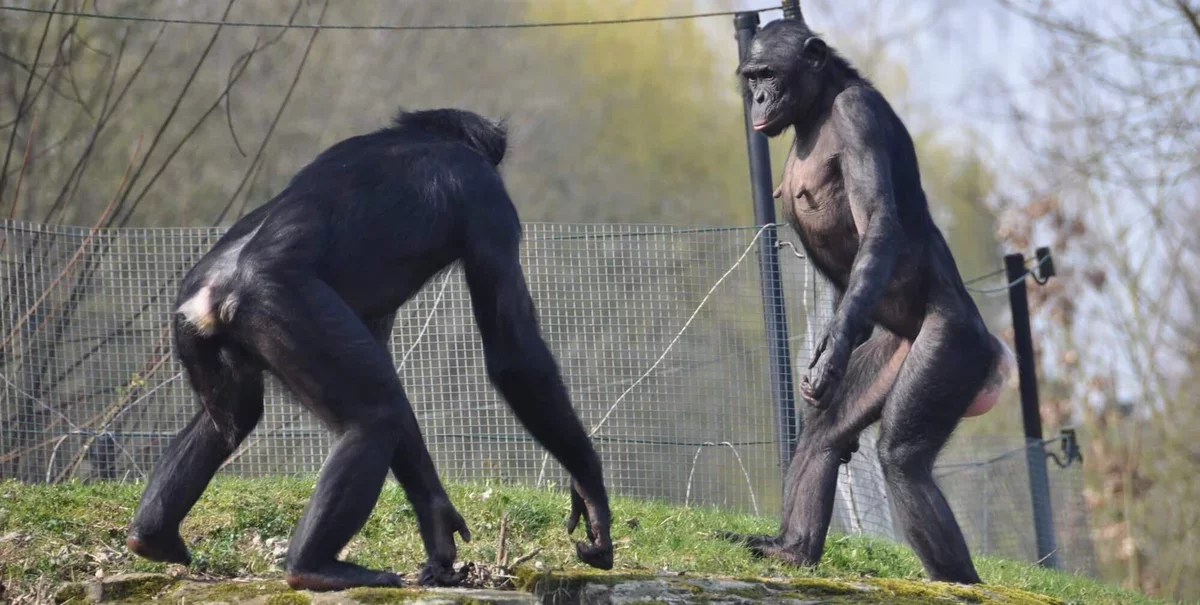
In a fascinating study, researchers have discovered that wild chimpanzees in Uganda consume the equivalent of one alcoholic drink daily. This intriguing behavior was observed by Aleksey Maro from UC Berkeley, who, alongside Ugandan student Sharifah Namaganda, collected urine samples from these remarkable primates.
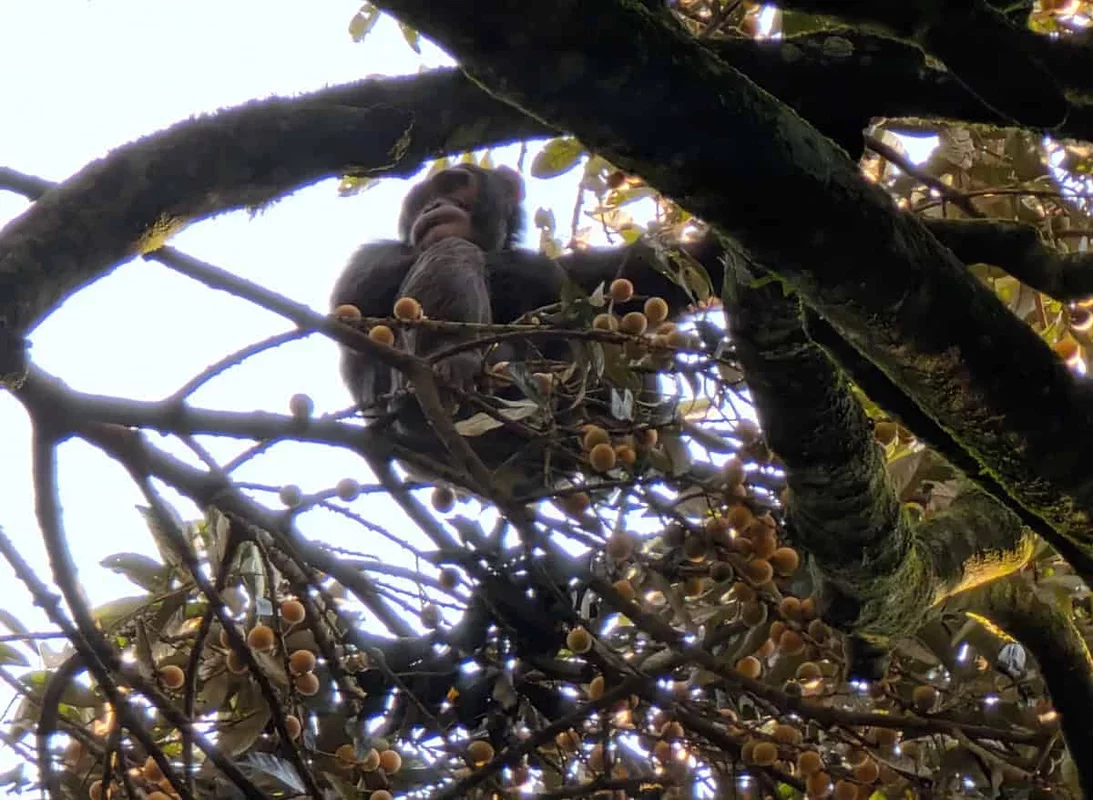
The findings reveal that these chimpanzees achieve their daily alcohol intake by feasting on sugar-rich, fermenting fruits found high in the forest canopy. Maro used simple tools, like forked branches and plastic bags, to gather samples as the chimps relieved themselves.
Through testing, it was found that 17 out of 20 urine samples contained EtG (ethyl glucuronide), a specific chemical produced when alcohol is metabolized, indicating a striking 85% positivity rate. Further analysis of 11 of these samples showed that ten exceeded high concentration thresholds, suggesting that the chimps were indeed "under the influence."
As biologist Robert Dudley noted, the levels of alcohol consumption observed in the chimps are significantly above clinically relevant thresholds for humans, averaging around 14 grams of alcohol per day. This reinforces the long-standing "drunken monkey hypothesis," which posits that the attraction to alcohol is an evolutionary trait stemming from our primate ancestors.
The Forest Brewery
During the study, researchers observed the chimpanzees indulging in a plentiful harvest of African star apples, which naturally ferment and produce alcohol as they ripen. The consistent high readings of EtG across samples lend strong support to the idea that natural ethanol consumption is a normal aspect of primate behavior.
Interestingly, the chimpanzees that abstained from this natural brewery were predominantly juveniles and females in estrus, prompting further inquiries into the physiological impacts of alcohol on primate behavior. Future research may explore how dietary ethanol affects aggression, territorial behaviors, and reproductive patterns among these intelligent animals.
One critical question remains: do chimpanzees actively seek out fruits with higher ethanol content? As Dudley emphasized, confirming this would complete the link to the drunken monkey hypothesis, shedding light on the evolutionary significance of alcohol consumption among primates.
The study, which adds to the growing body of evidence supporting the notion of fermented fruit consumption in wild primates, was recently published in Biology Letters.