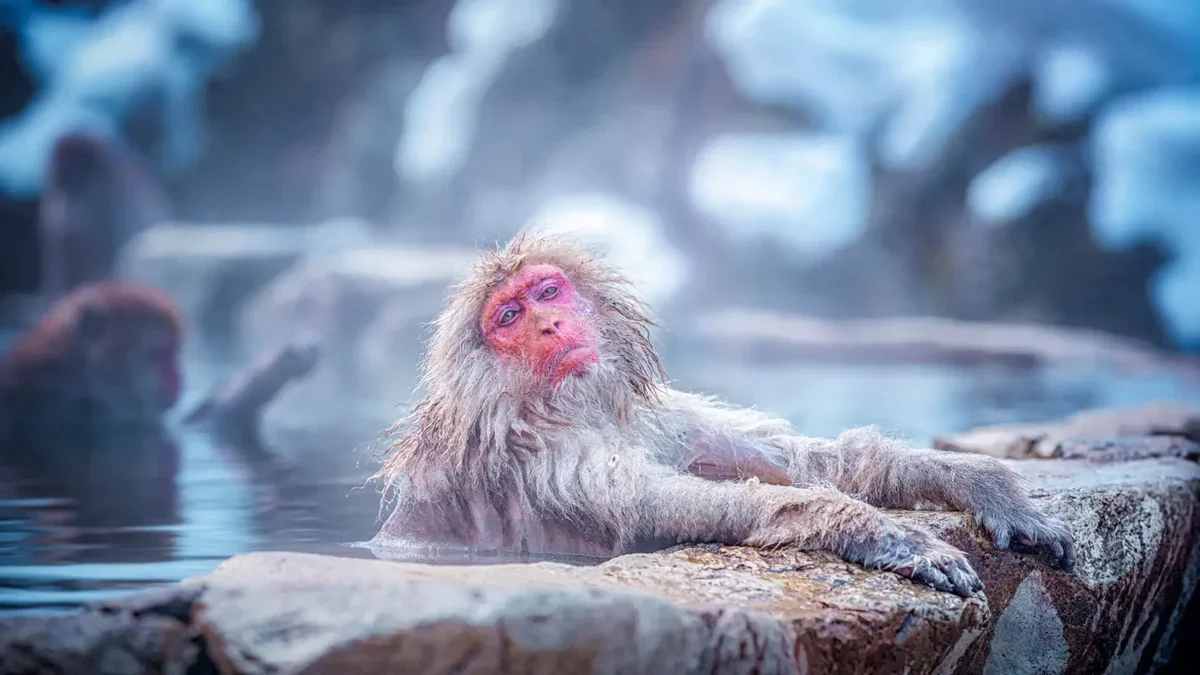
Hot spring bathing represents a fascinating behavior among nonhuman primates, as noted by first author Abdullah Langgeng. His research team sought to explore whether these regular soaks in hot springs might influence the parasites and microorganisms inhabiting the snow monkeys.
Examining Parasites and Gut Microbiome
To investigate this, researchers visited Jigokudani Snow Monkey Park in Nagano prefecture. Over two winters, they observed a group of female macaques, comparing those that frequently indulged in hot springs with those that rarely did. By combining behavioral observations with parasite examinations and gut microbiome sequencing, the team aimed to assess how bathing might impact the macaque holobiont--the integrated system of the animal and its associated microbes and parasites.
The results revealed that time spent in hot springs subtly alters the monkeys' interactions with parasites and gut microbes. Monkeys that enjoyed warm baths exhibited different patterns of lice on their bodies and variations in specific gut bacteria. This suggests that soaking in hot water may affect lice behavior, potentially influencing where they lay their eggs.
Microbial Changes Without Increased Infection Risk
Researchers also observed slight variations in the gut microbiome. While the overall diversity of gut bacteria remained similar between bathing and non-bathing monkeys, certain bacterial genera were more prevalent in those that avoided the hot springs. Notably, sharing the pools did not elevate the risk of intestinal parasites, as bathing macaques showed no increase in infection rates or severity.
These findings collectively indicate that behavior significantly impacts the animal holobiont and plays a crucial role in health. The study underscores the intricate relationship between behavior and health in wild animals, revealing that bathing can modify some interactions between monkeys and their resident organisms while leaving others unchanged.
"Behavior is often seen as a response to environmental factors," Langgeng remarks, "but our findings indicate that this behavior not only aids in thermoregulation or stress relief but also influences how macaques engage with parasites and microbes that reside within them."
Implications for Animal and Human Health
This research marks one of the first efforts to link a natural behavior in wild primates with changes in both ectoparasites and the gut microbiome. By demonstrating that behavior can selectively shape components of the holobiont, the study provides insights into the evolution of health-related behaviors and the variability of microbiomes in social animals.
Moreover, the findings suggest parallels with human health, indicating that our bathing habits may also influence microbial exposure. This challenges the notion that shared water sources inherently increase disease risk, particularly in natural settings.