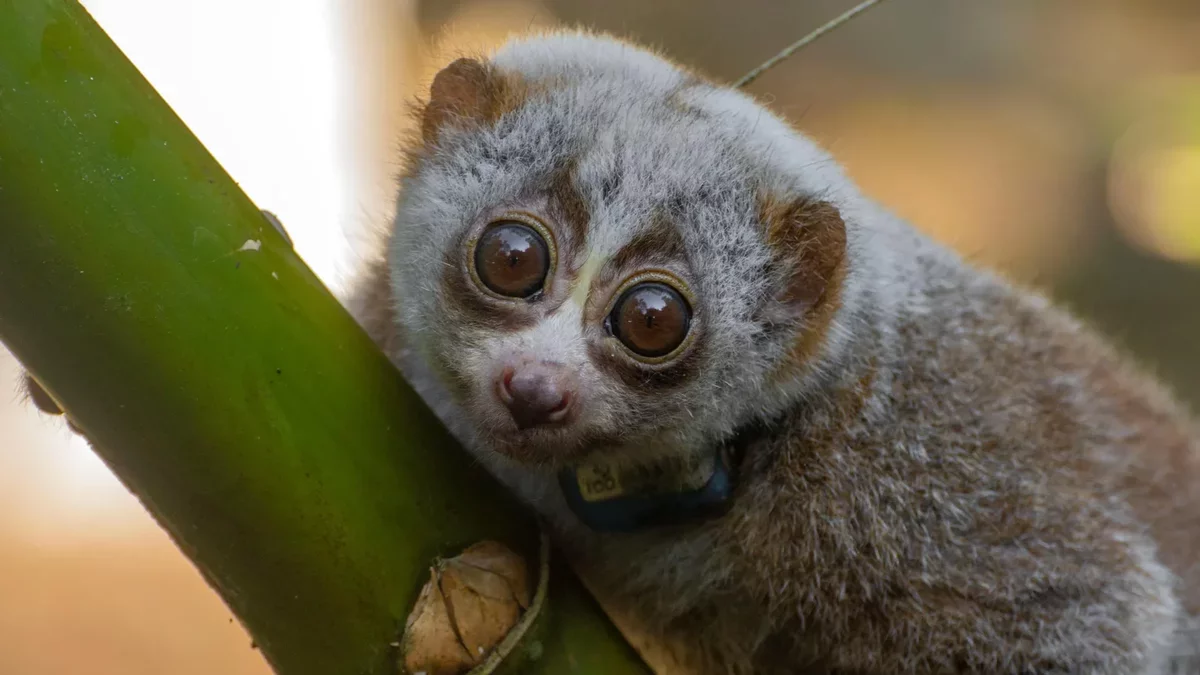
Recent research published in the journal Global Ecology and Conservation sheds light on the complexities surrounding the release of Bengal slow lorises (Nycticebus bengalensis) into the wild. Conducted by Professor Anna Nekaris OBE from Anglia Ruskin University, in collaboration with Plumploris e.V. and the University of Western Australia, the study highlights the challenges faced by these primates post-release in Bangladesh.
The Plight of Slow Lorises
With their distinctive large eyes and gentle demeanor, slow lorises have become targets for the illegal pet trade, making them one of the most trafficked primate species globally. Their conservation status is dire, as all species are classified as Critically Endangered, Endangered, or Vulnerable by the International Union for Conservation of Nature. As part of conservation initiatives, many slow lorises are rescued and subsequently released to bolster wild populations.
Survival Rates After Release
However, the findings from this study indicate that such release efforts can lead to unforeseen consequences. Researchers monitored nine Bengal slow lorises fitted with radio collars after their release into a national park known for previous wildlife rehabilitation efforts. Alarmingly, only two of the nine survived, with three succumbing within ten days and four more within six months. Analysis of the recovered bodies revealed that territorial disputes with resident slow lorises were the likely cause of death.
Understanding Territorial Behavior
Slow lorises are inherently territorial and possess unique venomous bites, making their interactions with other lorises potentially lethal. The study found that those kept in captivity for extended periods had shorter survival post-release. Interestingly, the two surviving lorises roamed larger territories, suggesting that avoiding established populations may be key to their survival.
Reevaluating Wildlife Release Strategies
While larger animals like big cats often receive extensive monitoring post-release, smaller species like slow lorises frequently lack such oversight, leaving their outcomes uncertain. The research emphasizes the necessity for meticulous planning in wildlife release programs. Proper assessment of the release site, the condition of each animal, and habitat suitability are crucial for enhancing survival rates.
Professor Nekaris stressed the importance of understanding the behavior of slow lorises and the dynamics of the resident populations at release sites. She noted that the assumption that releasing rescued animals is always beneficial can lead to unintended harm, particularly for species with strong territorial instincts.
Lead author Hassan Al-Razi highlighted the growing trend of rescue and release practices in Bangladesh but cautioned against the logistical convenience often prioritized over ecological appropriateness. He warned that many forests may have become unsuitable due to overcrowding from rescued animals, affecting various species beyond just the Bengal slow loris.